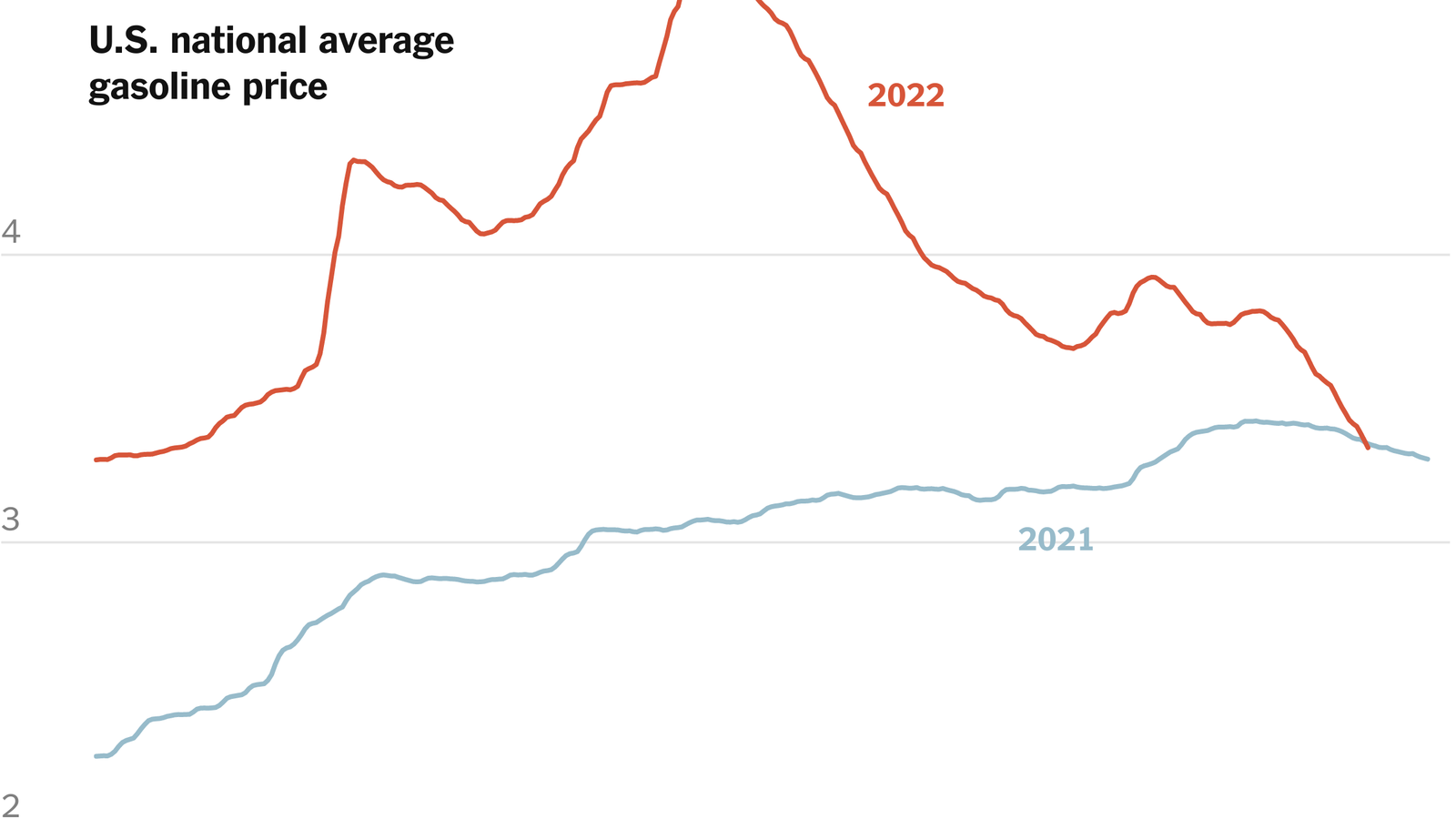
The continuous rise in gas prices represents a double blow for drivers who depend on their personal vehicles for work. This increase has exacerbated the financial burdens on these drivers, negatively affecting their ability to meet daily needs.
According to reports, gas prices have seen a notable increase in recent months, leading to significantly higher commuting costs. This situation places drivers in a difficult position, as they must confront rising expenses without effective alternative options.
Event Details
Data indicates that gas prices have risen by as much as 20% in some areas, further increasing the financial strain on drivers. Many drivers have noted that this increase means they are forced to reduce the distances they drive or even consider changing jobs.
This price hike is attributed to several factors, including increased fuel demand following the easing of lockdown restrictions related to the COVID-19 pandemic, as well as disruptions in global supply chains. Additionally, geopolitical tensions in certain regions of the world play a role in driving up oil prices, which in turn affects gas prices.
Background & Context
Historically, gas prices have experienced significant fluctuations, influenced by various economic and political factors. In recent years, there have been periods of relative price stability, but global crises such as the COVID-19 pandemic and trade wars between countries have led to price instability.
In recent years, reliance on personal vehicles for commuting has become common, especially in countries lacking effective public transportation systems. However, rising fuel prices threaten this lifestyle, placing drivers in a challenging position.
Impact & Consequences
The increase in gas prices affects the economy as a whole, contributing to higher transportation and shipping costs, which leads to rising prices for goods and services. This situation negatively impacts consumers, who find themselves forced to pay more for basic necessities.
Moreover, this increase may lead to a decline in economic activity, as some drivers may choose to reduce their travel or seek cheaper alternatives. This can affect many economic sectors, including trade and services.
Regional Significance
In the Arab region, where many rely on personal vehicles for transportation, rising gas prices pose a significant challenge. Numerous Arab countries are suffering from economic crises, and increased fuel costs could exacerbate these crises.
While oil-producing countries in the region may benefit from rising prices, consumers in these countries will face increasing financial pressures. Therefore, an effective response from governments is required to ensure that the economic situation does not worsen.
In conclusion, the rise in gas prices is a complex issue that requires urgent attention from policymakers. There must be effective strategies to mitigate the impact of this increase on drivers and consumers in general.