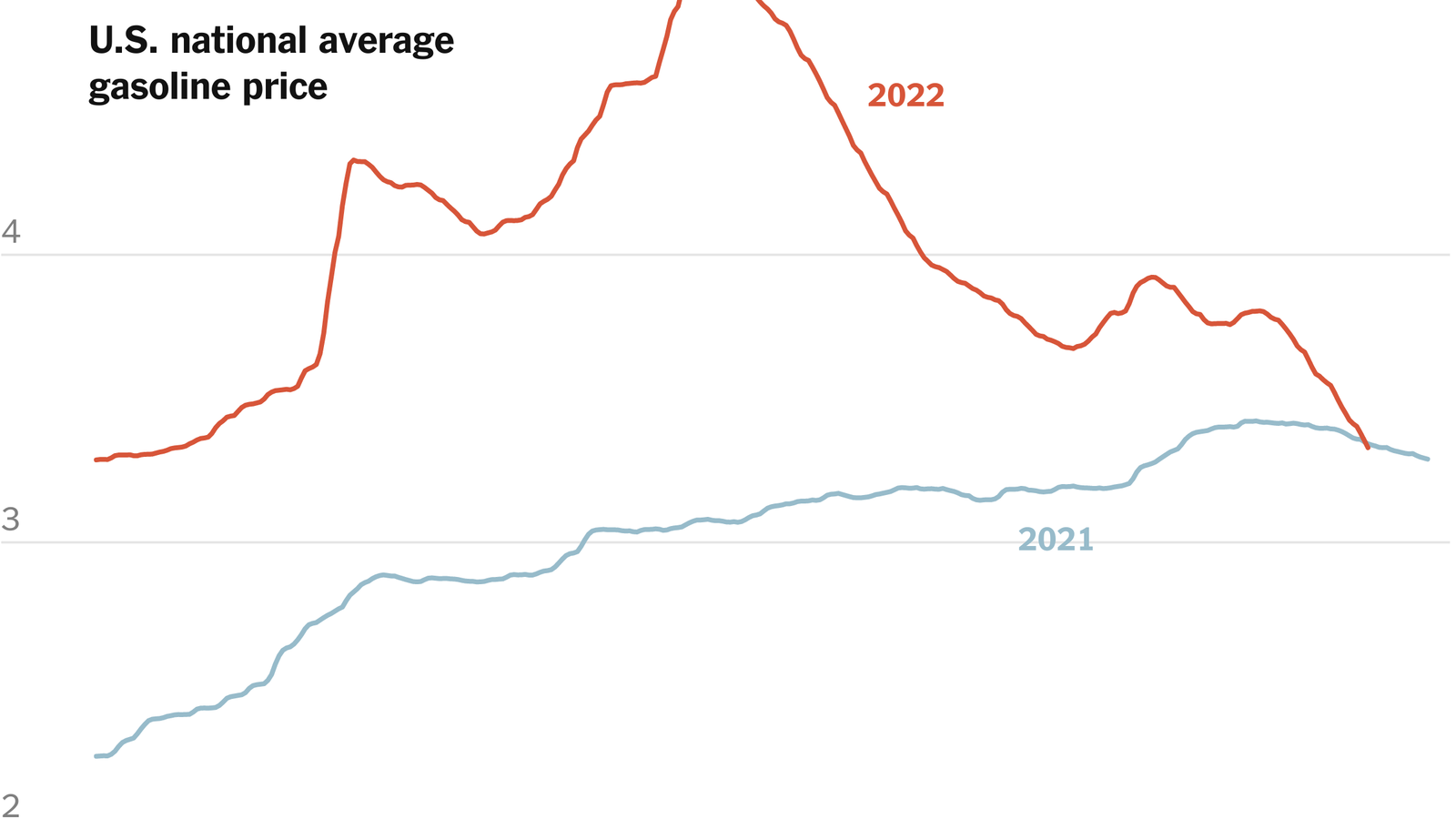
The United States is currently witnessing a notable increase in gas prices, which is increasingly alarming American consumers. Upcoming inflation data expected next week is anticipated to clearly reflect the impact of this increase, potentially affecting the overall U.S. economy.
Gas prices are considered one of the key indicators reflecting the state of the economy, as they directly affect transportation and living costs. Prices have seen a sharp rise in recent weeks, putting additional pressure on American households already facing multiple economic challenges.
Details of the Event
According to reports, gas prices in the United States have risen by more than 10% over the past month, reflecting the impact of recent geopolitical events, including the ongoing conflict in Iran. This increase comes at a time when the U.S. economy is experiencing rising inflationary pressures, complicating the situation further.
It is expected that upcoming inflation data will reflect this increase, with forecasts suggesting that the Consumer Price Index may record a significant rise. This situation could put pressure on the Federal Reserve to make decisions regarding interest rates in the near future.
Background & Context
Historically, gas prices have been significantly affected by geopolitical events, particularly in the Middle East. Armed conflicts, such as the one in Iran, often lead to fluctuations in oil prices, which in turn reflect on gas prices in global markets. In recent years, the United States has seen an increase in reliance on domestic oil, but it still remains affected by global prices.
In 2020, gas prices experienced a sharp decline due to the COVID-19 pandemic, but as the economy recovered, prices began to rise again. However, the current increase is considered among the most severe, raising concerns about its impact on the overall U.S. economy.
Impact & Consequences
The rise in gas prices could lead to increased transportation costs, affecting the prices of other goods and services. This situation may put additional pressure on American households, especially those living in areas that heavily rely on cars for transportation. Furthermore, this increase could impact spending decisions for families, potentially leading to a slowdown in economic growth.
Moreover, the inflationary pressures resulting from rising gas prices could lead to an increase in interest rates by the Federal Reserve, which may affect loans and personal financing. These dynamics could create a state of uncertainty in financial markets, impacting investments and economic decisions.
Regional Significance
Oil and gas prices are critical issues in the Arab region, where many countries rely on oil exports as a primary source of revenue. The rise in gas prices in the United States could affect global oil prices, potentially benefiting oil-producing countries in the region.
However, the increase in prices may also lead to market fluctuations, which could impact economic stability in some countries. Therefore, monitoring developments in gas prices in the United States is crucial for Arab countries, especially those that depend on oil as a primary source of revenue.