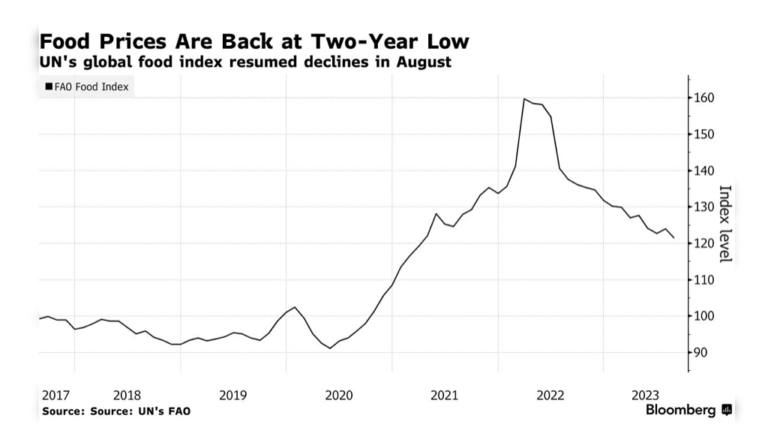
Global markets have witnessed a substantial rise in food prices, with reports indicating that prices have increased by as much as 30% compared to last year. This notable rise occurs amidst challenging economic conditions faced by many countries, raising fears of exacerbating the food security crisis.
The reasons behind this increase are manifold, including geopolitical tensions, climate change, rising shipping costs, and the repercussions of the COVID-19 pandemic, which have all impacted supply chains. Economists have noted that these combined factors have led to heightened demand for essential food items, contributing to an unprecedented rise in prices.
Details of the Situation
According to the Food and Agriculture Organization (FAO), prices for grains, vegetable oils, and meats have seen significant increases, directly affecting the ability of low-income families to secure their nutritional needs. In some countries, wheat prices have risen by 40%, while vegetable oils have recorded increases exceeding 50%.
This situation places additional pressure on governments as they strive to provide support to citizens under these difficult circumstances. Some countries have launched programs to assist low-income households, but challenges remain as prices continue to rise.
Background & Context
Historically, food prices have experienced significant fluctuations, but the current crises are among the most impactful. In recent years, armed conflicts in certain regions have led to the destruction of agricultural infrastructure, adversely affecting local production.
Moreover, climate changes affecting many countries impact crop yields, making it increasingly difficult to predict production levels and leading to supply shortages. These combined factors contribute to the worsening of the global food crisis.
Impact & Consequences
The rise in food prices poses a direct threat to food security, with millions of people facing the risk of hunger and malnutrition. According to United Nations reports, the number of people suffering from food shortages could reach 800 million by the end of the year.
This situation necessitates an urgent response from the international community, as cooperation between countries must be strengthened to secure food supply chains and provide necessary support to the most affected nations. Investments in sustainable agriculture and modern technologies are also required to improve productivity.
Regional Significance
Arab countries face significant challenges amid rising food prices, as many of these nations rely on imports to meet their food needs. This situation increases the vulnerability of food security in the region and affects price stability.
At the same time, some Arab countries are striving to enhance local production by supporting farmers and developing agricultural projects. However, these efforts require further support and investment to be effective in addressing current challenges.
In conclusion, the current situation demands a concerted effort from both international and local communities to tackle the global food crisis, as food security is a fundamental right for every individual and must be ensured worldwide.