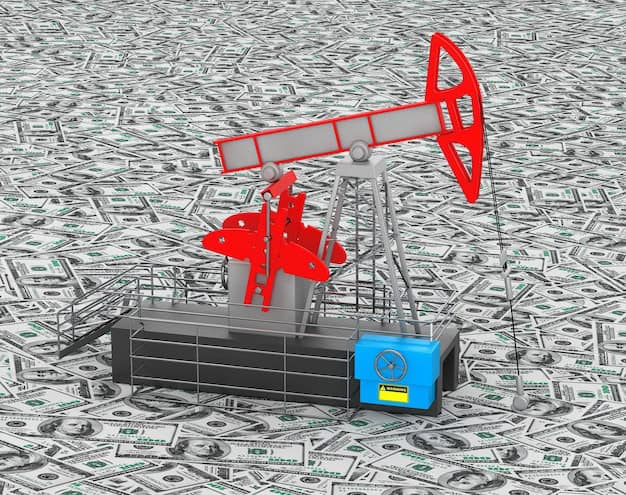
Global financial markets are currently experiencing a notable rise in stock prices, with many major indices reaching new record levels. However, this rapid recovery hides deep concerns about the global economic outlook, as tensions regarding oil prices and their potential impact on economic growth are increasing.
While investors are pleased with the rising stocks, reports indicate that there are growing fears about the sustainability of this recovery. Oil prices have experienced significant fluctuations in recent months, raising questions about the global economy's ability to withstand these conditions.
Event Details
Data indicates that financial markets have seen a remarkable recovery, with stocks rising in many major countries, reflecting optimism among investors. However, this optimism may be misleading, as concerns about oil prices loom large. Rising oil prices can lead to increased production costs, negatively impacting corporate profits and increasing inflationary pressures.
Moreover, any increase in oil prices could lead to reduced economic growth, especially in countries that heavily rely on energy imports. This concern is growing amid current geopolitical tensions, which may affect global oil supplies.
Background & Context
Historically, oil prices have played a pivotal role in shaping the trajectories of the global economy. Over the past decades, oil prices have experienced significant fluctuations due to political crises, wars, and changes in global demand. These factors directly affect financial markets, as any rise in oil prices can lead to increased living costs, impacting consumption and economic growth.
In recent years, we have witnessed a shift in energy sources, with a growing reliance on renewable energy. However, oil still constitutes an essential part of the global energy mix, making its prices central to determining economic trends.
Impact & Consequences
Fluctuations in oil prices could have far-reaching effects on the global economy. If prices continue to rise, we may witness a slowdown in economic growth, potentially leading to increased unemployment rates and reduced investments. This scenario could negatively impact financial markets, as investors may turn towards safer assets.
Furthermore, rising oil prices could increase inflationary pressures, prompting central banks to raise interest rates. This move could affect borrowing and investment, further slowing economic growth.
Regional Significance
In the Arab region, oil is a primary source of government revenue. Therefore, any fluctuations in its prices directly affect local economies. Countries that heavily rely on oil exports may face significant challenges if prices continue to rise.
Additionally, rising oil prices may impact social and political stability in some countries, as they could lead to increased living costs, stirring public discontent. Thus, governments in the region need to take proactive measures to address these challenges.
In conclusion, while the rise in global stocks continues to attract attention, investors and analysts must remain aware of the growing concerns regarding oil prices and their potential impact on the global economy. Understanding these dynamics will be crucial for future planning.