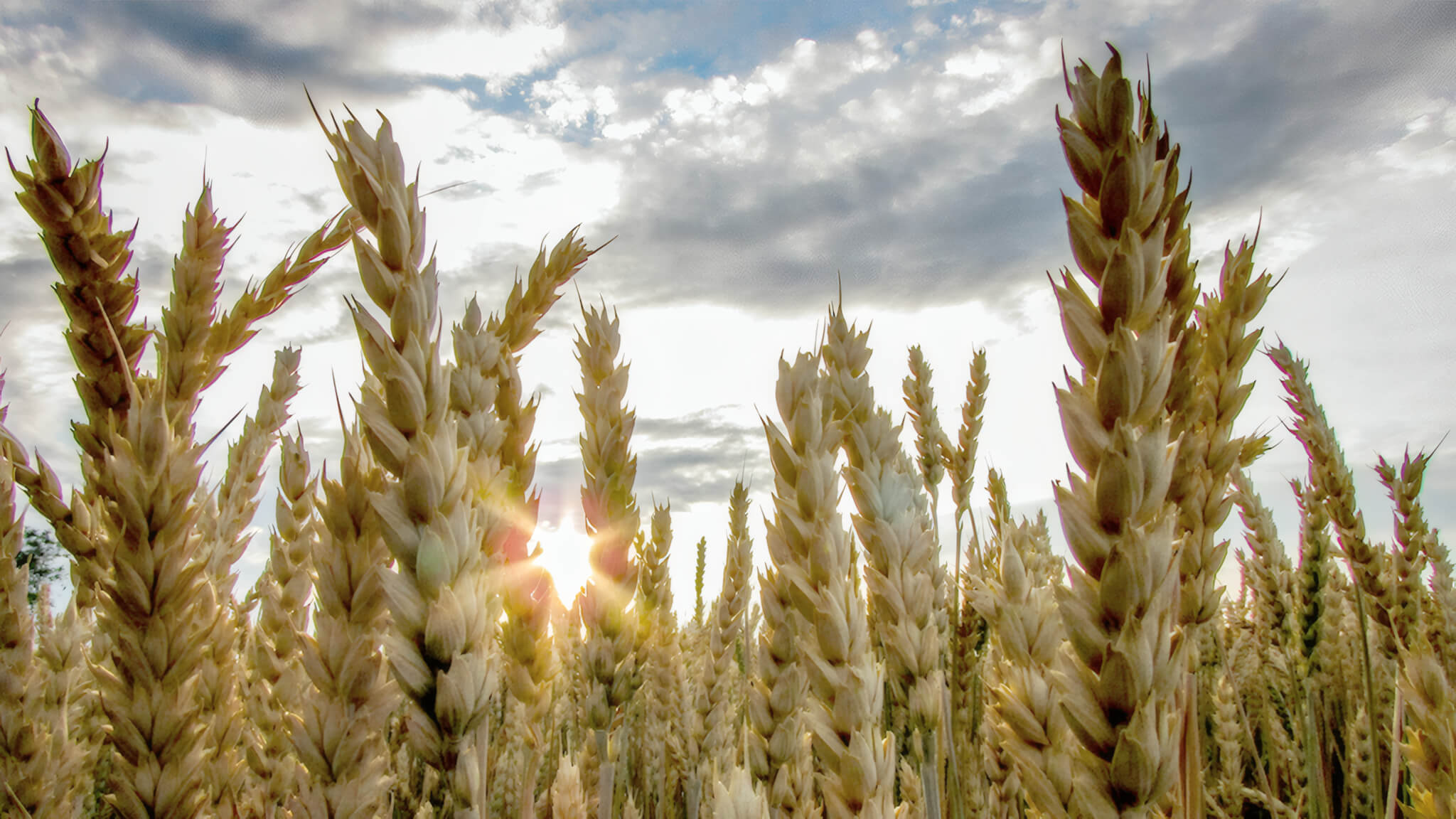
Grain prices in Chicago have seen a significant increase, with data indicating that grain production in the United States fell short of expectations. This decline in agriculture comes at a time when concerns about food production are escalating due to ongoing conflicts in the Middle East, raising global worries about food security.
Reports show that prices have risen sharply, reflecting the impact of geopolitical factors on agricultural markets. This price increase occurs at a sensitive time, as many countries are experiencing food supply shortages due to conflicts and wars.
Details of the Event
According to recent data, grain production in the United States did not meet expected figures, leading to price increases in grain markets. This agricultural decline could have far-reaching effects on the global market, as many countries rely on American grains to meet their food needs.
This price increase coincides with escalating tensions in the Middle East, where conflicts are affecting supply chains and heightening concerns about food availability. Some analysts have pointed out that these conditions could exacerbate food crises in certain countries, necessitating urgent action.
Background & Context
Historically, the United States has been one of the largest grain producers in the world, playing a vital role in securing global food supplies. However, climate change, along with geopolitical conflicts, has significantly impacted agricultural production in recent years.
Additionally, conflicts in the Middle East, such as the disputes in Syria and Yemen, have worsened humanitarian conditions and increased demand for food aid. These crises place additional pressure on global markets, complicating the situation further.
Impact & Consequences
The rise in grain prices is expected to have negative effects on the global economy, impacting food costs in many countries. Developing nations, which heavily rely on food imports, may face greater difficulties in securing their basic needs.
Moreover, rising prices could lead to increased inflation in some countries, affecting citizens' purchasing power. These dynamics could exacerbate social and economic crises in certain regions, calling for a response from governments and the international community.
Regional Significance
For Arab countries, rising grain prices may have direct implications for food security. Many Arab nations depend on imports to meet their food needs, and any price increase could worsen economic and social conditions.
These circumstances require a response from Arab governments, including boosting local production and developing food security strategies. Arab nations must also collaborate to address common challenges and ensure the sustainability of food supplies in the future.
The rise in grain prices due to declining U.S. agriculture and concerns over war in the Middle East highlights the challenges facing global food security. It is essential for countries to take proactive steps to address these challenges and ensure the sustainability of food supplies.