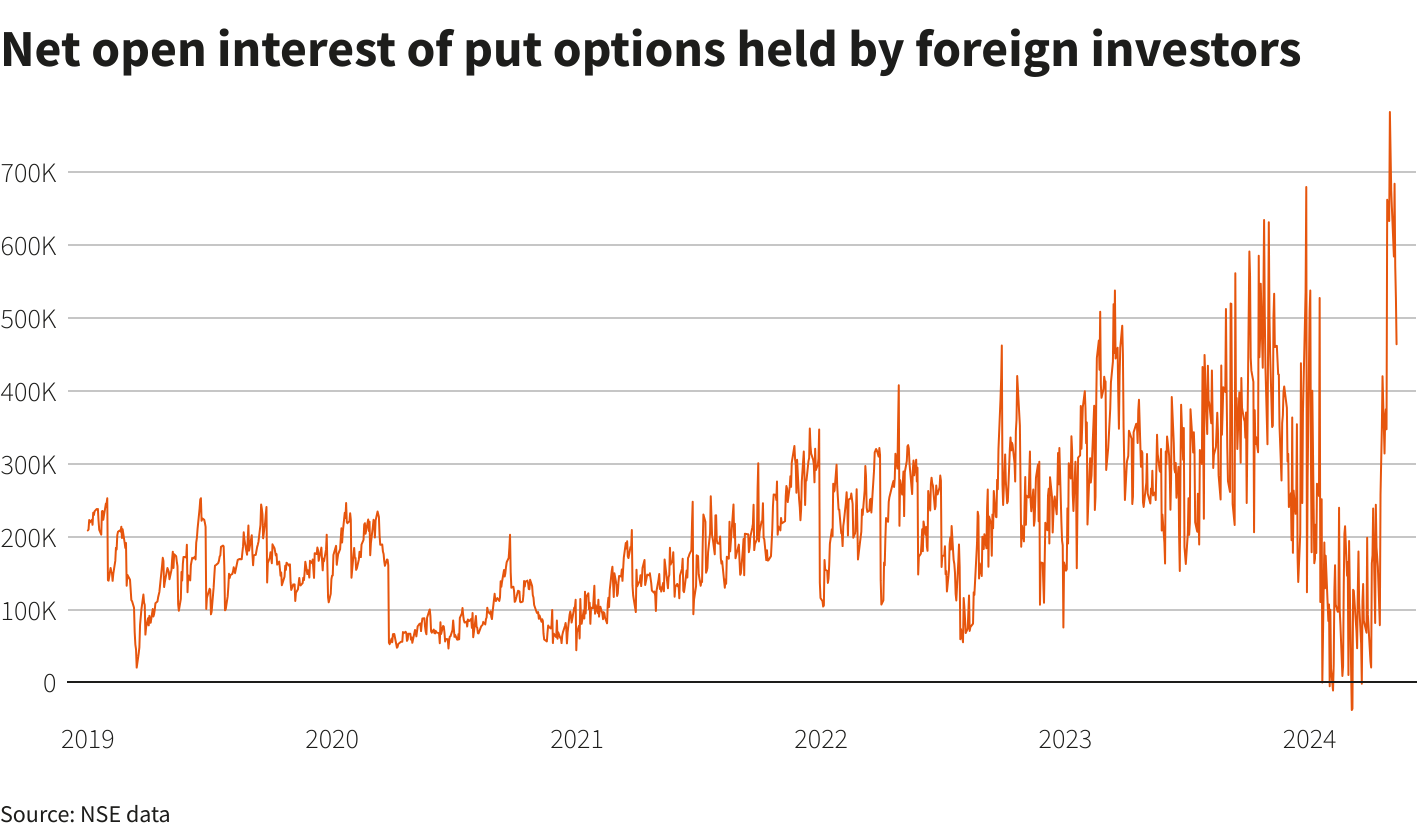
India is currently experiencing significant challenges in attracting foreign direct investment, as the costs of hedging against fluctuations in the rupee have increased, reducing the returns that investors can achieve. These developments come at a sensitive time for the Indian economy, which is striving to boost its growth and attract more foreign capital.
According to economic reports, the rise in hedging costs may lead to a decrease in India's attractiveness to global investors, who are seeking stable and profitable investment environments. Under these circumstances, investors may hesitate to make large investment decisions, which could negatively impact the country's economic growth.
Details of the Situation
The Indian rupee has been experiencing notable fluctuations in its value against the U.S. dollar, forcing investors to take hedging measures to protect their investments. While these measures are important, they come with additional costs that may affect final returns. Consequently, the increase in these costs may make it difficult for India to compete with other markets such as China or South East Asia.
Data indicates that hedging costs have risen significantly in recent months, reflecting growing concerns about the stability of the rupee. Together, these factors could lead to a decline in foreign direct investment flows, which is vital for supporting economic growth in India.
Background & Context
Historically, India has been one of the preferred destinations for foreign investors, thanks to its large market and diverse investment opportunities. However, the economic and political challenges facing the country, including currency fluctuations, may affect its attractiveness. In recent years, India has made significant efforts to improve the business environment, but current challenges may hinder these efforts.
The current economic conditions in India require a swift and effective response from the government to restore confidence in the market. Economic policies should focus on reducing currency volatility and alleviating burdens on investors, which would help restore India's appeal as an investment hub.
Impact & Consequences
If hedging costs continue to rise, it could lead to a significant decline in foreign investments, negatively impacting economic growth. Indian companies may find it challenging to attract the necessary capital to expand their operations, which affects the long-term competitiveness of the Indian economy.
Moreover, a decline in foreign investments could impact the labor market, as many Indians rely on jobs provided by foreign companies. This situation could lead to increased unemployment rates, adding further pressure on the Indian government.
Regional Significance
India is an important trading partner for many Arab countries, with significant Arab investments in India. If foreign investments in India decline, it could affect economic relations between India and Arab nations. It is crucial for Arab countries to monitor these developments, as they may influence their investment strategies in the region.
In conclusion, the current situation in India requires a prompt response from both the government and investors. Efforts must be made to enhance economic stability and reduce hedging costs to ensure that India remains an attractive investment center.