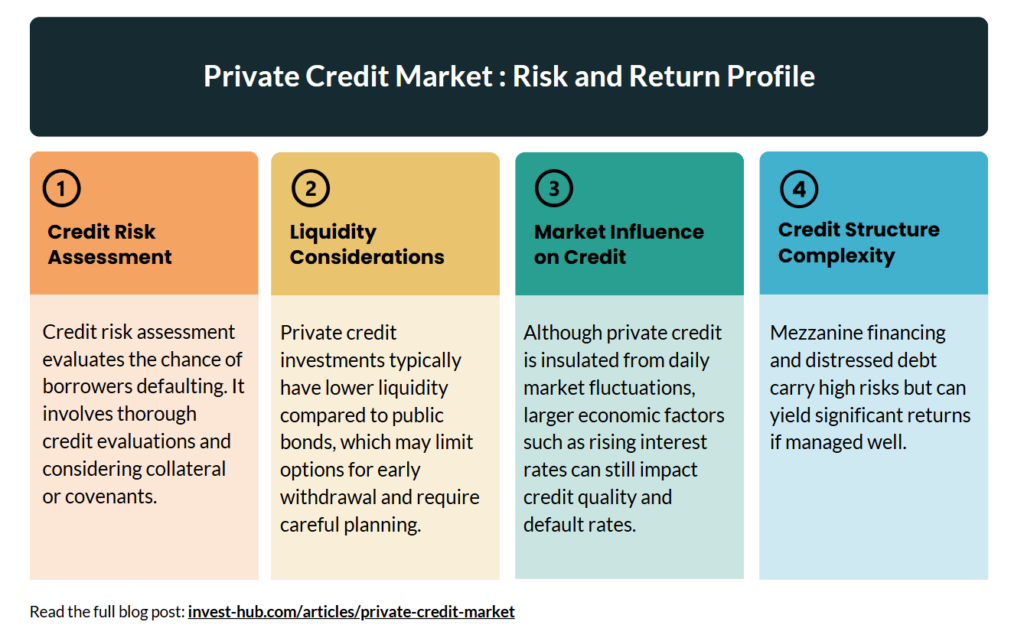
Reports indicate that several factors are structurally increasing interest rates, negatively impacting the private credit market. These changes could exacerbate financial problems in this sector, where investors face a lack of transparency regarding private loans.
Concerns are growing that unclear financial data may conceal significant issues in the private credit market, complicating the investment decision-making process. Additionally, rising interest rates may reduce borrowing capacity, affecting overall economic growth.
Details of the Event
Attention is turning to the private credit market, where there is increasing anxiety about the impact of rising interest rates on this sector. Studies have shown a close correlation between rising interest rates and increased financial costs for companies and investors. Under these circumstances, many investors may find it challenging to secure the necessary funding for their projects.
Moreover, the lack of transparency in financial information complicates investors' ability to accurately assess risks. This situation could exacerbate financial problems, as debts may accumulate without a clear view of repayment capabilities.
Background & Context
Historically, the private credit market has experienced significant fluctuations, especially during economic crises. In recent years, there has been a trend towards increased reliance on private loans as an alternative to traditional financing. However, rising interest rates may alter this trend, diminishing the attractiveness of private loans.
It is noteworthy that many small and medium-sized enterprises heavily rely on funding through private loans, making them vulnerable to the negative impacts of rising interest rates. Under these conditions, these companies may need to reassess their financing strategies.
Impact & Consequences
Increased interest rates could lead to a slowdown in economic growth, as companies will face greater difficulties in obtaining the necessary financing to expand their operations. This could result in reduced investments and, consequently, fewer job opportunities.
Furthermore, rising interest rates may lead to increased default rates, placing additional pressure on financial institutions. If these trends continue, we may witness a decline in confidence in the private credit market, potentially leading to a financial crisis in the future.
Regional Significance
In the Arab region, these developments could have significant impacts on local economies. Many countries rely on foreign and domestic investments that require financing through loans. Rising interest rates may lead to a decline in these investments, negatively affecting economic growth.
Additionally, the lack of transparency in financial information may hinder Arab investors' ability to make informed decisions. Under these circumstances, governments may need to enhance transparency in the private credit market to ensure economic stability.
In light of the current conditions, investors and analysts must closely monitor developments in the private credit market. The current situation requires urgent measures to ensure the stability of this vital sector.