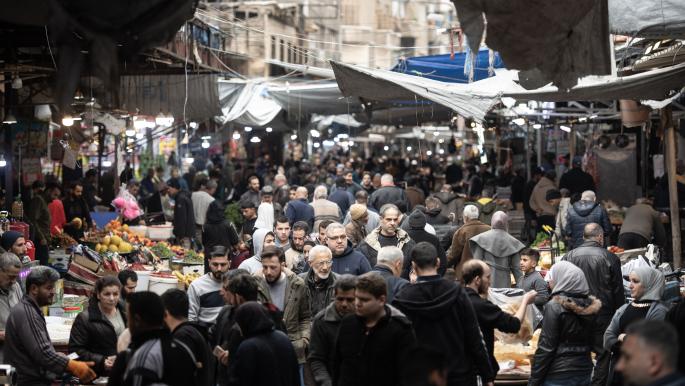
A recent report by IMPACT highlights a rise in living costs in Syria, with the average cost of the food basket reaching $169 in February. This rise comes at a time when the country is suffering from the repercussions of ongoing war, increasing the pressures on Syrian families who face significant difficulties in meeting their basic needs.
Figures indicate that living costs in Syria have seen a noticeable increase, with citizens continuously suffering from rising prices. Data has shown that prices have increased significantly compared to previous years, placing further pressure on families already struggling with poverty and unemployment.
Details of the Situation
According to the report, the food basket, which includes essential items such as bread, rice, oils, and meats, has seen a significant rise in cost, reflecting the deteriorating economic situation in the country. Syrians are experiencing a severe shortage of essential food items, which increases their daily suffering.
Moreover, the successive crises that the country has witnessed, including armed conflict and displacement, have exacerbated the economic conditions. The report indicates that 90% of the population lives below the poverty line, rendering them unable to meet their basic needs.
Background & Context
Since the outbreak of the conflict in Syria in 2011, the country has experienced a sharp economic decline, with the Syrian currency losing significant value, leading to unprecedented price increases. Economic sanctions imposed on the country have further aggravated the situation, making essential goods scarce and hard to obtain.
Concerns are growing that the continuation of war and internal conflicts may lead to further price increases, threatening to heighten the suffering of citizens. Many experts have pointed out that political and economic solutions are the only way out of this ongoing crisis.
Impact & Consequences
The continuous rise in living costs affects all aspects of daily life for Syrians, as many find it difficult to secure food and medicine. Additionally, rising prices negatively impact public health, with many suffering from malnutrition due to their inability to purchase necessary food items.
Protests and demands for improved economic conditions are increasing, with citizens calling on the government to take responsibility and work towards providing basic needs. However, the complex political situation in the country makes it difficult to achieve any tangible progress in this direction.
Regional Significance
The economic conditions in Syria serve as an indicator of the challenges faced by many other Arab countries, where some are suffering from similar crises due to conflicts and wars. The rising living costs in Syria could affect regional stability, potentially leading to an influx of more refugees into neighboring countries.
The humanitarian crises in Syria require urgent international response, as millions of Syrians need humanitarian assistance. The current situation necessitates concerted international and local efforts to alleviate the suffering of the Syrian people and improve their living conditions.
In conclusion, the economic situation in Syria remains concerning, requiring a comprehensive approach to address the root causes of the crisis. Improving economic and social conditions is the only way to achieve stability and prosperity in the country.