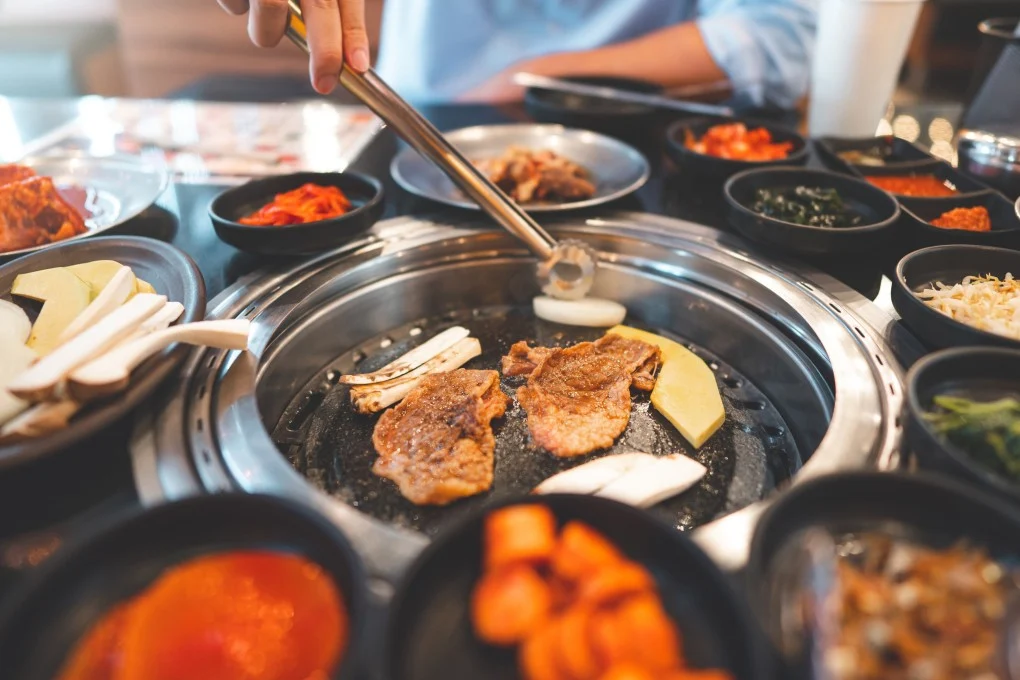
Korean restaurants, especially those offering barbecue dishes, are experiencing increasing economic pressures due to rising food prices. In the heart of Seoul, Kim Bong-hwan, owner of a barbecue restaurant in the Myeong-dong area, expresses his growing concern as meat prices have jumped from around 28,000 won (approximately $18) per kilogram to over 40,000 won in recent weeks.
Kim states, "Everything is going up – meat, pork, eggs, vegetables, and even disposable items like plastic bags and containers." He adds that prices have increased by between 20 to 30 percent in a very short period.
Details of the Situation
Kim Bong-hwan is one of many restaurant owners struggling to maintain their businesses under these challenging economic conditions. Having worked in this field for over 15 years, Kim points out that raising prices is no longer an option, as customers may hesitate to pay more.
Pressure is mounting on restaurants across South Korea, where operating costs are significantly affected by rising food prices. Many restaurant owners report being forced to reduce their menus or change the ingredients used in their dishes.
Background & Context
Historically, South Korea has relied heavily on meat imports, making it vulnerable to fluctuations in global prices. The global markets have seen a notable rise in oil prices, which has in turn impacted transportation and production costs. This price surge comes at a sensitive time as the country is recovering from the effects of the COVID-19 pandemic.
The restaurant industry is a vital part of the Korean economy, providing jobs for many individuals and contributing to the country's rich food culture. However, the current challenges threaten the sustainability of this industry.
Impact & Consequences
The effects of rising prices extend beyond restaurants, potentially leading to increased unemployment rates in the sector. A decline in patronage at restaurants could negatively impact the local economy, reflecting on overall economic growth.
Moreover, rising prices may lead to changes in consumer behavior, as they might opt for cheaper food options, which could affect nutritional quality. This shift in consumer behavior could have long-term implications for public health.
Regional Significance
In the Arab region, many countries are also witnessing rising food prices, raising concerns about food security. The experiences of South Korea could serve as an important lesson for Arab nations on how to handle economic crises and their impact on vital sectors like restaurants.
In conclusion, the current situation in South Korea illustrates how global economic factors can affect local businesses, necessitating a swift and effective response from governments and business owners to maintain economic sustainability.