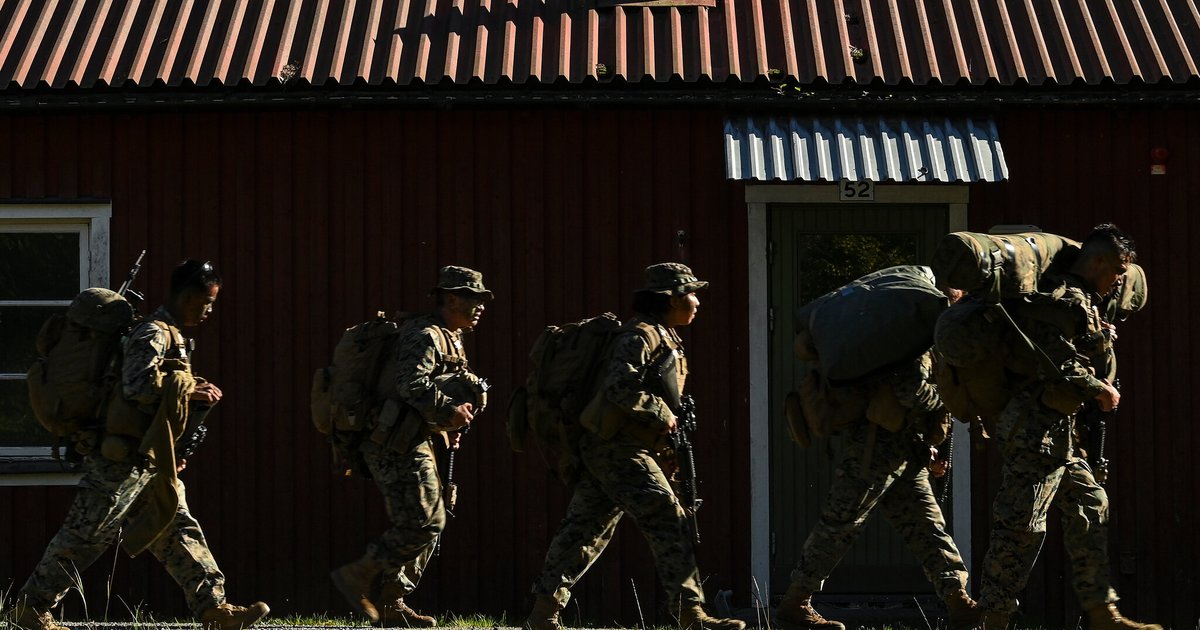
An esteemed economic expert has revealed that the ongoing rise in military spending is exerting increasing pressure on the budgets of major nations, raising concerns about its impact on social investments and economic development. He noted that this phenomenon coincides with global economic challenges, such as inflation and rising energy prices, complicating the economic landscape.
In recent years, many major countries, including the United States, Russia, and China, have seen a significant increase in their military budgets. This increase is not merely a reaction to geopolitical tensions but also reflects a long-term strategy to enhance defense and technological capabilities.
Details of the Situation
According to reports, global military spending has reached record levels, with military budgets in some countries surpassing the threshold of $2 trillion. This massive expenditure raises questions about how it affects other sectors, such as education and health, which require more funding amid current crises.
The economic expert pointed out that this trend could exacerbate the gap between rich and poor nations, as countries with large military budgets may continue to invest their resources in defense while other nations struggle with social funding shortages.
Context and Background
Historically, military spending has been part of major nations' strategies to enhance their power and influence. However, the current context necessitates a reevaluation of these strategies in light of global economic crises. Challenges such as the COVID-19 pandemic and its economic repercussions, along with climate change, require greater investments in sustainable development sectors.
In recent years, we have witnessed a shift in economic priorities, with some countries beginning to redirect their budgets towards social sectors. However, with ongoing geopolitical tensions, military spending seems likely to remain a top priority.
Consequences and Impact
The implications of this increasing military expenditure could be far-reaching. It may lead to a reduction in investments in infrastructure and public services, adversely affecting citizens' quality of life. Additionally, a focus on military spending could heighten tensions between nations, increasing the likelihood of armed conflicts.
Moreover, this trend may impact financial markets, as investors might become more cautious amid political and economic instability. Consequently, countries prioritizing military spending may find themselves in a difficult position regarding attracting foreign investments.
Impact on the Arab Region
In the Arab region, military spending is a crucial part of many nations' strategies. As regional tensions escalate, these countries may feel compelled to increase their military budgets, which could affect economic and social development.
Arab nations face multiple challenges, including unemployment and poverty, necessitating greater investments in social sectors. However, with the continued focus on military spending, these challenges may worsen, impacting regional stability.
In conclusion, the current situation requires a comprehensive reassessment of economic and military policies. Major nations must balance their security needs with sustainable development requirements to ensure a better future for all.