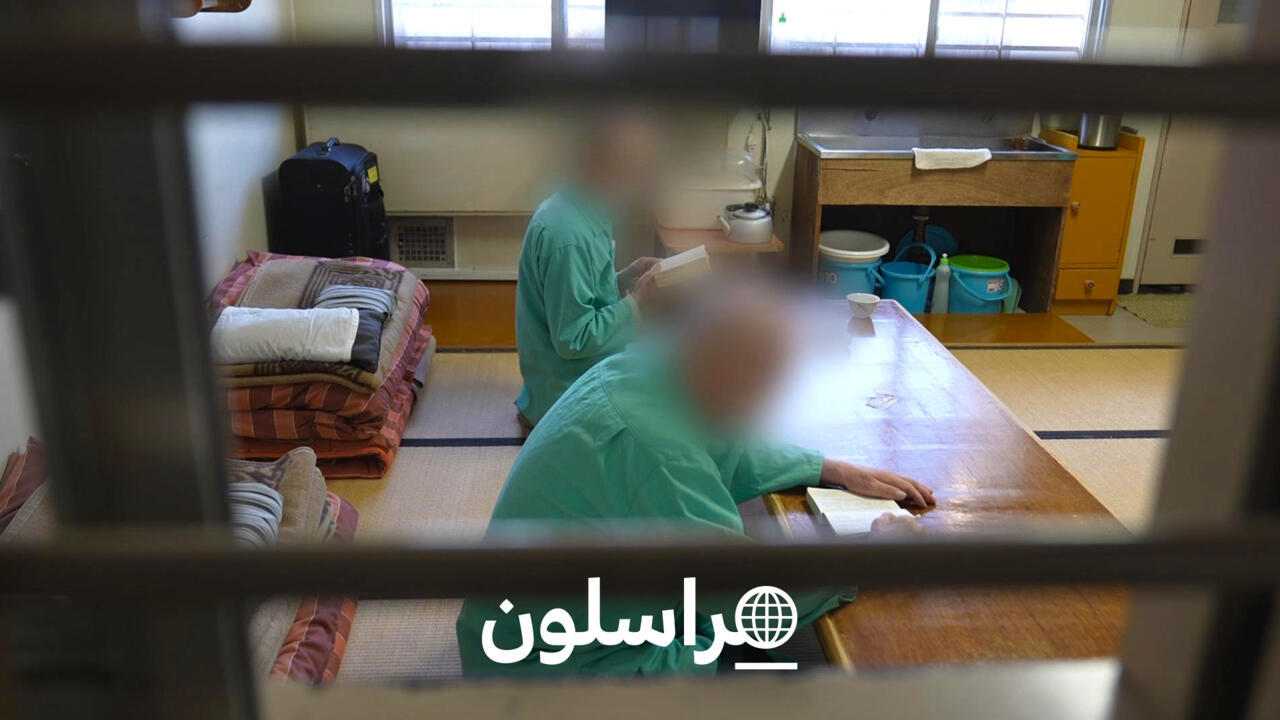
Reports indicate that the number of elderly prisoners in Japan has quadrupled over the past two decades, with 20% of seniors aged over 65 living below the poverty line. Under these harsh conditions, some of these elderly individuals resort to committing minor crimes, such as theft, to obtain shelter and food in prisons, where they find better living conditions than those they face outside.
This phenomenon is one of the social challenges facing Japan, where many seniors suffer from isolation and poverty. As the number of elderly individuals in Japanese society increases, there is an urgent need to find effective solutions to help them live with dignity.
Event Details
In recent years, statistics have shown a significant rise in the number of elderly individuals serving sentences in prisons. In 2000, the number of elderly prisoners did not exceed 5000, while today it has surpassed 20000 seniors. These figures reflect a real crisis in Japanese society, where the elderly face increasing economic and social challenges.
Many of these elderly individuals live in harsh conditions, lacking the social support and financial resources necessary to meet their basic needs. In some cases, prison is the only available option for them to receive healthcare and food.
Background & Context
Japan is considered one of the fastest aging countries in the world, but it faces significant challenges related to its aging population. According to projections, seniors will make up more than 30% of the total population by 2030. These demographic changes impact the economy and social system, necessitating urgent action to address this phenomenon.
Historically, Japan has been viewed as a model for social welfare; however, with increasing economic pressures, the government has begun to cut back on some support programs, negatively affecting the lives of the elderly. This reduction in social support has exacerbated the issue of poverty among seniors.
Impact & Consequences
The implications of this phenomenon extend beyond individual dimensions, affecting society as a whole. With the increasing number of elderly prisoners, the judicial system faces new challenges regarding how to deal with this demographic. Additionally, this situation raises ethical and social issues about how to provide care and support for the elderly.
Moreover, the rising number of elderly prisoners may lead to increased pressure on the prison system, prompting the need to consider alternative solutions, such as rehabilitation programs and social support, which could help reduce the number of seniors ending up in prisons.
Regional Significance
This phenomenon in Japan serves as an important lesson for Arab countries, which also face increasing challenges related to aging populations. With the growing number of elderly individuals in Arab nations, there must be effective strategies to ensure care and support for seniors, away from harsh solutions like imprisonment.
Arab countries can benefit from Japan's experiences in developing effective social support programs that ensure the dignity of the elderly and help them live in peace and security. Investing in social care for the elderly is not only a humanitarian duty but also an economic and social necessity to maintain community stability.