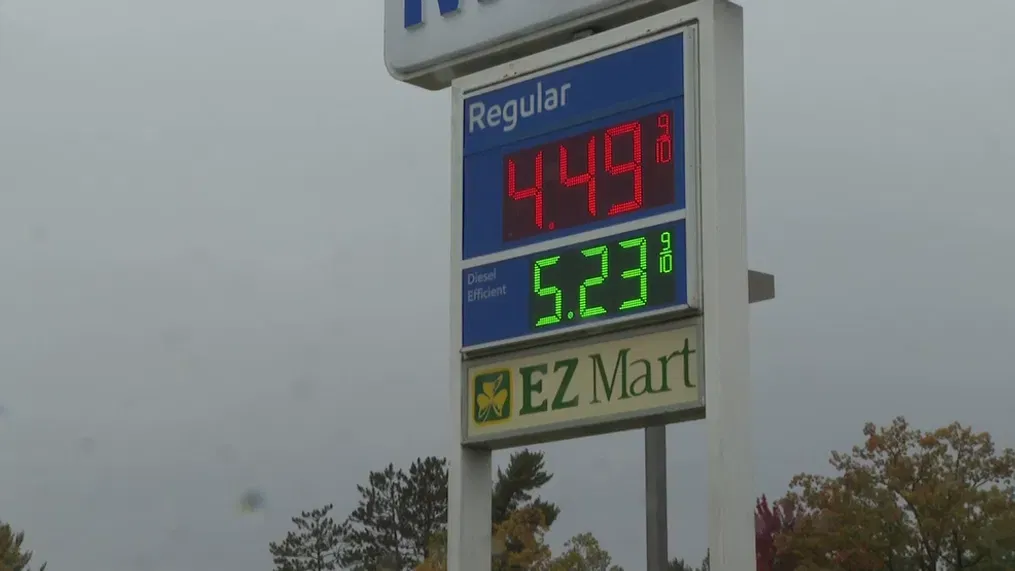
Oil and gas prices have seen a significant increase in global markets, raising concerns among investors and analysts about the implications for the global economy. This surge comes amid rising demand and ongoing geopolitical tensions in key production areas. According to reports, the price of a barrel of oil has surpassed $90, marking its highest level in several years.
This price increase occurs at a time when the global economy is still grappling with the repercussions of the COVID-19 pandemic, as countries strive to recover from its effects. Additionally, the rising demand for energy due to economic recovery in some countries, coupled with production restrictions imposed by OPEC, has contributed to pushing prices higher.
Details of the Event
According to market data, crude oil prices have risen by as much as 5% in recent weeks, sparking fears about its impact on inflation and the prices of essential goods. Natural gas prices have also seen a notable increase, reaching record levels in some European markets.
This price surge comes at a sensitive time, as many countries are facing rising living costs. Economists have pointed out that the continuation of these trends could lead to a slowdown in economic growth in some nations, particularly those heavily reliant on energy imports.
Background & Context
Historically, oil and gas markets have experienced significant fluctuations due to geopolitical tensions, such as conflicts in the Middle East and Africa. Changes in production policies by producing countries, such as Saudi Arabia and Russia, also play a crucial role in determining energy prices. In recent years, tensions between Russia and Ukraine have heightened concerns about gas supplies to Europe, contributing to price increases.
Moreover, the global shift towards renewable energy and the move away from fossil fuels may also impact production strategies and prices in the future. However, demand for oil and gas remains high in many markets, making it difficult to predict future trends.
Impact & Consequences
High oil and gas prices affect numerous economic sectors, including transportation and industry. Rising energy costs can lead to increased prices for goods and services, putting pressure on consumers and driving up inflation rates. Companies that rely on energy for their operations may face challenges in maintaining profit margins.
At the same time, some oil-producing countries may benefit from rising prices, as this could lead to increased government revenues. However, excessive reliance on oil revenues can be risky, especially amid global shifts towards clean energy.
Regional Significance
Arab oil-producing countries, such as Saudi Arabia and the UAE, are among the primary beneficiaries of rising oil prices. This increase can enhance their economies and boost investments in infrastructure and development projects. However, these countries must be cautious about relying on oil revenues, particularly in light of the global trend towards renewable energy.
Conversely, oil-importing countries, such as Egypt and Jordan, may face significant challenges due to rising prices, which could impact their public budgets and increase economic pressures on citizens. Therefore, it is crucial for these countries to adopt strategies to mitigate the effects of rising energy prices.
In conclusion, the rise in oil and gas prices remains a vital issue affecting the global economy, and countries must adapt to these changes to ensure sustainable economic growth.