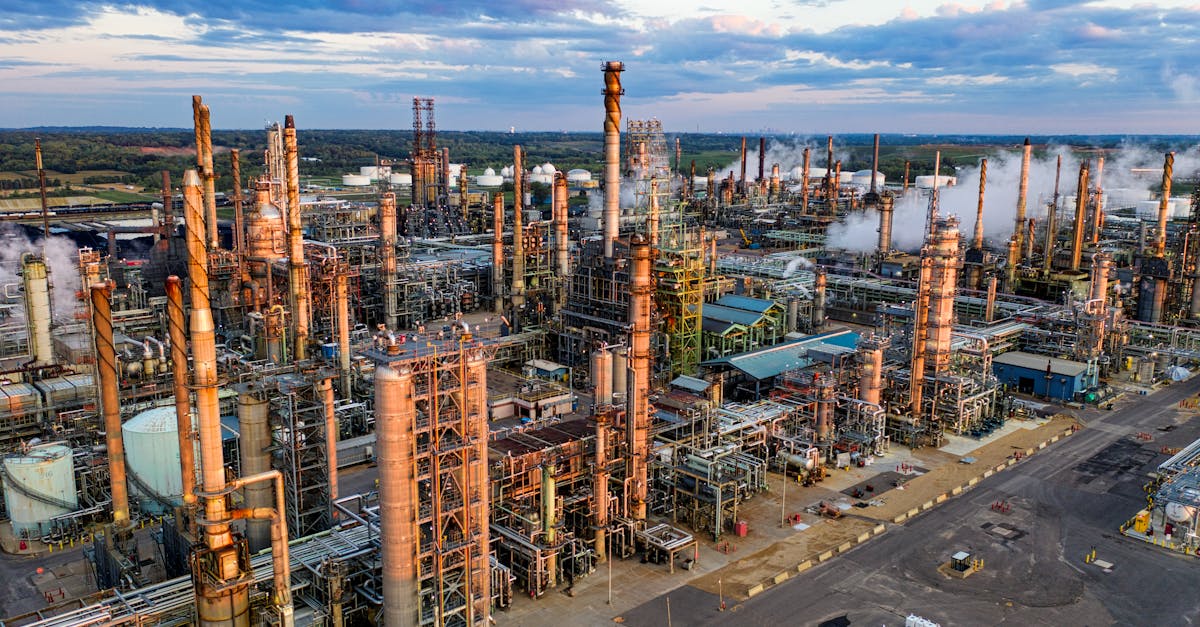
The recent surge in oil prices, surpassing $114 per barrel, has sparked growing concerns about rising fuel costs and airfares. This increase comes at a sensitive time as the global economy grapples with the repercussions of the energy crisis, putting additional pressure on both consumers and businesses.
Expectations are mounting that this rise will lead to increased fuel prices, which will directly impact travel and transportation costs. Many analysts have pointed out that this increase could result in higher airfares, burdening travelers amid the current economic conditions.
Details of the Event
This increase in oil prices is attributed to a combination of factors, including geopolitical disruptions in key production areas and rising global energy demand. Additionally, declining inventories in some major oil-producing countries have exacerbated the situation.
Some reports predict that this upward trend will continue, potentially leading to sustained increases in fuel prices. Economists have warned that this rise could have negative effects on economic growth, particularly in countries that heavily rely on oil for their economies.
Background & Context
Oil prices have experienced significant fluctuations over the years, influenced by various factors such as political crises, natural disasters, and changes in global demand. In recent years, some oil-producing countries have attempted to stabilize prices, but challenges remain.
Historically, oil prices have played a crucial role in shaping global economic trends. During periods of increase, financial markets often react negatively, leading to rising inflation and declining investments.
Impact & Consequences
The rise in oil prices could have negative repercussions for the global economy, as it may lead to increased production costs, which will reflect on the prices of goods and services. Furthermore, rising fuel prices could diminish consumers' purchasing power, affecting overall spending.
Some studies predict that this increase will slow economic growth in certain countries, especially those that heavily depend on oil imports. Small and medium-sized enterprises may face greater challenges amid rising costs.
Regional Significance
In the Arab region, oil is one of the main sources of revenue. Therefore, rising prices may have varying impacts. While oil-producing countries may benefit from increased revenues, importing countries could face greater economic challenges.
It is crucial for Arab nations to closely monitor these developments, as any changes in oil prices could affect the stability of their economies. Additionally, cooperation between producing and consuming countries may be essential to achieve market stability.
In light of the current economic conditions, the rise in oil prices remains a significant concern for both consumers and businesses. It is essential for governments to adopt effective strategies to address these challenges and ensure market stability.