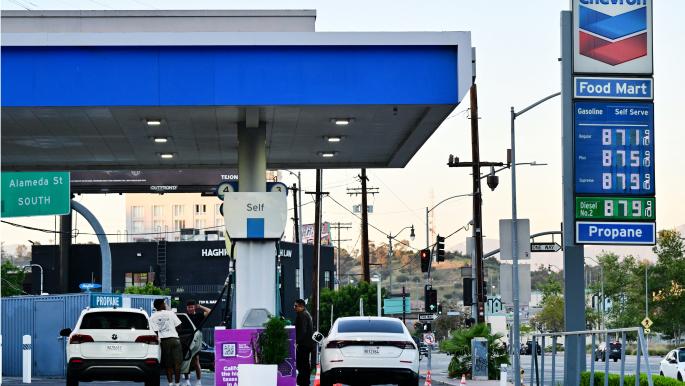
Energy markets are undergoing significant changes due to escalating tensions in the Gulf region, leading to a rise in oil prices. These developments enhance the prospects for a recovery in profits for major energy companies in the coming years.
Concerns are growing regarding the geopolitical situation's impact on the stability of oil markets, as tensions in the region directly contribute to price increases. Recent reports indicate that oil prices have risen significantly, positively reflecting on the profits of major companies in this sector.
Details of the Event
According to reports, oil prices have seen a notable increase over the past few weeks, surpassing the $90 per barrel mark. This rise comes amid escalating tensions among oil-producing countries, raising concerns about supply stability. Major companies in the energy sector, such as Saudi Aramco and Shell, have begun adjusting their financial forecasts to align with these market changes.
Forecasts also suggest that this price increase may continue until 2026, enhancing the opportunities for companies to achieve substantial profits. However, these expectations heavily depend on the continuation of tensions in the region and the market's response to them.
Background & Context
Historically, oil markets have experienced significant fluctuations due to political and economic events in the Gulf region. Over the years, political crises have directly impacted oil prices, leading to either increases or decreases. In recent years, several notable events, such as sanctions on Iran and tensions in Iraq and Syria, have contributed to increased market instability.
The Gulf region is one of the most important oil-producing areas in the world, significantly contributing to global supplies. Therefore, any changes in this region directly affect oil prices and global economies.
Impact & Consequences
This increase in oil prices is expected to have multiple effects on the global economy. Major companies in the energy sector will benefit from this increase, potentially leading to increased investments in this sector. However, oil-consuming countries may face new challenges due to rising prices, which could impact economic growth.
Moreover, this price increase may exert additional pressure on governments in consuming countries, as they will need to take measures to mitigate the effects of rising energy prices on citizens.
Regional Significance
For Arab oil-producing countries, rising prices represent an opportunity to enhance revenues and increase investments in development projects. Countries like Saudi Arabia and the United Arab Emirates could significantly benefit from this increase, potentially bolstering their economic stability.
Conversely, Arab oil-consuming countries may face new challenges due to rising prices, which could affect living standards and local economies. Therefore, balancing production and consumption will be vital for maintaining economic stability in the region.
In conclusion, forecasts indicate that energy markets will continue to experience ongoing fluctuations in the near future, necessitating companies and countries to adopt effective strategies to adapt to these changes.