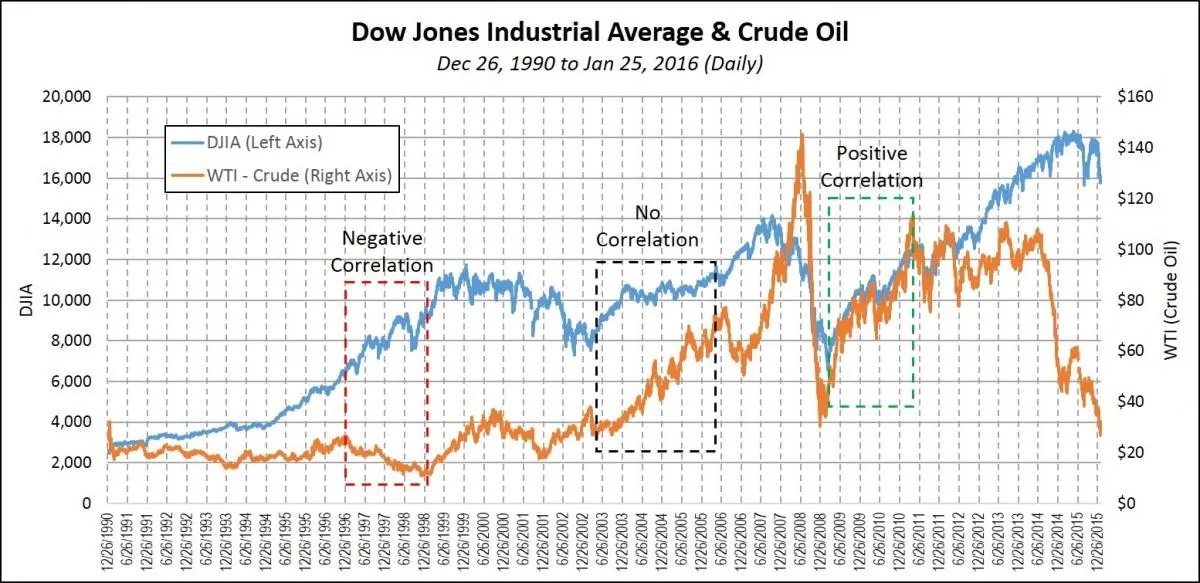
The ongoing rise in oil prices is raising fears that it will negatively impact the quarterly profits of many major companies. Several firms are expected to announce results that fall short of expectations, potentially leading to a decline in stock prices.
As markets prepare for corporate earnings reports, the influence of oil prices emerges as a key factor in determining stock performance. Oil prices have surged due to geopolitical tensions and increased global demand, impacting production and transportation costs.
Details on Corporate Earnings
Forecasts suggest that companies heavily reliant on energy will face greater challenges, as they will have to contend with rising costs, which may affect profit margins. Energy companies are expected to report mixed results, with some benefiting from higher prices while others struggle with increased expenses.
Historically, oil prices have always been a significant driver in the global economy. During periods of increase, they can lead to higher inflation and slower economic growth. For instance, financial markets experienced similar effects in 2008 when oil prices sharply rose, resulting in a global financial crisis.
Background & Context
In recent years, oil-producing countries have attempted to reduce their reliance on oil by diversifying their economies. However, oil still constitutes a large part of the global economy, making it a critical factor in determining market trends.
Impact & Consequences
Many financial institutions expect oil shocks to lead to greater volatility in financial markets, as investors may react swiftly to any changes in oil prices. These shocks could also diminish investor confidence, potentially affecting investments in emerging markets.
Moreover, rising oil prices may lead to increased living costs, impacting consumers' purchasing power. Consequently, this could result in slower economic growth in many countries.
Regional Significance
The fluctuations in oil prices are a crucial factor in determining trends in financial markets and the global economy. Understanding these dynamics is essential for investors and policymakers alike.
In conclusion, the current situation underscores the interconnectedness of oil prices and economic performance, highlighting the need for strategic responses to mitigate potential adverse effects.