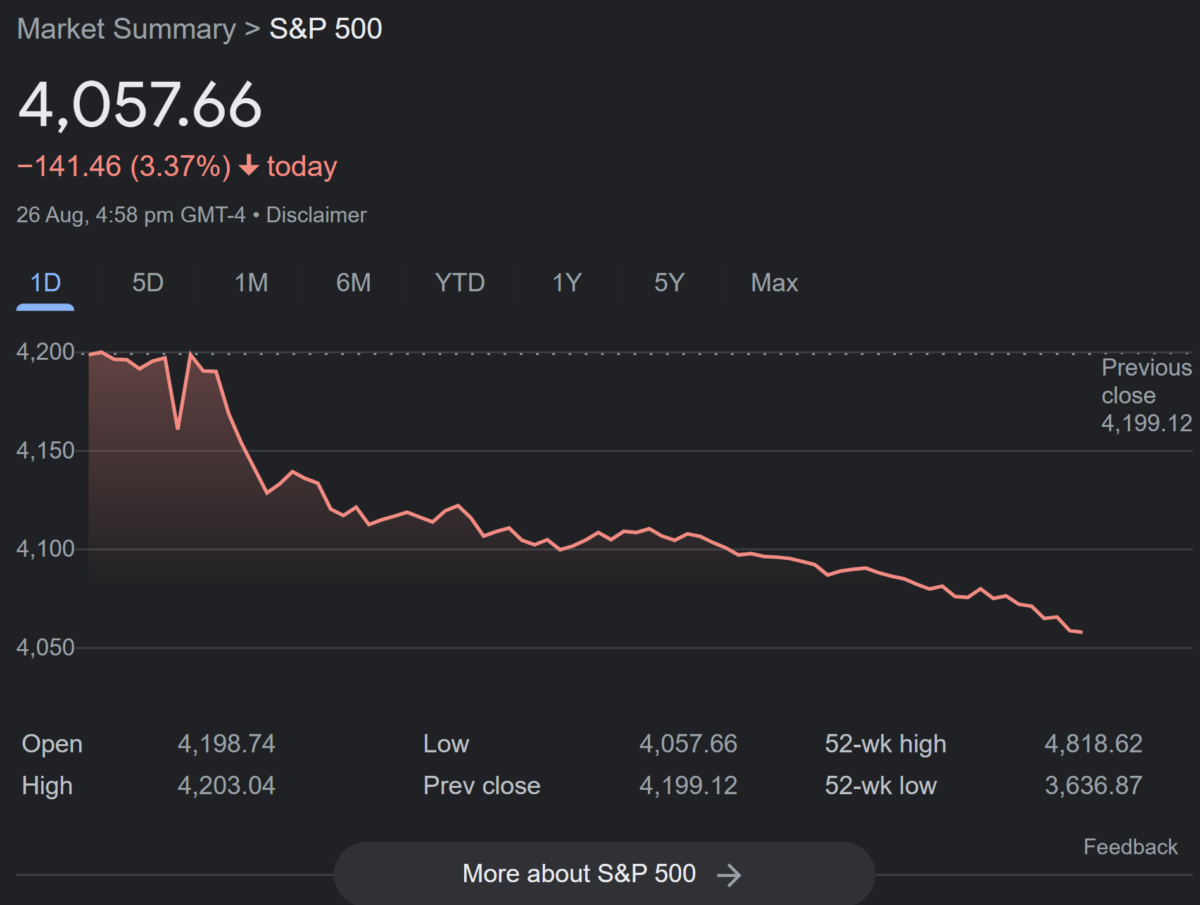
The U.S. financial markets, especially on Wall Street, reacted strongly after the speech delivered by Federal Reserve Chair Jerome Powell, which came at a sensitive time coinciding with a significant rise in oil prices. These developments have raised concerns among investors regarding their impact on economic growth in the United States and worldwide.
In his speech, Powell highlighted the challenges facing the U.S. economy, including inflation and rising interest rates. He also emphasized the importance of taking decisive steps to ensure market stability. These statements come at a time when oil prices have seen a remarkable increase, surpassing the $90 per barrel mark, which adds to the pressures on the global economy.
Details of the Event
Oil prices have surged significantly in recent weeks, with increases reaching up to 10% at times. This rise is attributed to several factors, including geopolitical tensions in major oil-producing regions, along with increasing demand in global markets. This increase has directly affected fuel prices in the United States, heightening inflation concerns.
In this context, Powell's speech aimed to shed light on the challenges facing U.S. monetary policy. He stressed the need for close market monitoring, indicating that the Federal Reserve is prepared to take additional actions if inflationary pressures persist. These remarks elicited mixed reactions among investors, with some believing that these steps could lead to an economic slowdown.
Background & Context
Historically, oil prices have played a pivotal role in determining global economic trends. In recent years, oil markets have experienced significant volatility due to geopolitical events and changes in global demand. These factors directly impact financial markets, as investors react to any changes in oil prices.
In past years, we have witnessed several oil crises that led to negative effects on the global economy. For instance, the substantial increase in oil prices in 2008 resulted in a global economic recession. Therefore, any new rise in prices may evoke similar concerns among investors.
Impact & Consequences
The continuous increase in oil prices could have negative effects on the U.S. economy. It will lead to higher production and transportation costs, which will reflect on the prices of goods and services. This situation may increase inflationary pressures, prompting the Federal Reserve to adopt a more stringent approach in its monetary policy.
Moreover, these developments could affect global financial markets, as investors react to any changes in oil prices. If prices continue to rise, we may witness greater volatility in the markets, increasing uncertainty in the global economy.
Regional Significance
The Arab region is one of the largest oil producers in the world, and therefore any changes in oil prices directly affect its economies. Rising prices could lead to increased oil revenues for producing countries, which can enhance their economic stability.
However, we must be cautious that rising prices may also lead to increased geopolitical tensions in the region. Oil-importing countries may face greater economic challenges, potentially exacerbating economic and social crises.
In conclusion, developments in oil markets and Powell's speech remain a major focus of interest for investors and analysts. It is crucial to closely monitor these events to understand their impact on the global economy and the Arab region.