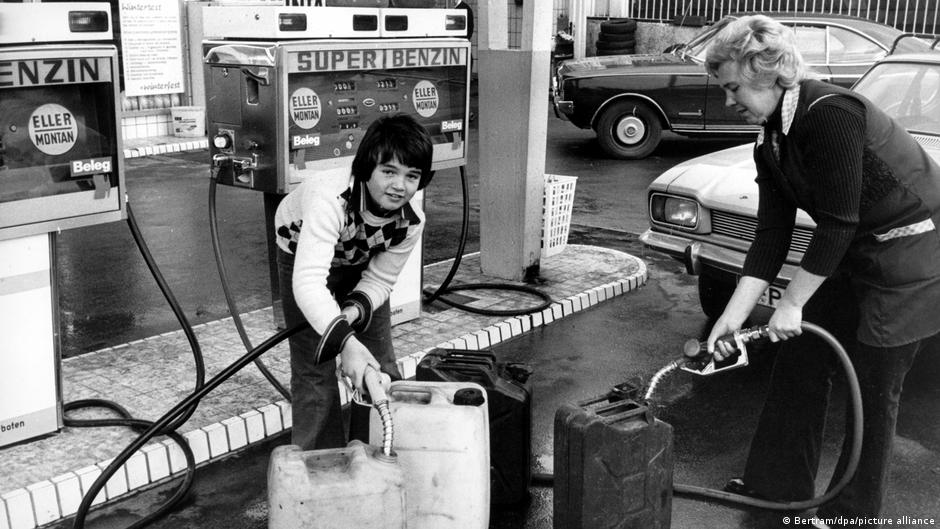
The ongoing war in Iran has resulted in a sharp rise in oil prices, bringing to mind the oil crises experienced globally in the 1970s. The global markets have witnessed significant disruptions in supply, raising fears of a repeat of the economic crises that many countries suffered during that period.
In this context, Fatih Birol, the head of the International Energy Agency, warned that the war in Iran represents "the biggest threat to energy security in history." He noted that the current crisis is worse than the crises of the 1970s and also the repercussions of the Russian invasion of Ukraine, with the current supply gap exceeding 11 million barrels per day, surpassing previous crises.
Event Details
The war in Iran has caused a reduction in global oil supplies by approximately 8%, due to the near-total closure of the Strait of Hormuz, which is a vital point through which five of the world's oil and gas supplies pass. Klaus-Jürgen Gern, an economist at the Kiel Institute for the World Economy, pointed out that the current supply gap is larger than that experienced in the 1970s, where the gap at that time was only 5%.
Although oil prices sharply increased in the 1970s, current prices have not risen to the same extent. Prices saw a noticeable increase following the Russian invasion of Ukraine, but they have not reached the levels seen in the 1970s. However, the current situation necessitates urgent measures to address the challenges posed by the supply shortage.
Background & Context
In the 1970s, oil crises led to a global economic recession, as the significant rise in oil prices resulted in increased living costs and a decline in industrial production. Western countries at that time realized their dependence on oil from the Middle East, prompting them to seek alternative energy sources.
Today, countries still rely on oil, but they have stockpiled significant reserves to counter any potential shortages. According to the International Energy Agency, global oil reserves reached 8.2 billion barrels at the beginning of the year, the highest level since February 2021.
Impact & Consequences
Markets expect that the continuation of the conflict in Iran will lead to increased inflation and a decline in industrial production, as countries will reduce energy consumption wherever possible. Some countries have already begun taking measures to reduce fuel consumption, such as Pakistan, which has urged cricket fans to stay home and watch matches on television.
There is also growing concern that the continued closure of the Strait of Hormuz could lead to a real energy crisis, especially if more fuel facilities are damaged. Some experts have indicated that Qatar, which supplies the world with about 20% of its natural gas, could be significantly affected if Iranian attacks on its facilities continue.
Regional Significance
Arab countries, especially oil-producing ones, are at the heart of this crisis. Any increase in oil prices could lead to increased revenues, but it could also impact economic growth in oil-importing countries. Additionally, the conflict in Iran may heighten regional tensions, affecting the stability of the area.
In conclusion, the future of energy markets remains uncertain, as it depends on developments in the Iran conflict and the responses of major countries. It is essential for Arab nations to remain prepared to face any potential repercussions, whether in terms of storage or seeking alternative energy sources.