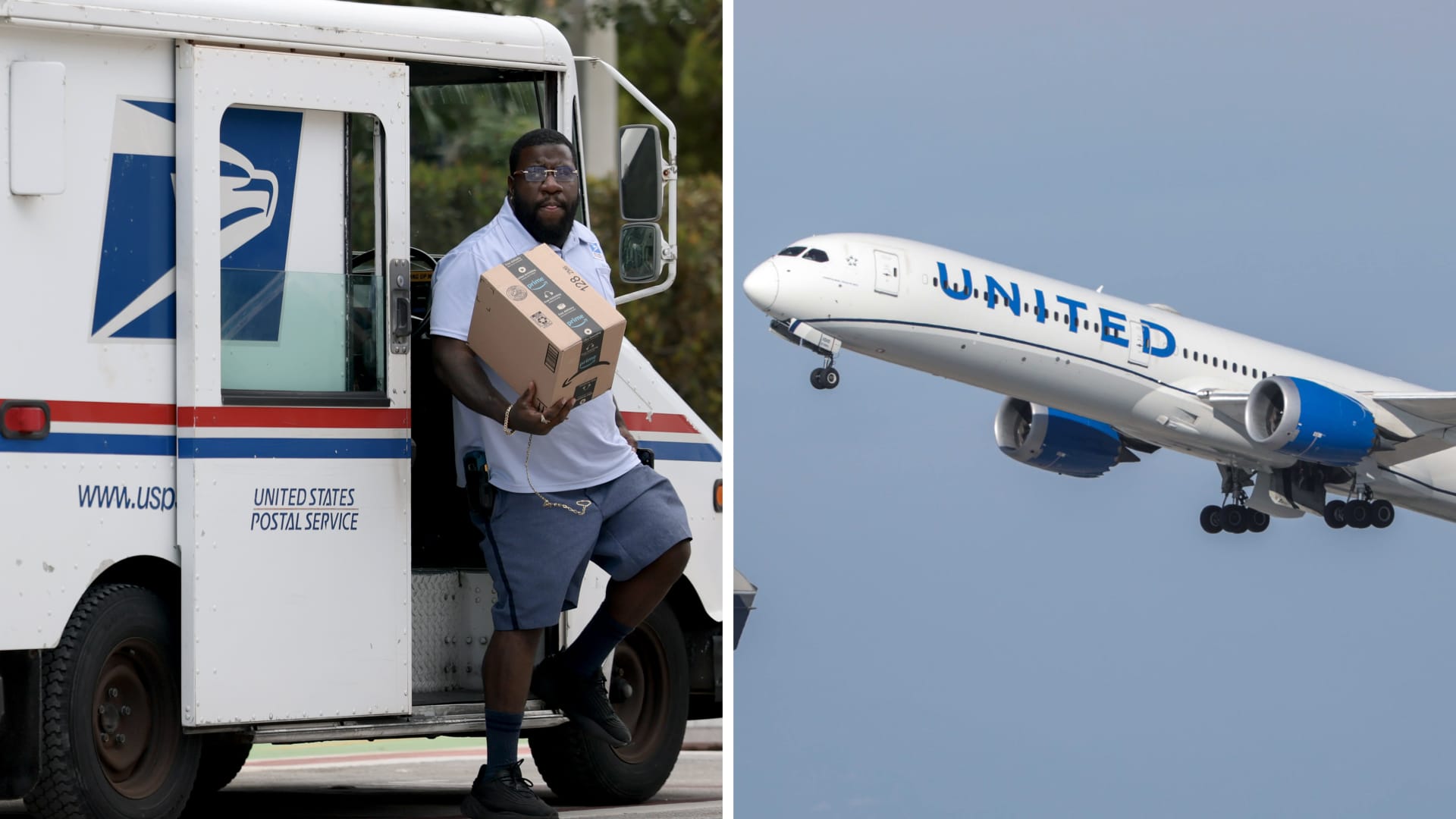
American households are facing increasing economic repercussions due to rising oil prices, prompting companies to adjust their policies to meet new challenges. Amid the ongoing conflict between the United States and Iran, which has entered its fifth week, consumers are feeling the effects of this crisis on their budgets, impacting everything from travel planning to mail delivery.
Expectations are rising that oil prices will remain high, forcing companies to take new actions. The United States Postal Service has announced plans to impose a temporary surcharge of 8% on parcel and express mail deliveries, pending regulatory approval, expected to begin in late April and continue until early 2027.
Details of the Event
The United States Postal Service reported that this fee increase aims to provide the necessary flexibility to ensure coverage of actual business costs, which also requires Congressional approval. The service noted that its fees are lower than those imposed by competing companies such as FedEx and UPS, which have increased fuel surcharges following the American-Israeli attacks on Iran.
In a similar context, United Airlines announced that it will reduce the number of low-profit flights in the upcoming periods due to rising fuel costs. The company's CEO, Scott Kirby, stated that the airline expects oil prices to reach $175 per barrel, which would increase fuel bills by $11 billion, more than double the company's profits in previous years.
Background & Context
Historically, oil prices have experienced significant fluctuations due to political crises and military conflicts. Oil prices surged in March, with Brent contracts recording an increase of over 55%, the largest monthly rise since 1998. Similarly, American oil prices rose by 49% during the same period.
The Arabian Gulf region, particularly the Strait of Hormuz, is a vital point in global oil trade, through which approximately 20% of global oil supplies pass. Any disruptions in this region directly affect global oil prices, reflecting on both the American and global economies.
Impact & Consequences
High oil prices are impacting production costs across various industries, as 3M CEO William Brown indicated that the company may have to raise prices if oil prices continue to rise. Additionally, food delivery companies like DoorDash and Lyft have begun offering support programs for drivers to cope with rising fuel prices, as these drivers struggle to adjust their service prices quickly.
Data indicates that the average gasoline price in the United States has approached $4 per gallon, representing a 33% increase compared to last month. The last similar price surge occurred during the Russian invasion of Ukraine in 2022, further increasing economic pressures on American households.
Regional Significance
Arab oil-producing countries, such as Saudi Arabia and Iraq, stand to benefit from rising oil prices, potentially increasing their revenues. However, higher prices may negatively impact oil-importing countries in the region, raising living costs and putting pressure on their economies.
In conclusion, it is evident that rising oil prices due to geopolitical conflicts have far-reaching effects on both the American and global economies, necessitating that governments and companies take measures to adapt to these changes.