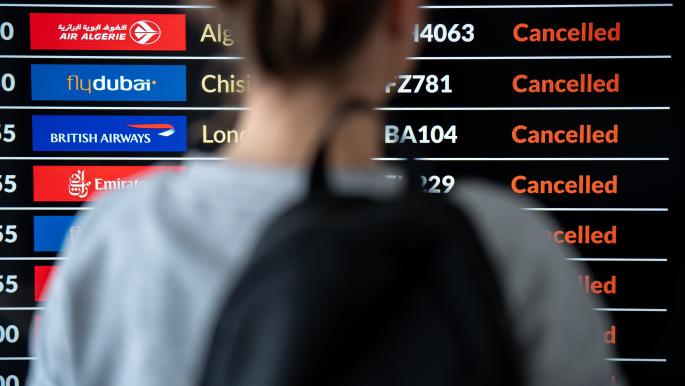
Global airlines are facing unprecedented challenges in pricing air tickets due to a sharp increase in oil prices. This sudden rise in fuel costs has forced many companies to make difficult decisions, such as raising ticket prices and reducing operational capacity.
Oil prices are one of the main factors affecting the operating costs of airlines. With the recent increase in prices, companies are compelled to reassess their pricing strategies, which directly impacts travelers who may face higher travel costs.
Details of the Event
In recent weeks, global oil markets have experienced a significant rise, with prices surpassing record levels. This increase is attributed to several factors, including geopolitical disruptions in some oil-producing countries and a surge in global energy demand following the easing of COVID-19 restrictions. This has led to a substantial rise in fuel costs, impacting the budgets of airlines.
As a result, airlines have started to raise their ticket prices, with reports indicating that some companies have increased prices by up to 20% on certain routes. Additionally, reducing operational capacity is another option that companies are resorting to in order to cut costs, which means fewer flights or a reduction in available seats.
Background & Context
Historically, the aviation industry has experienced significant price fluctuations due to oil price volatility. In past years, there were periods of relative stability in oil prices, allowing airlines to offer competitive fares to travelers. However, with the current rise, it seems that the situation has drastically changed.
It is worth noting that airlines are not the only ones affected by this increase; many other sectors, such as land transport and freight, are facing similar challenges. This raises concerns about the impact of these increases on the global economy as a whole.
Impact & Consequences
Airlines anticipate that these price increases will affect travel demand, as some travelers may hesitate to book new tickets due to high costs. This could lead to a decrease in passenger numbers, negatively impacting the revenues of airlines.
Moreover, these increases may have indirect effects on the local economy in countries that heavily rely on tourism. Higher travel costs could result in a decline in the number of tourists, affecting tourism-related sectors such as hotels and restaurants.
Regional Significance
In the Arab region, where tourism and travel are major sources of revenue, this rise in fuel prices could have a significant impact. Many Arab countries depend on tourism as a primary income source, and thus, increasing travel costs could lead to a decline in incoming tourist numbers.
Additionally, Arab airlines may face additional challenges, as they must compete with global airlines that may be better positioned to absorb high fuel costs. This situation could place Arab companies in a difficult position, necessitating the consideration of new strategies to adapt to changing conditions.
In conclusion, it seems that rising oil prices will have far-reaching effects on the aviation industry, prompting companies to take serious steps to adapt to this new reality. Under these circumstances, the question remains: will travelers be the ones to pay the price?