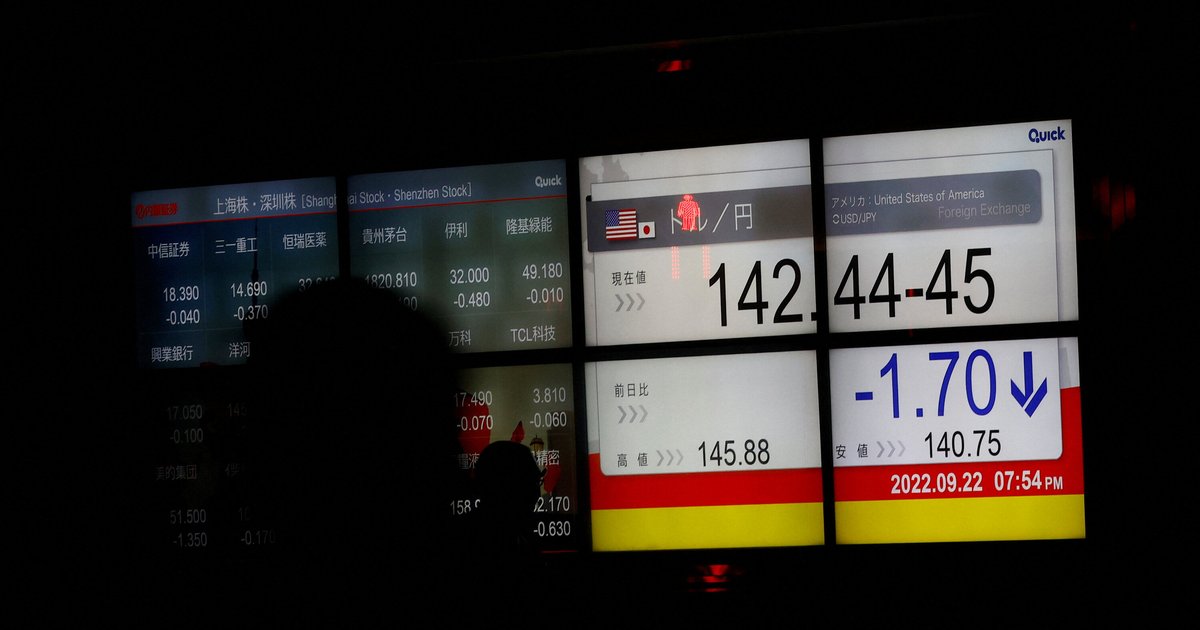
Concerns are escalating in Japan regarding the impact of rising oil prices on inflation, following the Bank of Japan's urgent actions to rescue the yen from its lowest level in four decades. These steps are being taken during a sensitive period, as the Japanese economy suffers from increasing inflationary pressures.
Recently, oil prices have seen significant increases, adding pressure to the Japanese currency. Analysts have pointed out that this rise could exacerbate the economic situation in Japan, which heavily relies on energy imports.
Details of the Intervention
The Bank of Japan has announced a series of measures aimed at supporting the yen, including intervention in the currency market. This intervention follows the yen hitting its lowest level against the US dollar, raising concerns among investors and citizens alike. The bank indicated that these steps are essential to maintain the stability of the Japanese economy under current conditions.
These events coincide with rising oil prices, which have surpassed record levels in recent months. Oil is one of the key factors affecting the Japanese economy, as the country imports over 90% of its energy needs. Therefore, any increase in oil prices can lead to higher living costs and negatively impact economic growth.
Background & Context
Historically, Japan has experienced several economic crises linked to oil prices. In the 1970s, the oil crisis led to a significant economic recession in the country. Since then, Japan has attempted to reduce its dependence on oil, but it still faces major challenges in this area.
In recent years, the Japanese government has taken steps to enhance renewable energy sources and reduce reliance on fossil fuels. However, oil prices continue to play a crucial role in the stability of the Japanese economy, making the country vulnerable to global fluctuations in energy markets.
Impact & Consequences
Many reports predict that the continued rise in oil prices could worsen inflation in Japan, potentially placing additional pressure on the Bank of Japan to take further action. If the situation persists, the central bank may have to consider raising interest rates, which could impact economic growth.
Moreover, rising oil prices may lead to increased costs for goods and services, negatively affecting citizens' purchasing power. If these trends continue, we may witness a decline in domestic consumption, which could affect overall economic growth.
Regional Significance
Oil prices are a vital issue affecting the economies of Arab countries, as many of these nations heavily rely on oil revenues. Consequently, any fluctuations in oil prices directly impact the stability of these economies.
If oil prices continue to rise, some Arab countries may benefit from increased revenues, but at the same time, others may face economic challenges due to higher energy costs. Therefore, it is essential to monitor developments in the oil market and their impact on the global economy.
In light of current conditions, the future of the Japanese yen and the Japanese economy remains contingent on developments in oil prices. The Bank of Japan's response to these challenges will be crucial in determining the trajectory of the Japanese economy in the coming months.