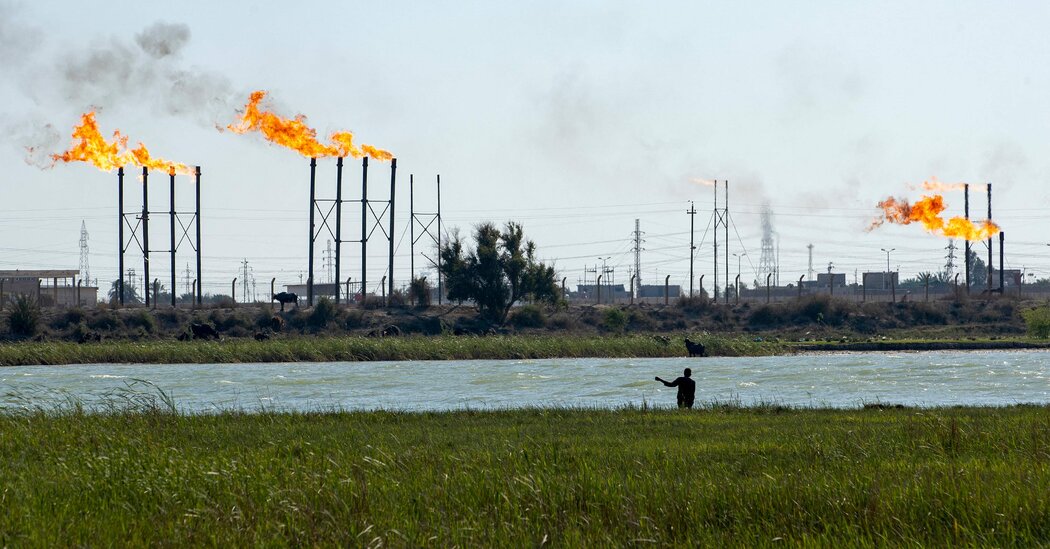
The Bank of Japan's latest report indicates that the ongoing conflict in the Middle East may have negative repercussions on some regional economies, as the sharp increase in oil prices is expected to exacerbate economic conditions. The report highlights that companies in the region are increasingly worried about the impact of rising energy prices on their profits and consumption.
These statements come at a time when the world is witnessing a significant increase in oil prices, raising concerns about the impact on economic growth in countries that heavily rely on energy imports. The Bank of Japan noted that these conditions could lead to a decline in investments and consumption, negatively affecting overall economic growth.
Details of the Situation
These warnings coincide with escalating tensions in the Middle East, where armed conflicts are affecting the stability of global oil markets. Oil prices have seen a notable increase in recent months, adding pressure on both companies and consumers. The bank pointed out that small and medium-sized enterprises are the most affected by this situation, as they struggle with narrow profit margins amid rising costs.
The bank also emphasized the urgent need to closely monitor market developments, as any further escalation in the conflict could worsen economic conditions. This warning serves as a call for stakeholders to take proactive measures to mitigate the impacts of these crises.
Background & Context
Historically, conflicts in the Middle East have had far-reaching effects on the global economy, particularly concerning oil prices. Most oil-importing countries heavily depend on price stability to plan their budgets. In recent years, the region has experienced an increase in conflicts, negatively impacting the stability of oil markets.
Political tensions in the region, including disputes between major powers, play a significant role in shaping oil prices. The past few years have seen several crises that led to sharp price fluctuations, affecting economic growth in many countries.
Impact & Consequences
The increase in oil prices is expected to affect economic growth in many countries, as companies will face new challenges in managing their costs. Additionally, rising prices may lead to a decline in consumption, impacting overall growth in the region. This situation poses a significant challenge for governments, which need to take effective steps to ensure the stability of their economies.
Furthermore, the impact of rising oil prices may extend to financial markets, potentially leading to fluctuations in stock and bond prices. Foreign direct investments may also be affected, as investors may hesitate to enter markets experiencing instability.
Regional Significance
In the Arab region, oil-producing countries are the most affected by price fluctuations, as their budgets heavily rely on oil revenues. At the same time, oil-importing countries will face greater challenges amid rising prices, which could worsen their economic conditions.
Arab countries must work on enhancing economic diversification and reducing reliance on oil as a primary source of revenue by developing other sectors such as tourism and technology. Regional cooperation is also essential to address common economic challenges.