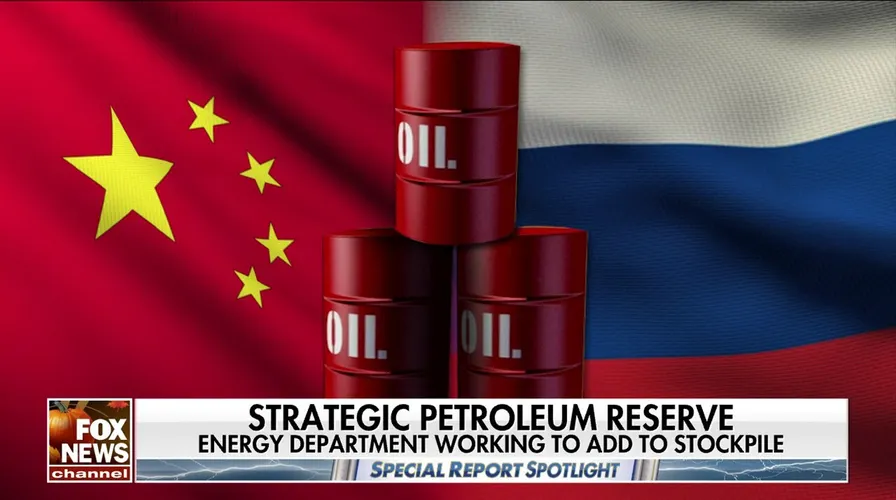
Transportation companies in China are facing significant challenges due to the sharp rise in fuel prices, threatening layoffs and the suspension of some operations. This situation arises amid escalating tensions in the Middle East, particularly following the war in Iran and the closure of the Strait of Hormuz, a vital artery for global oil trade.
Companies are hesitant to pass on the increased fuel costs to customers for fear of losing their competitiveness in the market. Many business owners have indicated a preference for halting their trucks rather than incurring additional losses.
Details of the Situation
Concerns are growing among transportation companies that the ongoing rise in oil prices may lead to a significant decrease in demand for their services. Reports indicate that some companies have already begun to reduce the number of operational trucks, threatening to increase unemployment in this vital sector.
At the same time, drivers are experiencing mounting financial pressures due to rising living costs, complicating the situation further. Many have expressed dissatisfaction with the inability of companies to provide adequate compensation for the increase in fuel costs.
Background & Context
Historically, oil prices have experienced significant fluctuations due to political and economic crises in the Middle East. Since the beginning of the year, prices have risen sharply due to ongoing conflicts, impacting the global economy as a whole.
The closure of the Strait of Hormuz, through which approximately 20% of global oil supplies pass, is one of the key factors influencing oil prices. These crises lead to increased instability in the markets, negatively affecting local companies in China.
Impact & Consequences
Many economic analyses predict that rising oil prices will lead to a slowdown in economic growth in China. Small and medium-sized enterprises, which heavily rely on transportation, may be the most affected, potentially leading to job losses and rising unemployment rates.
Furthermore, this crisis could impact the prices of goods and services in the market, increasing pressure on consumers. If the situation persists, government intervention may be required to support affected companies.
Regional Significance
The Middle East, especially Gulf countries, is among the largest oil producers in the world. Any increase in oil prices directly affects the economies of these countries, potentially leading to changes in production and export strategies.
Additionally, political tensions in the region may impact the stability of global markets, reflecting on prices in Arab markets. Therefore, what is happening in China could have wide-ranging implications for the Arab economy.
In conclusion, the current situation requires international coordination to address the increasing crises in the oil market, as any delay in taking necessary actions could exacerbate economic crises in many countries.