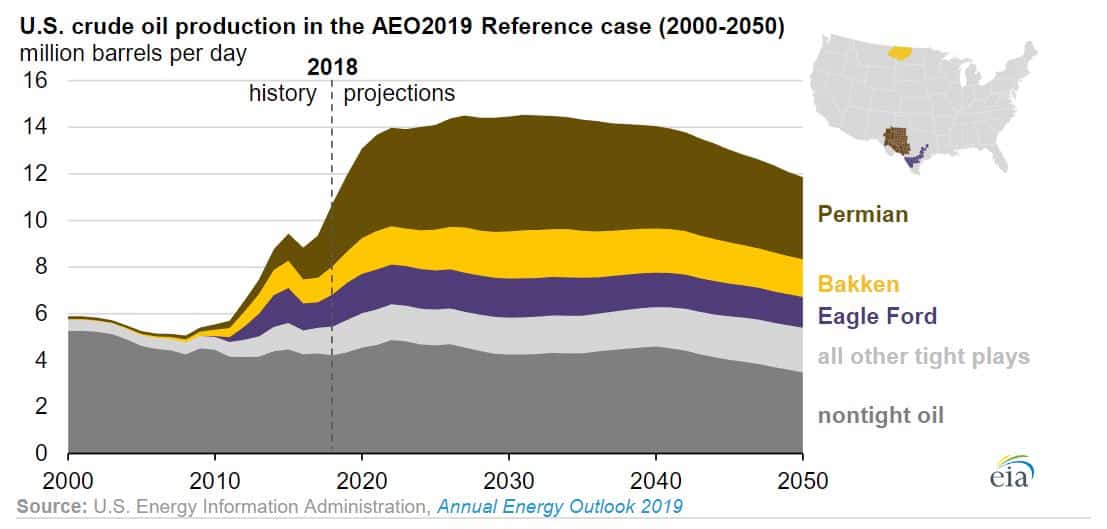
US shale oil companies are gearing up to resume drilling operations amid rising oil prices, significantly influenced by ongoing conflicts in the Middle East. According to reports from Citigroup, these companies are expected to start adding new drilling rigs in the second half of this year, which could lead to an increase in production by more than 100,000 barrels per day by 2027.
The forecasts suggest that this move comes at a critical time as the United States seeks to bolster its oil production to address global economic challenges. Shale oil is a primary source of US production, and this industry has experienced significant fluctuations in recent years due to price changes and environmental policies.
Details of the Event
Citigroup anticipates that the rise in oil prices will incentivize shale oil companies to resume drilling operations, with the price per barrel expected to exceed $80 in the coming months. This price increase reflects the impact of geopolitical conflicts, particularly disputes in the Middle East, on global energy markets.
Companies like ExxonMobil and Chevron are among those likely to benefit from this trend as they aim to increase production to meet rising demand. This increase in production is expected to contribute to stabilizing oil prices in the long term.
Background & Context
The US shale oil industry has witnessed remarkable growth over the past decade, positioning the country as one of the largest oil producers in the world. However, this industry has faced significant challenges due to price volatility and environmental pressures. In recent years, geopolitical tensions, especially in the Middle East, have led to increased demand for oil, contributing to rising prices.
Historically, oil prices have been significantly affected by political events in the Middle East, a major source of global production. Therefore, any escalation in conflicts can lead to sudden price increases, impacting the global economy.
Impact & Consequences
The anticipated increase in production in the United States is expected to have multiple effects on global markets. First, this increase may help stabilize prices in the long term, reducing the volatility that markets have experienced in recent years. Second, this move could enhance the United States' position as a global oil power, increasing its influence in energy markets.
Moreover, increased production may lead to the creation of new jobs in the oil and gas sector, contributing to the strengthening of the local economy. However, this increase must be balanced with environmental considerations, as additional drilling could exert further pressure on the environment.
Regional Significance
Arab countries are directly affected by rising oil prices, as many of these nations rely on oil revenues as a primary source of income. Higher prices could bolster the economies of these countries, but at the same time, they may create new challenges related to political and economic stability.
Additionally, the increase in US production may impact global oil markets, potentially leading to price fluctuations that affect oil-producing countries in the region. Therefore, these countries must be prepared to adapt to potential market changes.