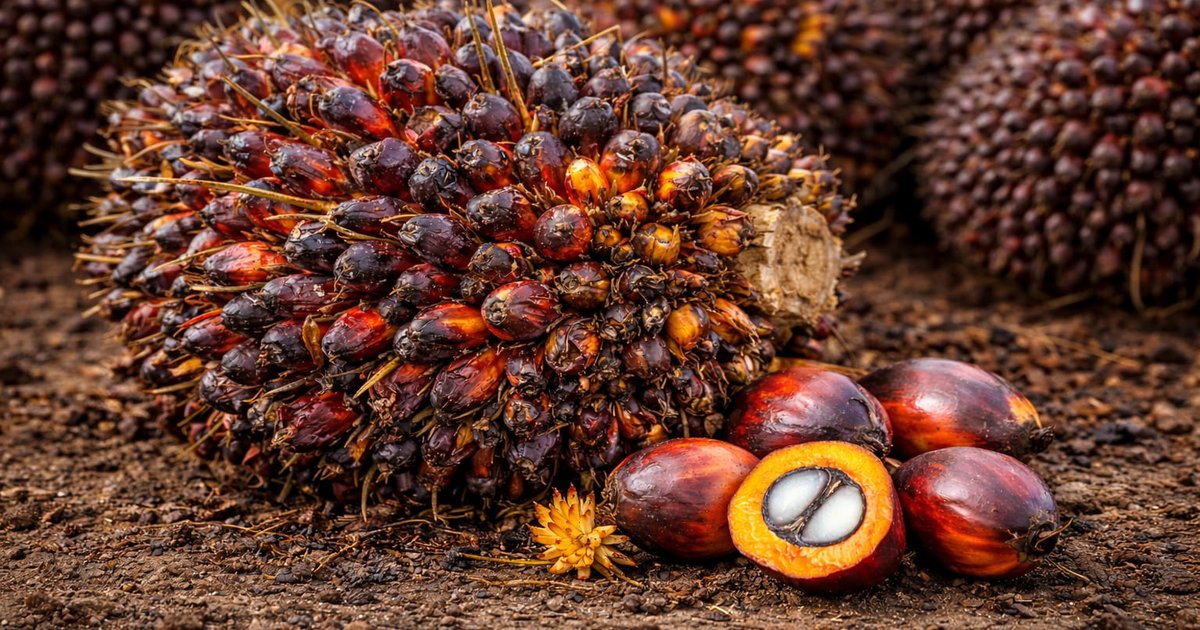
Palm oil fruit prices in Indonesia's Riau province have experienced a notable increase, reaching 4007.05 Indonesian Rupiah per kilogram, which is an increase of 39.23 Indonesian Rupiah or 0.99% compared to the previous period. This rise reflects the impact of increasing crude palm oil prices on the market, contributing to improved incomes for local farmers.
Devries Hatmaja, head of the agriculture processing and marketing department in Riau, explained that the price increase was particularly evident in the age group of palm trees that are 9 years old, as this category is considered the most productive. This high price is expected to continue for a week, from April 8 to April 14, 2026.
Event Details
Devries noted that crude palm oil (CPO) prices have risen by 271.48 Indonesian Rupiah, reaching 16041.67 Indonesian Rupiah per kilogram, while palm kernel prices increased by 306.32 Indonesian Rupiah, reaching 15760.00 Indonesian Rupiah. Additionally, the purchasing prices of palm oil fruits from cooperative farmers have increased by 124.79 Indonesian Rupiah, reflecting an improvement in the economic conditions of farmers.
This price increase comes at a sensitive time as farmers seek to enhance their incomes amid economic challenges. Devries pointed out that improving the management of TBS pricing is part of the efforts to ensure fair pricing between farmers and trading partners.
Background & Context
Indonesia is one of the largest producers of palm oil in the world, with this industry playing a vital role in the national economy. Historically, palm oil prices have experienced significant fluctuations due to global demand and changes in agricultural policies. In recent years, farmers have faced increasing pressures due to climate change and global competition, making price improvements essential for ensuring the sustainability of this industry.
Riau province is one of the main areas for palm oil production, where many farmers rely on these crops as a primary source of income. Therefore, any changes in prices directly impact the lives of these farmers and their families.
Impact & Consequences
The rise in palm oil prices can lead to improved incomes for farmers, contributing to enhanced living standards in rural areas. However, this increase must be approached with caution, as it may lead to higher costs for consumers. Additionally, rising prices could attract more investments into the palm oil sector, which may contribute to the development of agricultural technology and improved productivity.
It is also crucial for the government and farmers to maintain communication to ensure that this price increase benefits all stakeholders involved, including the environment. Sustainable strategies must be in place to ensure that there is no negative impact on forests and natural resources.
Regional Significance
Palm oil is an important agricultural product imported by many Arab countries. Consequently, any changes in palm oil prices in Indonesia may affect the Arab market. Given the increasing demand for palm oil in Arab nations, rising prices could lead to higher production costs in the food industries.
Thus, Arab countries should closely monitor these changes and seek alternatives or strategies to adapt to these price fluctuations to ensure market stability.