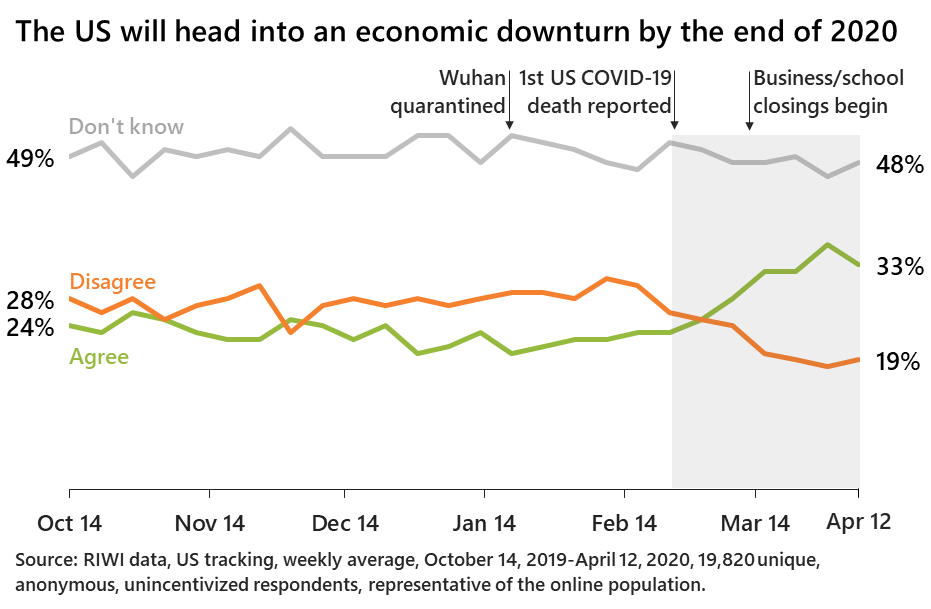
Economic experts indicate that consumption driven by fear of economic crises contributes to monopolistic practices and rising prices, threatening the stability of local markets. They noted that this consumer behavior significantly increases during crises, as consumers strive to secure their basic needs, leading to heightened demand for goods.
In the current economic climate, many individuals are purchasing larger quantities of goods, resulting in supply shortages and price hikes. Experts have warned that this could lead to some companies monopolizing goods, exacerbating consumer hardships.
Details of the Event
Reports indicate that markets have recently experienced a significant increase in prices, with food and essential goods rising to unprecedented levels. Many analysts attribute this increase to fear-based consumer behavior, as individuals stockpile goods in anticipation of future crises.
Experts also pointed out that some companies may exploit these conditions to unjustifiably raise prices, further enhancing monopolistic tendencies. It has been observed that certain traders are hoarding essential goods to sell them at inflated prices later, increasing pressure on consumers.
Background & Context
Historically, many countries have faced similar situations where fear-driven consumption led to price increases and market monopolies. In previous economic crises, there was a recurring pattern where consumers turned to purchasing large quantities of goods, resulting in supply shortages.
This phenomenon requires a swift response from governments and relevant authorities to ensure price stability and protect consumers. There must be mechanisms in place to monitor prices and prevent monopolies, along with enhancing transparency in markets.
Impact & Consequences
The phenomenon of fear-based consumption has negative repercussions on the local economy. Rising prices burden families, affecting their purchasing power and increasing poverty rates. Additionally, monopolies may lead to reduced competition in the market, harming the quality of goods and services offered.
Moreover, this phenomenon could result in a loss of trust between consumers and companies, further exacerbating economic instability. If these trends continue, we may witness long-term effects on the local economy.
Regional Significance
The Arab region is particularly susceptible to such phenomena, as many countries face recurring economic crises. Fear-based consumption could worsen economic crises in nations already struggling with weak economic infrastructure.
It is crucial for Arab countries to collaborate in addressing these challenges by sharing experiences and implementing effective policies to ensure market stability and protect consumers. Additionally, consumer awareness about the importance of responsible purchasing and not succumbing to fear must be enhanced.
In conclusion, the current situation requires a collective response from all stakeholders to ensure market stability and protect consumers from the effects of fear-based consumption.