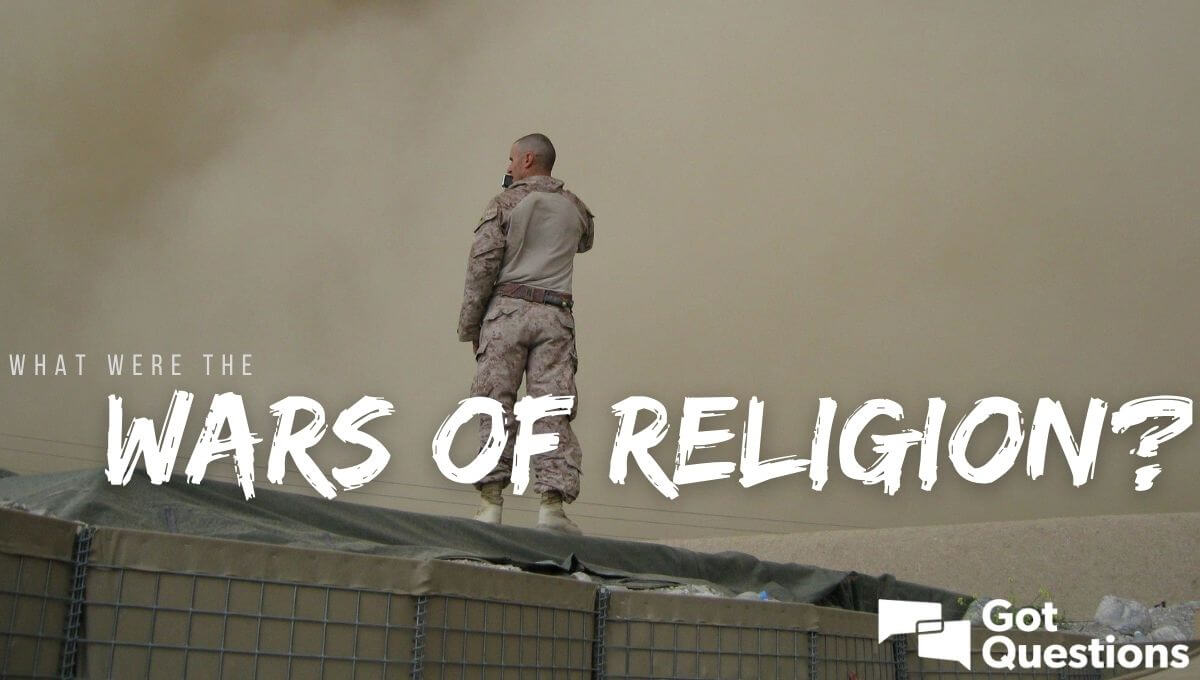
Concerns are rising about the transformation of political conflicts into religious wars, where religious language is used to justify confrontations between major powers, such as the United States, Israel, and Iran. In recent months, some American preachers and commentators have begun to describe this conflict as a "holy war," rather than merely a geopolitical struggle.
Reports indicate an increase in nationalist Christian and evangelical voices that describe the conflict in the Middle East in clear theological terms. Some evangelical preachers have used biblical texts to interpret the tensions surrounding Israel, portraying the dispute with Iran as part of a divinely ordained battle between good and evil.
Details of the Event
In sermons broadcast online, war is depicted as a pivotal moment where followers must support Israel in a battle of spiritual significance, believed to lead to what is known as the "rapture." This discourse is not limited to religious platforms but also resonates among some veterans and commentators who view the confrontation with Iran as part of a broader civilizational struggle between Judeo-Christian civilization and Islam.
When this language enters strategic discourse, it transforms political conflict into something far more dangerous: a war imbued with sacred meanings. History shows that holy wars make it difficult to reach settlements, as battles are seen as fights for divine truth, rendering any attempt at negotiation a betrayal.
Background & Context
This phenomenon is not new; it has recurred throughout history in many contemporary conflicts. For example, Patriarch Kirill, the leader of the Russian Orthodox Church, described the war in Ukraine in spiritual terms, viewing it as a metaphysical battle over the moral future of the Russian world. This type of discourse grants the war moral legitimacy, undermining any opposing voice.
Despite efforts to promote interfaith dialogue, deep divisions among religious and political actors remain. Many religious organizations operate within narrow institutional confines, rendering them unable to confront the violence committed in the name of religion.
Impact & Consequences
The risks increase when wars are sanctified, as they can easily escalate into boundless conflicts. This situation reflects the erosion of pluralism, with international institutions appearing powerless to play a mediating role in global disputes. Under these circumstances, religious conflicts can escalate and lead to the radicalization of communities.
Islamophobia discourse is re-emerging as a significant political force, reinforcing the notion that the conflict with Iran is not merely geopolitical but a civilizational clash. This framing can exacerbate sectarian polarization and undermine coexistence among religions.
Regional Significance
Christian-Muslim tensions are escalating under this discourse, potentially leading to heightened conflicts in the region. History shows that religious wars have devastated entire areas, and now, with globalization, narratives of conflict can spread rapidly across continents.
While religious leaders emphasize teachings that advocate for peace, these principles remain fragile in the face of political realities. If religious institutions cannot confront the narratives that legitimize violence, they risk becoming spectators to a new era of religious conflict.
In conclusion, we stand on the brink of a historically perilous moment, where religious language is used to justify wars, necessitating a reconsideration of how to make religions forces for peace rather than part of the problem.