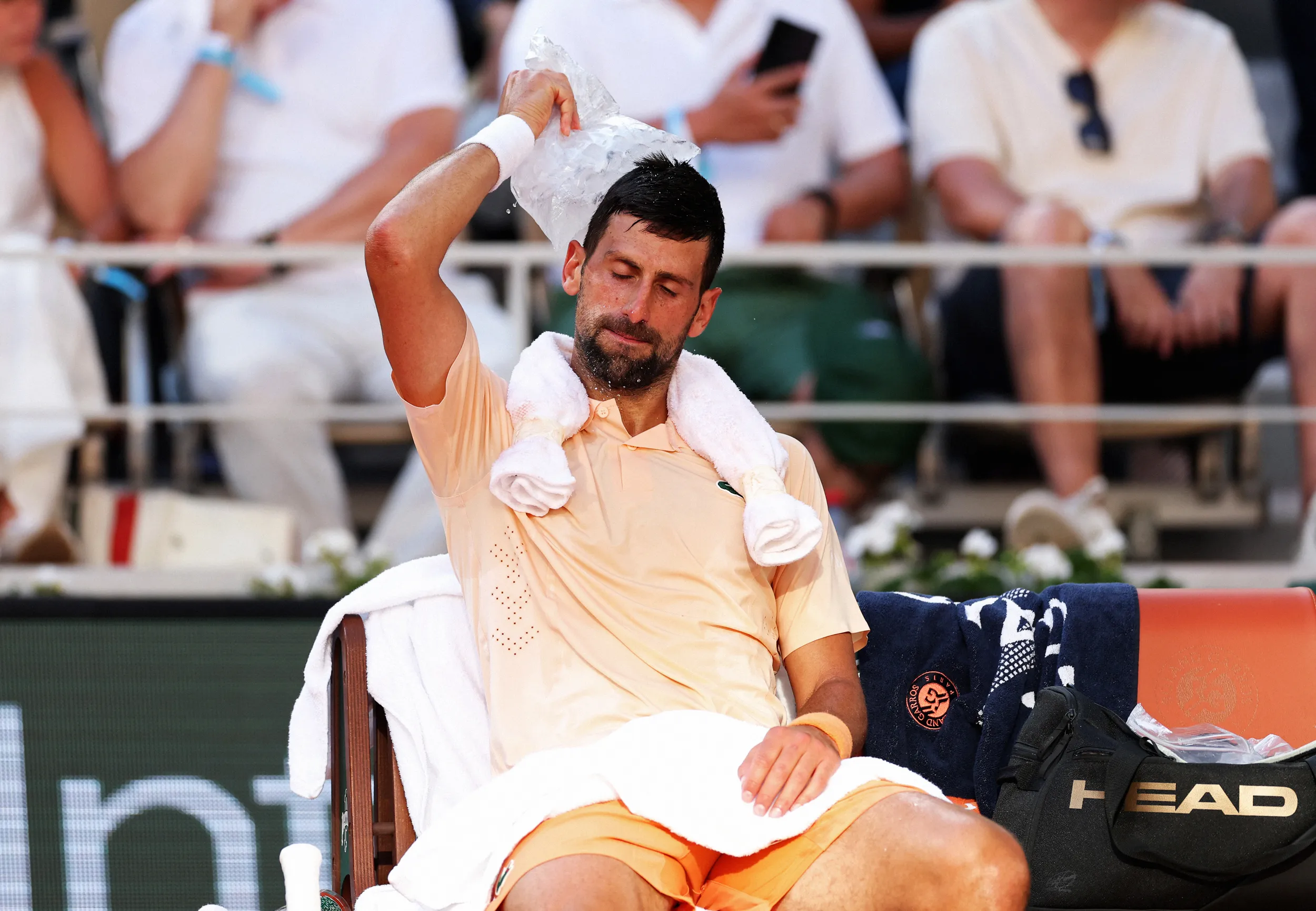
The French Open tennis tournament is facing unprecedented challenges this year due to a severe heatwave affecting the French capital, Paris. The early days of the tournament have seen instances of players collapsing due to the harsh conditions, raising widespread concern about the impact of heat on athlete health.
Reports indicate that temperatures in Paris have reached high levels, prompting players to take precautionary measures such as sitting in the shade and using ice packs to cool their bodies. Players like Jakob Mencik have experienced collapses on the court, with one describing the feeling as if "his body stopped" after a long match.
Event Details
Current temperatures in Paris range from 30 to 35 degrees Celsius, due to a high-pressure area known as a "heat dome," which traps warm air. To measure the impact of this heat on player health, a special gauge known as the "wet bulb temperature" is used, which takes into account several factors such as temperature, humidity, and solar radiation.
Research shows that a wet bulb temperature reaching 30 degrees Celsius may not seem dangerous, but it marks the beginning of a danger zone for human health. Sweat becomes less effective at evaporating, increasing the risk of heat-related illnesses.
Background & Context
Historically, major tournaments like the French Open have dealt with high temperatures, but current climate changes may make these conditions more common in the future. Research indicates that wet bulb temperatures may become normal in many regions around the world within the next two decades, raising concerns about the health of both athletes and fans.
Other major tournaments such as Wimbledon, Australian Open, and US Open have implemented plans to deal with heat, allowing players longer breaks. These tournaments rely on wet bulb temperature measurements to determine when to take preventive actions.
Impact & Consequences
Studies suggest that prolonged exposure to wet bulb temperatures reaching 35 degrees Celsius represents the upper limit for human survival, as sweating ceases to evaporate. This means that players in major tournaments may face increased health risks if heatwaves continue to rise.
These new conditions require organizers to consider new strategies to protect players, such as providing more shaded areas and adjusting match schedules to avoid the hottest times of the day. There is also an urgent need for awareness about the risks of heat and how to manage them effectively.
Regional Significance
The Middle East and North Africa region is among the most affected by climate change and rising temperatures. This means that athletes and practitioners in these areas may face challenges similar to those experienced by players in Paris. This necessitates that Arab countries take preventive measures and develop strategies to adapt to harsh climatic conditions.
In conclusion, the current situation at the French Open highlights the importance of addressing climate change and its impact on public health, calling for a global response to mitigate heat-related risks.