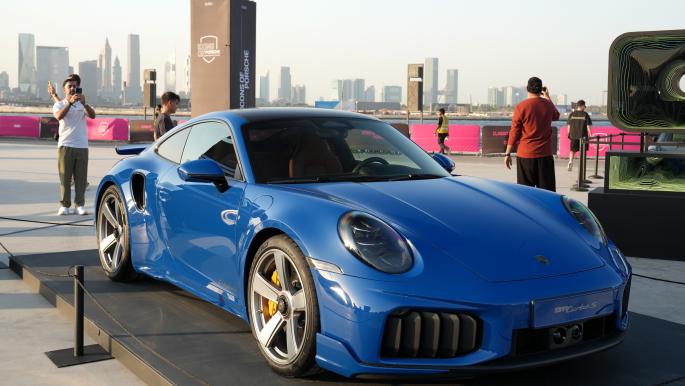
Reports indicate that luxury car markets in the Gulf, despite representing less than 10% of global sales, generate significant profits. However, these profits are increasingly threatened by tensions arising from the ongoing war in the region.
The Gulf countries, including the UAE and Saudi Arabia, are important markets for luxury car companies, contributing significantly to profits that exceed sales volume. Nevertheless, the escalating tensions in the region, particularly with the rise of military conflicts, may negatively impact this industry.
Details of the Situation
Luxury car companies are facing new challenges amid the tense conditions in the Middle East. Although Gulf markets represent a small portion of total sales, the profits generated by companies in these markets are considered high. For instance, estimates suggest that some companies achieve profit margins of up to 30% in these markets.
However, the ongoing war in Iran and military threats in the region may lead to a decline in demand for luxury cars. Studies have shown that consumers in these markets tend to reduce spending during times of instability.
Background & Context
Historically, luxury car markets in the Gulf have relied on political and economic stability. However, with the escalation of conflicts in recent years, it has become clear that these companies need to reassess their strategies. In recent years, the region has witnessed significant changes in political regimes, impacting consumer behavior.
Moreover, tensions between Iran and Western countries, along with regional conflicts, have increased anxiety among investors and consumers. This anxiety can reflect on luxury car sales, as consumers tend to postpone purchasing decisions during uncertain times.
Impact & Consequences
If the current situation persists, luxury car companies may face a decline in profits in the near future. These companies may have to adjust their marketing strategies and focus on strengthening relationships with existing customers rather than attracting new ones.
Furthermore, these tensions may impact supply chains, leading to increased costs. Under these circumstances, companies may have to raise their prices, which could further decrease demand.
Regional Significance
The luxury car industry is part of the Arab economy, providing job opportunities and contributing to economic growth. As tensions rise, this industry may be significantly affected, potentially leading to job losses and increased unemployment rates.
Additionally, a decline in luxury car sales may impact related sectors, such as tourism and entertainment, where tourists tend to rent luxury cars during their visits to the region. Consequently, the effects may extend beyond the automotive industry.
In conclusion, luxury car companies in the Gulf face significant challenges due to regional tensions. While these companies continue to generate substantial profits, the future may be uncertain if the current conditions persist. These companies must be prepared to adapt to rapid market changes.