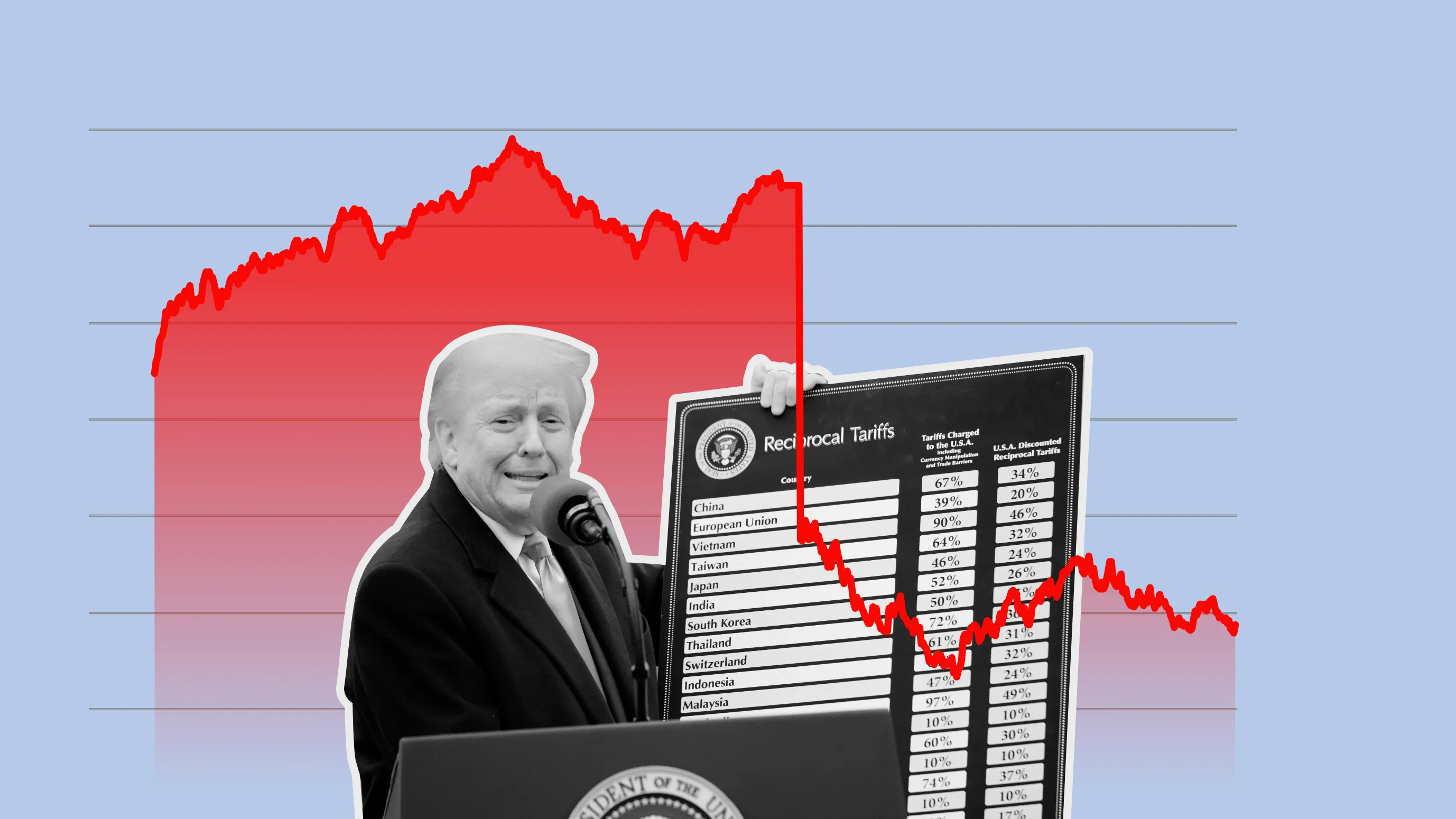
Recent trade movements have raised questions about the potential impact of former President Donald Trump's policies. These developments come at a sensitive time as the U.S. presidential elections approach, increasing concerns about market stability. Under these circumstances, investors are questioning how these policies might affect the U.S. and global economies.
Reports indicate that some investors have begun to take new positions in stock and commodity markets, reflecting their expectations regarding Trump's future policies. These movements may signal the uncertainty that is dominating the markets, as investors seek to protect themselves from potential volatility.
Details of the Event
Trade movements in financial markets are increasing as the U.S. presidential elections draw near, with investors striving to understand how Trump's potential policies could impact the economy. Some data has shown an increase in trading volumes in certain sectors, reflecting growing anxiety among investors.
The trade movements that have raised questions include an increase in demand for certain commodities, such as oil and metals, while stock markets have experienced notable fluctuations. These movements indicate that investors are trying to adapt to the changing political landscape in the United States.
Background & Context
Historically, Trump's economic policies have sparked widespread debate, as he has made numerous decisions that have significantly impacted the markets. From imposing tariffs on Chinese goods to changes in tax policies, there have been direct effects on the global economy.
As the elections approach, concerns are mounting about whether Trump will return to the White House and what policies he might adopt if he wins. This anxiety is clearly reflected in market movements, as investors seek to make decisions based on their future expectations.
Impact & Consequences
The effects of these trade movements extend beyond the U.S. markets, as they could impact the global economy in general. If Trump returns to power, we may witness significant changes in trade policies that could escalate trade tensions between the U.S. and other countries, especially China.
Moreover, these policies could lead to fluctuations in commodity prices, affecting countries that rely on exports of these goods. Consequently, investors in global markets are closely monitoring these developments.
Regional Significance
The Arab region is part of the global economy, and thus any changes in U.S. policies could directly affect it. Countries that rely on oil exports may be particularly impacted if oil prices experience volatility due to changes in trade policies.
Additionally, relations between the U.S. and Arab countries may be affected, potentially leading to changes in investments and trade. Therefore, it is crucial for Arab nations to closely monitor these developments and be prepared to adapt to any potential changes.