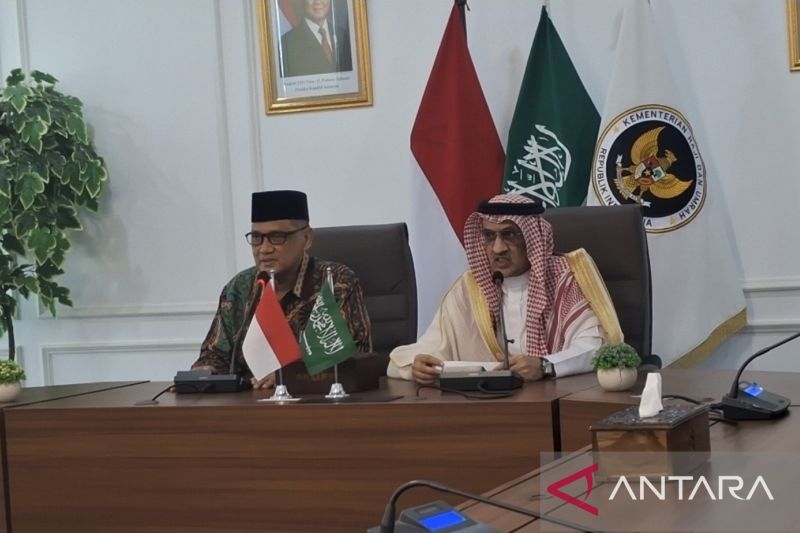
Indonesian Minister of Hajj and Umrah, Mukhamad Irfan Yusuf, reported that ongoing unrest in the Middle East significantly impacts travel costs, particularly airline fuel prices. These statements come at a time when the tourism sector is facing new challenges, raising concerns among travelers and airlines.
Yusuf pointed out that the increase in airline fuel prices due to current events in the Middle East could lead to a rise in overall travel costs, affecting the pilgrimage plans for Indonesian Muslims. This issue is critical given the large numbers seeking to perform the Hajj and Umrah annually.
Details of the Situation
Concerns are growing that political and security unrest in the Middle East could negatively impact the travel industry. Yusuf noted that this price increase may affect many families' ability to perform Hajj and Umrah, potentially reducing the number of travelers to the holy sites.
He added that the Indonesian government is closely monitoring the situation and seeking ways to mitigate the effects of this increase on travelers. This comes at a time when many Muslims worldwide are striving to fulfill their religious duties, making it essential to take effective steps to ensure they are not adversely affected.
Background & Context
Historically, the Middle East has experienced numerous upheavals that have impacted the global economy, particularly in the fields of energy and tourism. Political crises have led to significant fluctuations in oil prices, which in turn affect travel costs. In recent years, we have witnessed an increase in tensions among countries, exacerbating the situation.
Indonesia is one of the largest Islamic countries in the world, with millions of Muslims seeking to perform Hajj and Umrah annually. Therefore, any increase in costs could significantly affect travel plans, making it crucial to seek effective solutions.
Impact & Consequences
The rise in travel costs is expected to reduce the number of travelers, which may impact the local economy in Indonesia. Many businesses rely on religious tourism as a primary source of revenue, and any decline in numbers could lead to substantial losses.
Moreover, this increase may lead to changes in travel patterns, as travelers might seek alternative options or postpone their trips. This could negatively affect airlines, hotels, and tourist facilities.
Regional Significance
The Middle East is a major hub for religious tourism, attracting millions of visitors to Mecca and Medina each year. Therefore, any unrest affecting travel costs could also impact the economies of Arab countries. It is important for Arab nations to collaborate to ensure price stability and facilitate the movement of travelers.
In conclusion, governments and relevant companies must take effective steps to mitigate the effects of unrest in the Middle East on the travel industry, ensuring the continued flow of visitors to the holy sites.