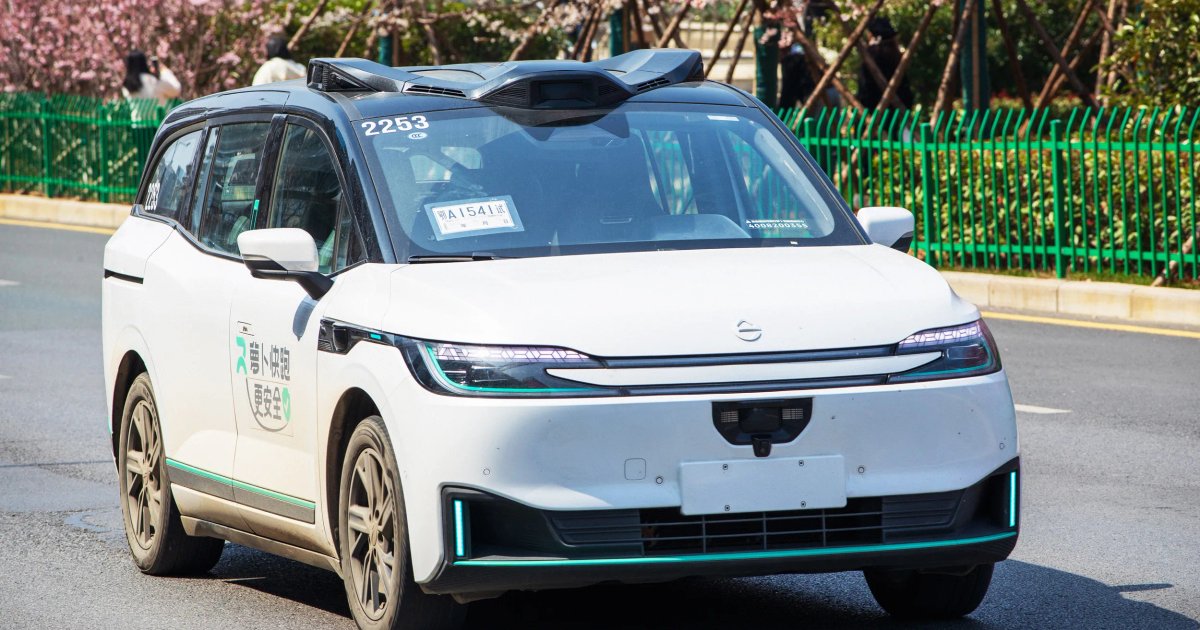
A technical malfunction of the robot taxis operated by Baidu occurred on Tuesday, leading to their stoppage in the middle of traffic in Wuhan, where some passengers were trapped inside the vehicles for over an hour. The incident triggered widespread outrage on social media, with many passengers documenting their experiences with the malfunction.
In Wuhan, where Baidu has deployed hundreds of self-driving taxis under the name Apollo Go, people reported on social media that the cars suddenly stopped working. Images and videos shared online showed Baidu vehicles halted on highways, often in the fast lane, causing traffic congestion.
Details of the Incident
A university student in Wuhan, who requested to remain anonymous to protect his privacy, stated that he was stuck in a Baidu car with two friends for about 90 minutes. He explained that the car malfunctioned and stopped four or five times during the trip before finally halting at an intersection in eastern Wuhan. Fortunately, the road was not busy, and there was no immediate danger to the group. However, the car's display screen instructed passengers to remain inside with their seatbelts fastened and wait for a company representative.
It took about 30 minutes to reach a customer service representative at Baidu via phone, where the responses were unhelpful, providing no explanation for the malfunction or the expected wait time. After another hour of waiting, the three passengers decided to exit the vehicle and return home, as the doors were not locked.
Background & Context
Baidu is considered one of the leading companies in the field of self-driving cars in China, having launched robot taxi services in over ten Chinese cities. Last February, Baidu announced it had completed 20 million rides covering over 300 million kilometers. Wuhan was among the most advanced cities in allowing Baidu's self-driving cars to operate on public roads, where they are permitted to operate on highways and run rides to the airport.
This incident is part of the challenges faced by modern technology in the transportation sector, raising concerns about safety and reliability. Previous incidents involving self-driving cars have sparked widespread debate about the safety of this technology.
Impact & Consequences
This incident raises questions about the safety of self-driving cars, especially as reliance on them increases in major cities. The accidents resulting from the malfunction of Baidu's robot taxis led to collisions, reflecting the potential risks that this technology may face in the future. The incident may also impact Baidu's reputation and lead to increased scrutiny from regulatory bodies.
Although there were no injuries, the incident highlights the need for improved technical support systems and customer service in such emergency situations. Additionally, the incident may lead to increased calls for further research and studies on the safety of self-driving cars.
Regional Significance
Self-driving cars are also an interesting topic in the Arab region, where some countries like the United Arab Emirates have begun exploring this technology. Incidents like the one in Wuhan may influence how this technology is adopted in Arab countries, where strict standards must be established to ensure safety and reliability.
In conclusion, the Wuhan incident reflects the challenges faced by self-driving car technology, highlighting the importance of enhancing technical support systems and communication with customers to ensure their safety and comfort.