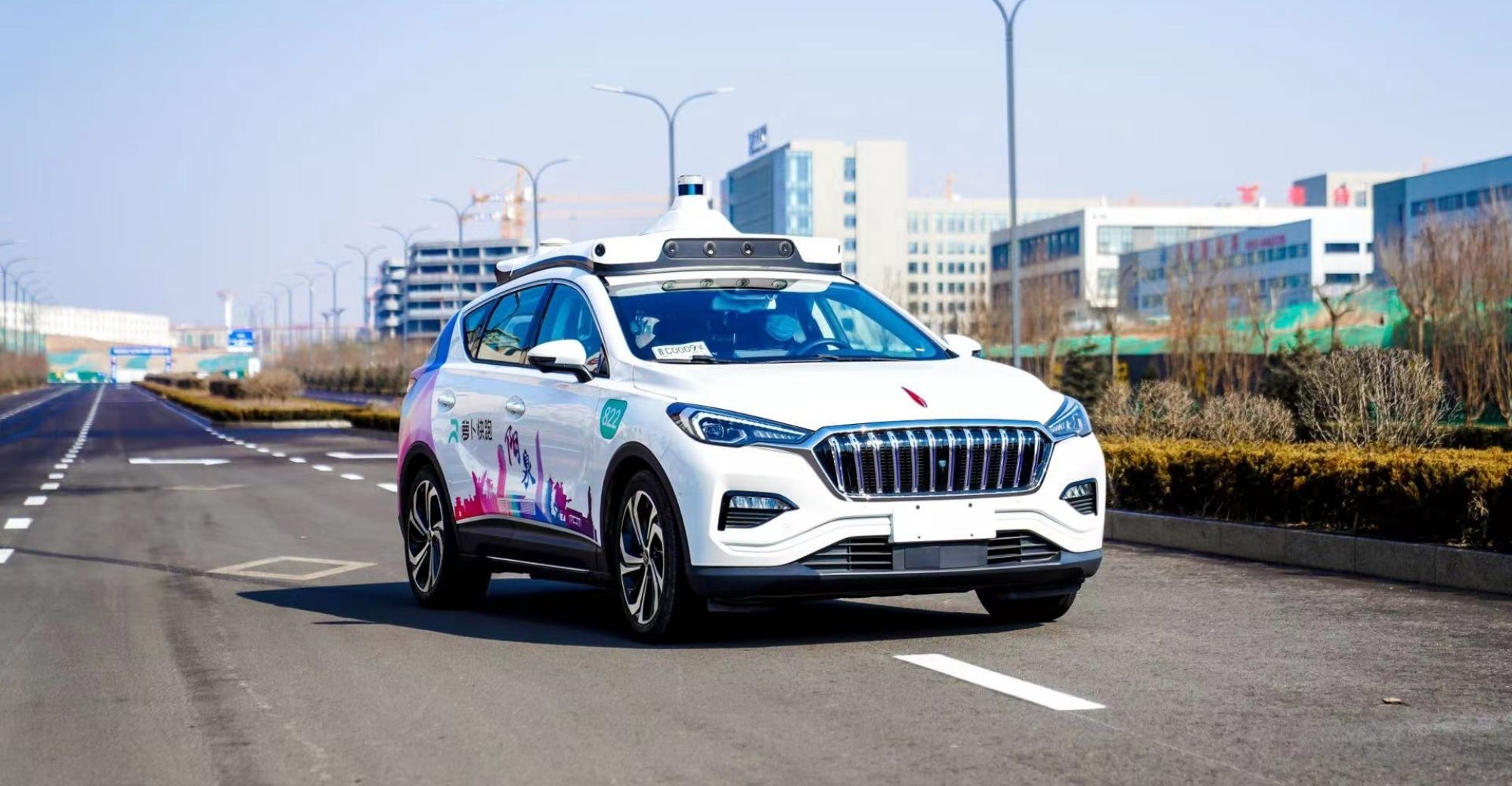
Several robot taxis operated by the Chinese company Baidu caused significant traffic chaos in Wuhan on Tuesday, as passengers were trapped inside the vehicles, leading to traffic disruptions and accidents. The police in Wuhan confirmed receiving multiple reports of the "Apollo Go" robot taxis stopping in the middle of streets, rendering them immobile.
No injuries were reported as a result of this incident, but initial investigations suggest an unspecified "system failure" is behind the issue. Wuhan is a major hub for Baidu's robot taxi operations, with over 500 self-driving cars deployed on its roads. However, it remains unclear how many vehicles were affected, with local reports indicating that at least 100 cars experienced the malfunction.
Details of the Incident
This incident represents one of the biggest challenges Baidu faces in the field of self-driving cars, as concerns about the safety of this technology have increased. According to reports, the robot taxis suddenly stopped in crowded areas, trapping passengers inside, which raised significant concerns about the reliability of this service.
Baidu, considered one of the leading technology companies in China, aims to expand its self-driving car services, operating robot taxis in 26 cities worldwide, including partnerships with companies like Uber in London and Dubai. However, this incident could negatively impact its reputation and global expansion.
Background & Context
Historically, China has shown increasing interest in self-driving car technology, being among the most enthusiastic countries in adopting this technology. However, incidents like this bring back concerns regarding safety and reliability, which may affect public trust in these innovations.
This incident comes at a sensitive time, as major technology companies compete to develop and improve self-driving systems. In recent years, there has been an increase in the number of accidents involving self-driving cars, prompting governments to reconsider laws and regulations related to this technology.
Impact & Consequences
This incident could lead to significant repercussions for the self-driving car industry in China. With growing public concern about the safety of this technology, companies like Baidu may need to enhance safety standards and provide greater assurances to users. This incident may also affect corporate investments in this field, as some companies might hesitate to invest in technology that could be perceived as unsafe.
Moreover, this incident may spark broader discussions about regulating self-driving cars in China, as the government may need to establish stricter standards to ensure passenger safety. Additionally, this incident could lead to a reevaluation of marketing and expansion strategies for major technology companies.
Regional Significance
In the Arab region, where self-driving car technology is still in its early stages, this incident may serve as an important lesson. With increasing interest in modern technology, Arab countries need to consider the experiences of other nations, such as China, to avoid potential pitfalls. Enhancing safety standards will be crucial to attracting investments in this sector.
In conclusion, incidents like this serve as a reminder of the importance of safety in the development of modern technology. As reliance on self-driving cars increases, companies and governments must work together to ensure that these innovations are safe and reliable for users.