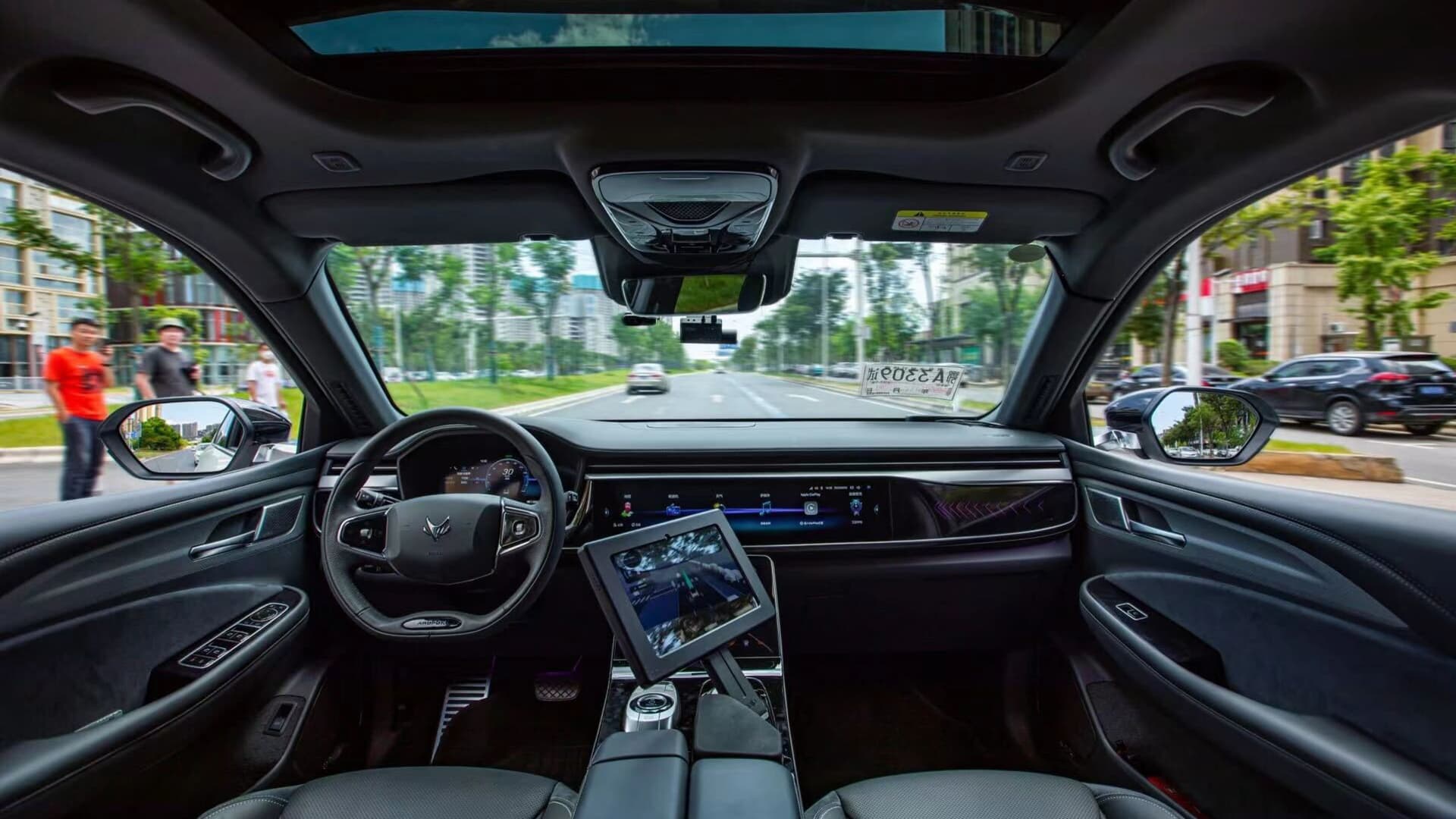
Baidu's robotaxi service, known as Apollo Go, came to a halt amidst traffic in the Chinese city of Wuhan on Tuesday, resulting in several traffic accidents. According to videos circulated on social media, passengers were trapped inside the vehicles, raising alarm over the safety of this cutting-edge technology.
The local traffic management authority in Wuhan confirmed the incident through a statement posted on its official account on the Weibo platform, noting that several Apollo Go vehicles suddenly stopped in the middle of the road. Preliminary investigations indicated that system failures were the cause of these incidents.
Details of the Incident
Local police reported that authorities collaborated with Apollo Go staff to manage the situation, allowing passengers to safely exit the affected vehicles. An investigation is still ongoing to determine the exact causes behind this malfunction.
Wuhan is a major hub for operating robotaxis in China, hosting over 1,000 driverless vehicles. Baidu has heavily invested in developing its autonomous transport unit, similar to Alphabet's investments in the Waymo service in the United States.
Background & Context
Baidu is one of the leading technology companies in China and has launched Apollo Go services in several major cities, including Beijing and Shanghai. In the fourth quarter of 2025, the company reported that it had provided 3.4 million self-driving rides, with weekly rides exceeding 300,000 during peak demand.
Apollo Go faces stiff competition from other self-driving car companies such as WeRide and Pony.AI. Additionally, Tesla, led by Elon Musk, is also developing autonomous vehicles but has yet to launch a commercial service beyond limited trials.
Impact & Consequences
These incidents raise questions about the safety of self-driving cars, especially as their use increases in major cities. While companies claim that these vehicles have not caused significant human injuries, information about accidents remains limited.
Although Chinese regulatory authorities have not issued an official response to the incident, reports indicate that a group of experts from the Chinese Insurance Industry Association is working on plans to establish insurance conditions for self-driving cars, reflecting the growing trend towards adopting this technology in the country.
Regional Significance
In the Arab region, companies like Apollo Go have begun expanding their services, launching autonomous transport services in Abu Dhabi and obtaining the first permit for self-driving tests in Dubai. This development reflects a growing interest in autonomous transport technology in Arab countries, potentially opening new horizons in the field of transportation.
In conclusion, the recent incidents in Wuhan highlight the need for further research and development to ensure the safety of this advanced technology, especially as its use increases worldwide.