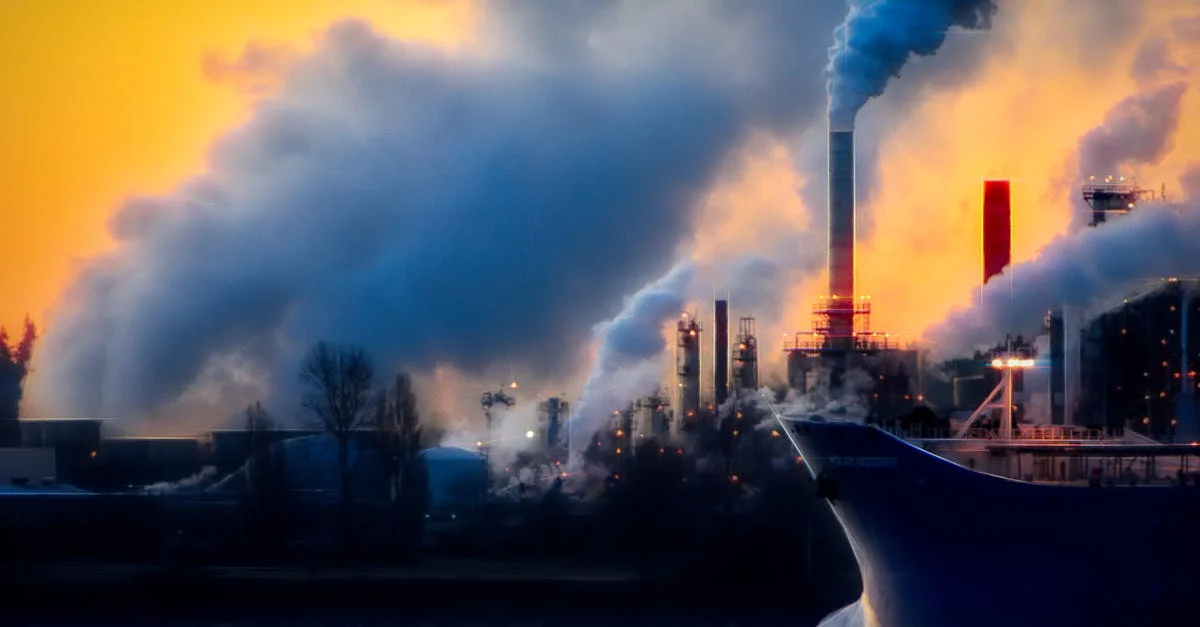
Israeli oil refineries operated by Bazan in Haifa Bay suffered significant damage due to a large fire ignited by a simultaneous rocket attack from Iran and Lebanon targeting northern and central Israel. This attack comes at a time when the United States and Israel have been discussing the elimination of most of Iran's missile capabilities and those of Hezbollah, raising questions about the validity of these claims.
Videos circulated on social media showed flames erupting from the refineries, causing panic among local residents. Firefighting teams were dispatched to the site to control the blaze, while accurate information regarding the extent of the damage or injuries has yet to be reported.
Details of the Incident
The attack, which occurred on Monday, targeted the oil refineries in Haifa Bay, a vital site for oil production in Israel. This incident follows a rise in tensions in the region, with warnings of potential military escalation. Israeli military sources confirmed that the air defenses were unable to fully counter the attack, resulting in the damages.
This attack is part of a series of military escalations between Israel and its allies on one side, and Iran and Hezbollah on the other. Reports indicate that the attack was coordinated between the two parties, complicating the security situation in the region.
Background & Context
Historically, relations between Israel and Iran have been marked by increasing tensions, especially following the Iranian nuclear deal signed in 2015. Israel views Iran as an existential threat, prompting it to take preemptive military actions against any potential threats. Additionally, Hezbollah, backed by Iran, is considered one of Tehran's military arms in the region, increasing security risks.
In recent years, missile attacks by Iran-backed groups have increased, leading to military responses from the Israeli side. However, this latest attack raises questions about the effectiveness of Israeli defenses, particularly in light of discussions surrounding the destruction of Iran's missile capabilities.
Impact & Consequences
The attack on Israeli oil refineries could have significant economic and political repercussions. It may lead to a rise in oil prices in global markets, especially if attacks continue or escalate. Furthermore, this incident could strengthen the position of hardline political forces in Israel, potentially leading to more severe military actions against Iran and Hezbollah.
Moreover, this attack may heighten tensions in the region, threatening stability in neighboring countries. International reactions could also play a role in determining how events unfold in the coming days.
Regional Significance
The attack on Israeli oil refineries highlights the increasing tensions in the region and reflects the ongoing conflict between regional powers. Neighboring Arab countries may be directly or indirectly affected by the escalation of these tensions, particularly concerning prices and the economy.
This event may also evoke memories of past conflicts in the region and increase concerns about regional security. Under these circumstances, there may be an urgent need for diplomatic intervention to ease tensions and prevent further escalation.
In conclusion, the situation in the region remains complex, and the recent attack reflects the security challenges faced by Israel, raising questions about the future of regional relations.