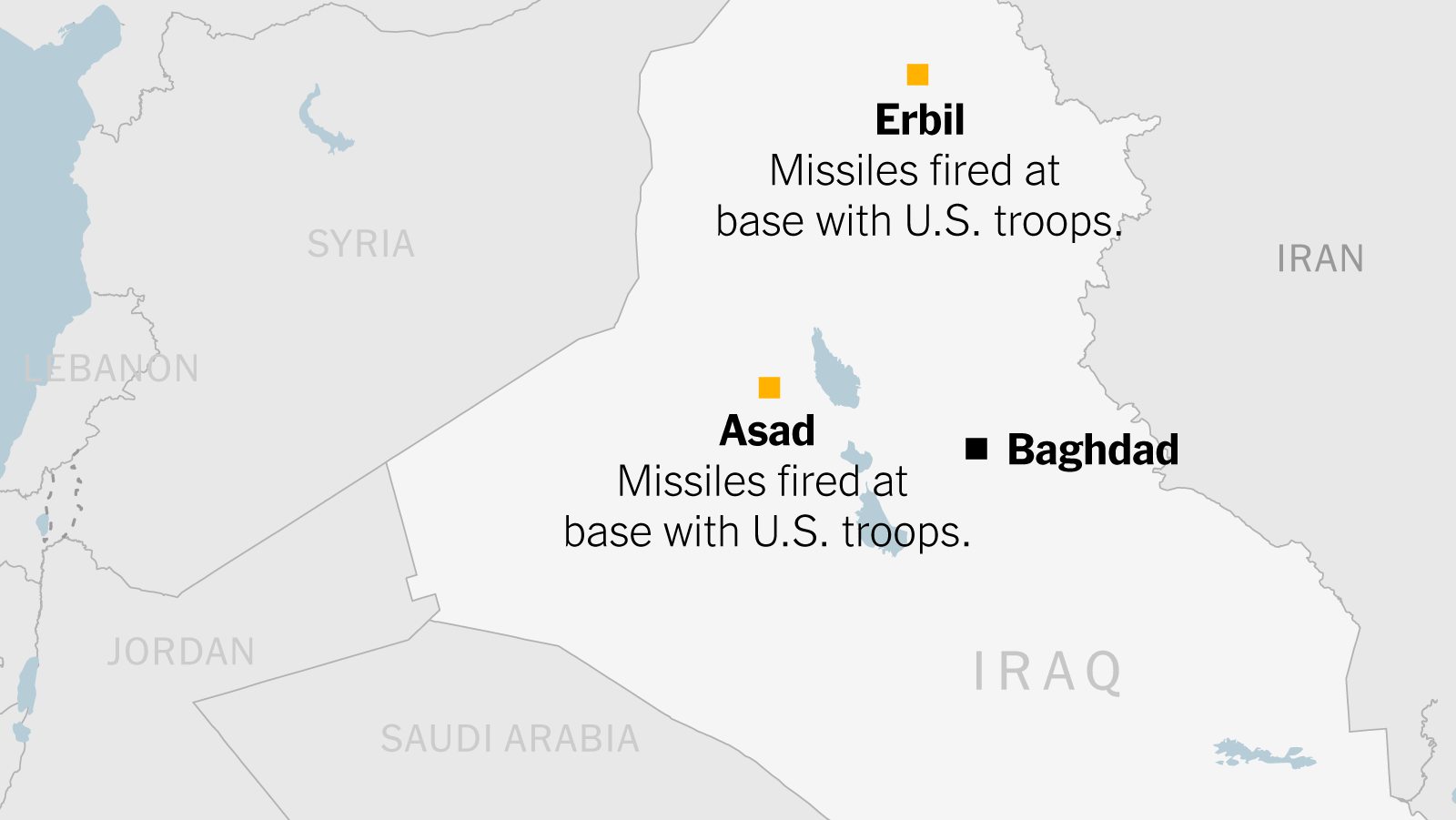
The Al-Shaheed Mohammed Alaa Air Base at Baghdad International Airport, which houses a diplomatic support center affiliated with the U.S. embassy, was struck by a rocket attack early today, resulting in the destruction of an Antonov-132 military aircraft belonging to the Iraqi Air Force. The Iraqi Ministry of Defense confirmed that the attack did not result in any human casualties, noting that relevant authorities have begun assessing the damage and tracking the sources of the rocket fire.
The attack, which was carried out using Grad rockets of 122 millimeters, originated from the outskirts of Baghdad. The Iraqi Ministry of Defense condemned this act, describing it as "criminal and cowardly," emphasizing that the security forces are of the people and their duty is to protect the homeland.
Details of the Incident
In an official statement, the Ministry of Defense confirmed that the attack led to the destruction of the aircraft and that it would not tolerate any attempts to undermine Iraq's security. It also stated that the weapons and equipment in its possession belong to the Iraqi people, and any harm to them constitutes an attempt to destabilize security and stability in the country.
Additionally, an official from the Iraqi Joint Operations Command reported that rockets also landed within the diplomatic support center, causing a fire. These events come at a sensitive time, as security cooperation between Iraq and the United States was announced to be intensified last Friday, aimed at preventing attacks on Iraqi forces and American interests.
Background & Context
These attacks occur amid escalating tensions in the region, especially following the outbreak of war that began with a U.S.-Israeli attack on Iran on February 28, which extended to include Iraq and other countries. Since then, Iranian-backed Iraqi factions have been conducting daily attacks using drones and rockets on bases in Iraq and the region.
Historically, Iraq has witnessed an increase in attacks on American and Iraqi forces, with these factions adopting what is known as the "Islamic Resistance in Iraq." The U.S. embassy and diplomatic support centers have been subjected to several attacks, while air defenses intercepted most of those attacks, which were carried out using rockets or drones.
Impact & Consequences
The recent attack may lead to heightened tensions between Iraq and Iranian-backed armed factions, complicating the relationship between Baghdad and Washington. Furthermore, these events could affect the security stability in the country, as the Iraqi government seeks to strengthen its defensive capabilities in cooperation with the United States.
It is noteworthy that Iraqi security forces face significant challenges in confronting these factions, which possess the capability to execute complex attacks. The Iraqi government is expected to take stringent measures to address these threats, including enhancing cooperation with American forces.
Regional Significance
This attack reflects the tense security situation in Iraq, which directly impacts stability in the Arab region. The tensions between Iraq and Iran, along with external interventions, make it difficult to achieve peace and security in the area.
Moreover, the escalation of attacks on American and Iraqi forces could lead to increased tensions between the United States and Iran, potentially affecting relations between Arab countries and the West. Under these circumstances, Iraq remains at the heart of the regional conflict, necessitating clear positions from Arab nations regarding these developments.
In conclusion, Iraq remains resilient against targeting and sabotage attempts, but the security challenges require an effective response from the Iraqi government and the international community to maintain the country's stability and security.