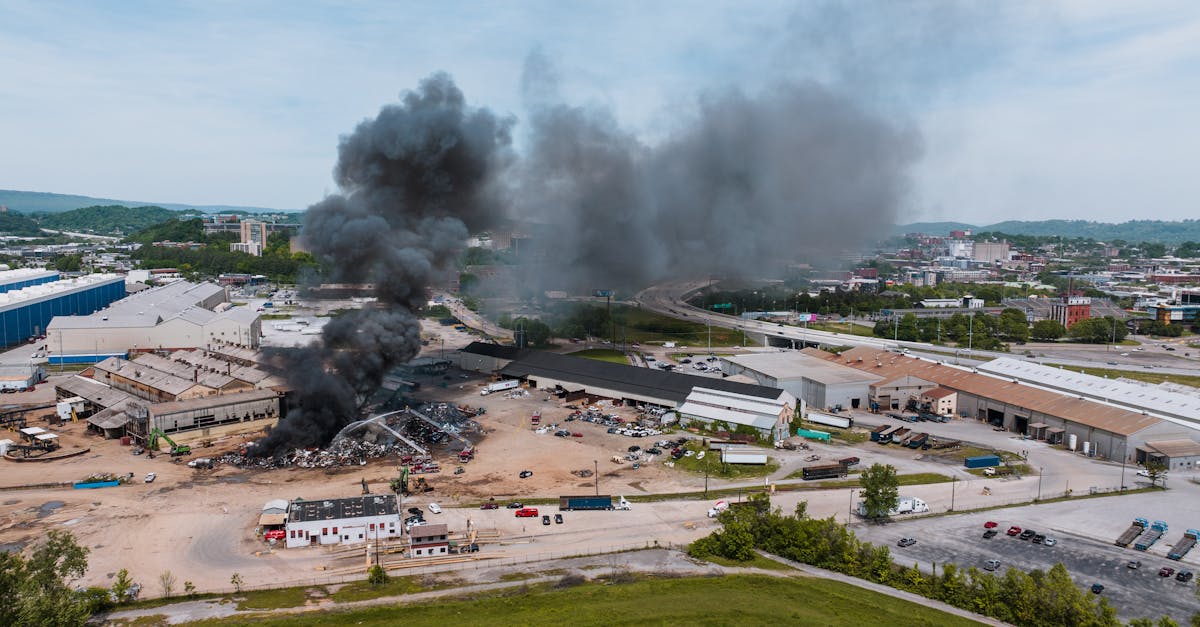
Kuwait, Saudi Arabia, and the UAE have been subjected to escalating attacks via rockets and drones, causing deep concern in the region. On Monday morning, Kuwait announced the interception of four drones at various locations, while Saudi Arabia confirmed the interception of five ballistic missiles targeting the Eastern Province.
Earlier, Kuwait reported that one of its service buildings at a power generation and water distillation station was attacked by Iranian forces, resulting in the death of an Indian worker and significant damage to the building. In this context, the Kuwaiti Ministry of Defense detected 14 ballistic missiles and 12 drones within the country's airspace.
Details of the Incident
The Kuwaiti National Guard announced its success in intercepting four drones, with spokesperson Jadaan Fadhil Jadaan explaining that the task force managed to counter these drones in their areas of responsibility. The Kuwaiti Ministry of Defense also confirmed that the total aerial threats recorded since the onset of aggression on February 28, 2026, amounted to 307 ballistic missiles and 616 drones.
On another front, the Qatari Ministry of Foreign Affairs condemned the Iranian attacks on Kuwait, emphasizing the need to halt these unjustified assaults. Additionally, Qatar's Civil Defense reported that it managed to control a fire in a garage in the industrial area without any injuries.
Background & Context
These attacks come amid a growing regional escalation, as the area has been witnessing an Israeli-American war against Iran since late February. This conflict has resulted in hundreds of casualties, prompting Tehran to respond by launching missiles and drones towards Israel, as well as targeting what it describes as "American interests" in the region.
In Saudi Arabia, the Ministry of Defense announced the interception of 53 ballistic missiles and 1,001 drones since the beginning of the aggression. The UAE also confirmed that the sounds of explosions heard in Dubai were due to successful interceptions by air defenses, which dealt with 414 ballistic missiles and 1,914 drones.
Impact & Consequences
These assaults underscore the rising tensions in the Gulf region, where countries like Kuwait, Saudi Arabia, and the UAE are facing ongoing threats. The Iranian attacks have resulted in casualties and injuries in several Gulf nations, increasing pressure on governments to secure their borders and protect their citizens.
Moreover, these developments may lead to changes in the defensive strategies of Gulf countries, which may need to bolster their military capabilities to counter the escalating threats. This situation reflects the urgent need for regional and international cooperation to address security challenges.
Regional Significance
These events significantly impact stability in the Arab region, highlighting the necessity for comprehensive dialogue among the involved countries to alleviate tensions. Additionally, military escalation could lead to economic and social repercussions affecting the lives of citizens in Gulf states.
In conclusion, the situation in the Gulf remains under scrutiny, with the international community needing to take effective steps to reduce escalation and ensure security and stability in the region.