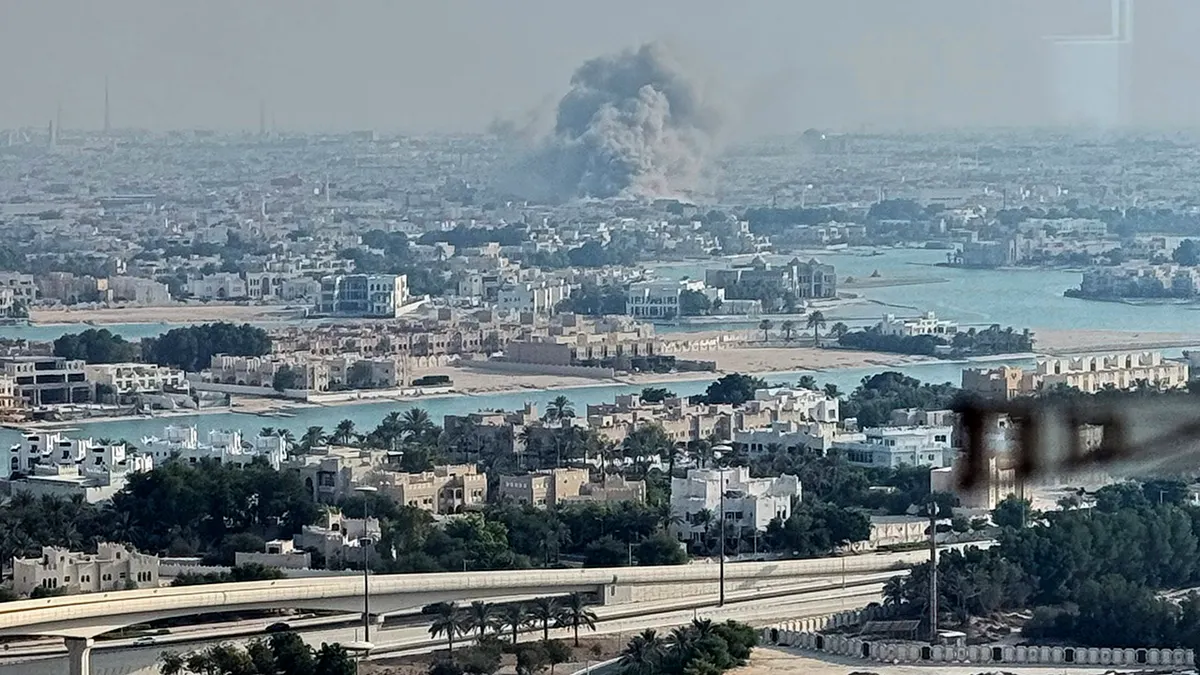
Several liquefied natural gas (LNG) facilities in Ras Laffan, Qatar, were targeted by rocket attacks, as announced by Qatar Energy. These attacks on vital installations occur during a sensitive period of increasing tensions in the region, raising alarms about energy security.
Ras Laffan is considered one of the largest LNG production centers in the world, playing a pivotal role in meeting global market demands. The rocket attacks, for which no group has claimed responsibility yet, could significantly impact production and export operations.
Details of the Incident
Reports indicate that the attacks occurred late at night, resulting in the destruction of some facilities and severe damage to others. Qatari authorities confirmed that they are assessing the damage and taking necessary measures to ensure the safety of the installations and personnel.
These events are expected to affect the global gas market, especially with rising energy demand during the winter season. Additionally, these attacks could lead to price increases in global markets, adversely impacting consumers.
Background & Context
These attacks come amid escalating tensions in the region, where several neighboring countries are experiencing conflicts and political crises. Qatar, one of the largest LNG producers, faces increasing security challenges under these circumstances.
Over the past years, Qatar has sought to enhance the security of its vital facilities, but these attacks indicate that threats remain. The Qatari government has reaffirmed its commitment to protecting its national interests and ensuring the continuity of production.
Impact & Consequences
The attacks on LNG facilities could lead to widespread economic repercussions. If the attacks continue or recur, this could affect Qatar's ability to meet its export commitments, potentially leading to a loss of investor confidence in the market.
Moreover, these events may open the door for further military or political interventions by neighboring countries, complicating the security situation in the region. It is crucial for global markets to closely monitor these developments.
Regional Significance
Events in Qatar impact regional stability, as energy security is one of the key factors influencing relations among Arab countries. Any escalation in tensions could lead to broader conflicts in the region, affecting all Arab nations.
Under these circumstances, Arab countries must work together to enhance energy security and avoid any escalation that could harm their shared interests. Regional cooperation will be essential to ensure market stability and protect national interests.
In conclusion, attention remains focused on the developments in Ras Laffan, as these events could significantly affect the future of energy in the region and the world.