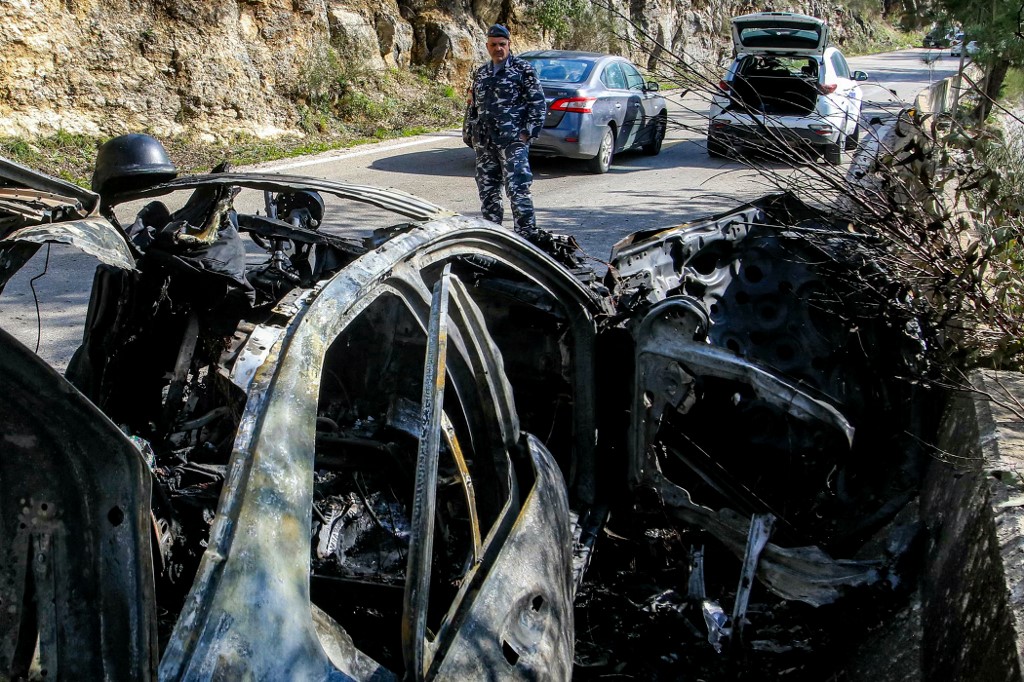
A rocket strike in northern Iraq has resulted in the death of a fighter from the Popular Mobilization Forces and injured six others, according to security and medical sources. The attack, which took place near Kirkuk Airport, comes at a time when regional tensions are escalating due to military pressures from the United States and Israel on Iran. While the responsible party for the attack remains unclear, reports suggest that either U.S. or Israeli forces may be behind this strike.
This incident occurs at a sensitive time for Iraq, where the government faces increasing pressure from armed groups targeting American sites in the country. Both Baghdad and Washington have confirmed that they will enhance cooperation to mitigate these attacks, reflecting the growing tensions in the region.
Details of the Incident
The rocket attack targeting a military base near Kirkuk Airport is part of a series of assaults on Popular Mobilization sites, which are considered part of the Iraqi armed forces. Sources reported that the attack resulted in the death of one fighter and injuries to six others, highlighting the increasing risks faced by Iraqi forces amid escalating regional tensions.
In a related context, reports indicated that a drone crashed in the Majnoon oil field without detonating, causing no damage or injuries. These incidents point to a rise in military activities in the region, as attacks on American and Iraqi assets increase.
Background & Context
Historically, Iraq has witnessed a surge in military activities since 2003, when U.S. forces invaded the country. Since then, the nation has become a battleground for regional and international conflicts, with major powers competing for influence. The Popular Mobilization Forces, formed in 2014 to combat ISIS, have become an essential part of the Iraqi armed forces, but they are also a target for external pressures.
In recent years, attacks on U.S. forces in Iraq have increased, as Iranian-backed armed groups seek to retaliate against military pressures faced by Tehran. These dynamics make Iraq a theater of conflict between regional and international powers, complicating the security situation in the country.
Impact & Consequences
The increasing attacks on Popular Mobilization Forces indicate rising tensions in Iraq and may lead to greater escalation in regional conflict. If these attacks continue, they could provoke reactions from the Iraqi government, further complicating the security situation in the country. Additionally, cooperation between Baghdad and Washington may be tested under these tense circumstances.
Moreover, the escalation of violence in Iraq could affect regional stability, potentially leading to an escalation of the conflict between Iran and the United States, adversely impacting the security situation in neighboring countries.
Regional Significance
The repercussions of this attack extend beyond Iraq, as the rising violence in the country could impact the stability of the Arab region as a whole. Neighboring countries, such as Syria and Jordan, may be directly affected by any escalation in the conflict, increasing security risks in the region.
Ultimately, the continuation of these dynamics could exacerbate humanitarian and economic crises in the region, necessitating urgent action from Arab states to address these challenges.