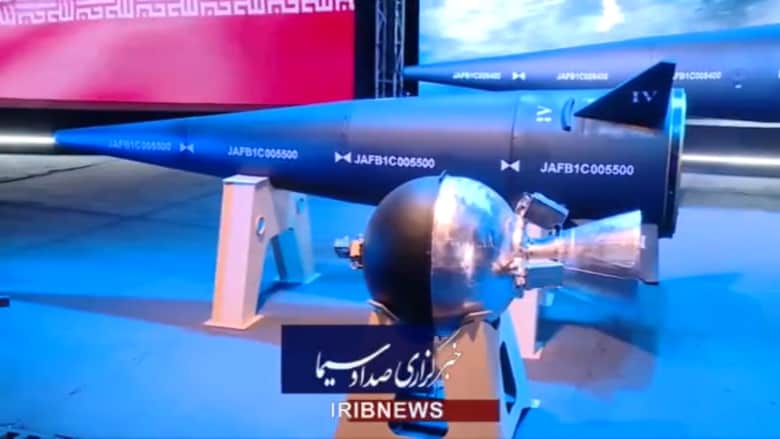
An Israeli news channel reported that the rocket targeting Tel Aviv contains a cluster warhead, distributing 3 to 4 bombs, each weighing 100 kilograms. These developments come as tensions in the region escalate, raising concerns about the security situation in Israel and Palestine.
The targeting of Tel Aviv reflects a significant escalation in military operations, indicating that the involved parties may be on the verge of entering a new cycle of violence. This attack follows a series of tense events in the region, increasing fears of a larger escalation that could impact regional security.
Details of the Incident
According to reports, the rocket launched at Tel Aviv is part of a coordinated effort by armed groups in Gaza, aiming to deliver a strong message to the Israeli government. The use of a cluster warhead reflects a development in the military capabilities of these groups, complicating the security situation in the area.
Tel Aviv is a vital center in Israel, and any attack targeting it carries significant political and military implications. The recent attack highlights the security challenges faced by the Israeli government in maintaining the safety of its citizens, especially amid the rising rocket attacks from Gaza.
Background & Context
Historically, the relations between Israel and the Palestinians have been marked by ongoing tensions, with clashes between the two sides escalating periodically. Rocket attacks from Gaza on Israeli cities are not new, but they come in a changing context, as international pressure on Israel to halt its military operations in Palestinian territories increases.
In recent years, Gaza has seen improvements in the military capabilities of armed groups, enabling them to carry out more precise and impactful attacks. This development raises concerns within the international community, which seeks to find peaceful solutions to the ongoing conflict.
Impact & Consequences
The attack on Tel Aviv may lead to military responses from the Israeli army, potentially exacerbating the security situation in the region. Military escalation could worsen the humanitarian conditions in Gaza, where residents are suffering from severe shortages of essential resources.
Any escalation in military operations could negatively affect peace efforts and increase instability in the region. The international community, including the United Nations, may feel pressured to mediate urgently to prevent further deterioration of the situation.
Regional Significance
The repercussions of this attack extend beyond Israel and Palestine, potentially affecting the stability of neighboring countries. Arab nations striving for peace and stability in the region may find themselves in a difficult position, needing to address the consequences of any military escalation.
Moreover, the tense situation may lead to increased popular support for armed groups in the region, potentially shifting the balance of power in the Israeli-Palestinian conflict. This situation requires Arab countries to take clear positions regarding ongoing events and work to support peace efforts.
In conclusion, the attack on Tel Aviv represents a turning point in the ongoing conflict and reflects the significant challenges facing the region. It is essential for the involved parties to avoid escalation and seek peaceful solutions that ensure security and stability for all.