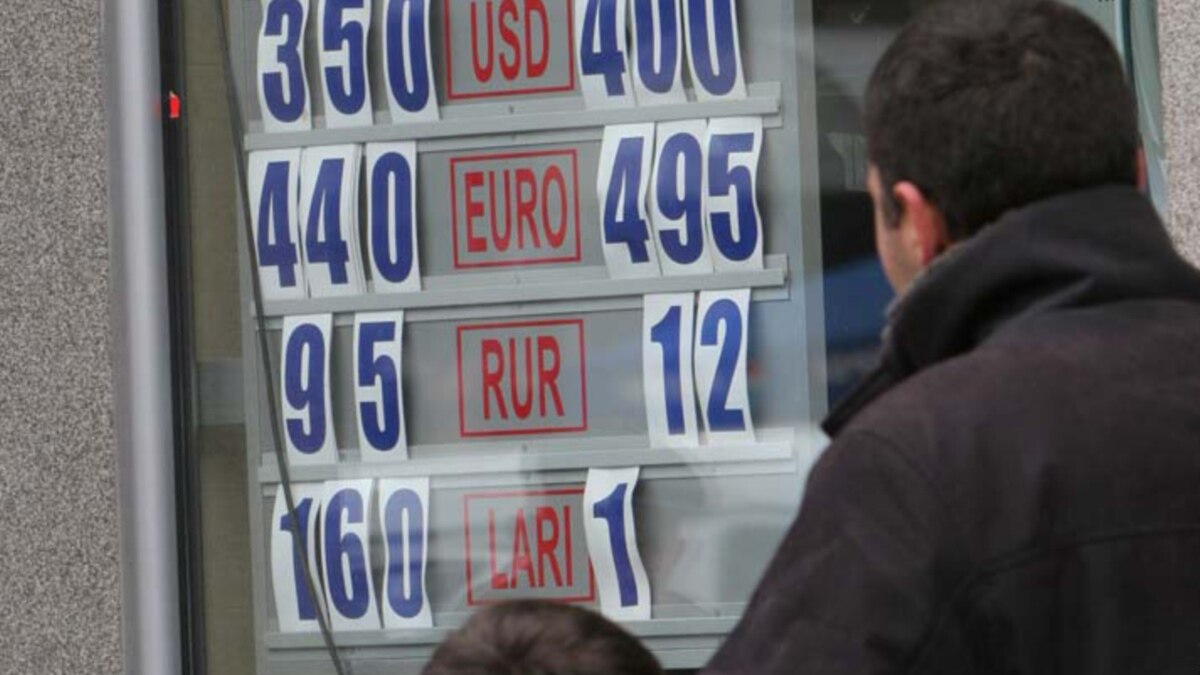
In March, the Romanian Central Bank spent over €1 billion (approximately $1.2 billion) in an effort to protect its currency from the negative effects of global disruptions triggered by the conflict in the Middle East. Reports indicate that this move was prompted by increasing concerns regarding the stability of global financial markets.
These measures come at a time when the global economy is facing significant challenges, as events in the Middle East have led to sharp fluctuations in financial markets, impacting many currencies worldwide. An informed source indicated that the central bank took this step as a precautionary measure to maintain the stability of the national currency.
Details of the Event
Amid the turmoil experienced in global markets, the Romanian Central Bank was compelled to take swift action to protect its currency. The Romanian currency, the leu, faced significant pressure due to market fluctuations, prompting the bank to intervene directly. Data showed that the central bank sold foreign currency reserves to support the value of the leu.
This action is part of a broader strategy aimed at enhancing financial stability in Romania, as the central bank seeks to avoid any negative repercussions that could affect the local economy. Economists have noted that these measures reflect the importance of maintaining currency stability in the face of changing global conditions.
Background & Context
Historically, Romania has experienced fluctuations in its currency due to global economic crises. In recent years, the central bank has frequently intervened to protect the leu from external pressures. With the escalation of conflicts in the Middle East, the situation has become more complex, as oil and commodity prices have risen, affecting developing economies like Romania.
The conflict in the Middle East is considered one of the main factors influencing global markets, leading to increased uncertainty and impacting investment flows. These conditions have heightened pressures on currencies in many countries, making interventions by central banks necessary.
Impact & Consequences
The repercussions of this move extend beyond Romania's borders, reflecting growing concerns about global financial stability. The intervention by the Romanian Central Bank may have positive effects on the local market, as it could help restore confidence among investors and consumers. However, ongoing disruptions in global markets may lead to new challenges.
This event underscores the importance of rapid responses from central banks in the face of crises. It also highlights the need for effective strategies to maintain financial stability under changing conditions. Any decline in currency value can lead to increased inflation and affect the purchasing power of citizens.
Regional Significance
The events in Romania are part of a larger picture affecting the global economy, including Arab countries. The conflicts in the Middle East impact oil and commodity prices, which in turn reflect on the economies of Arab nations that heavily rely on oil exports. Additionally, fluctuations in global financial markets may affect Arab investments abroad.
In light of these circumstances, Arab countries must be prepared to face the economic challenges arising from global disruptions. Strengthening economic cooperation among Arab nations may be one of the solutions to tackle these challenges.