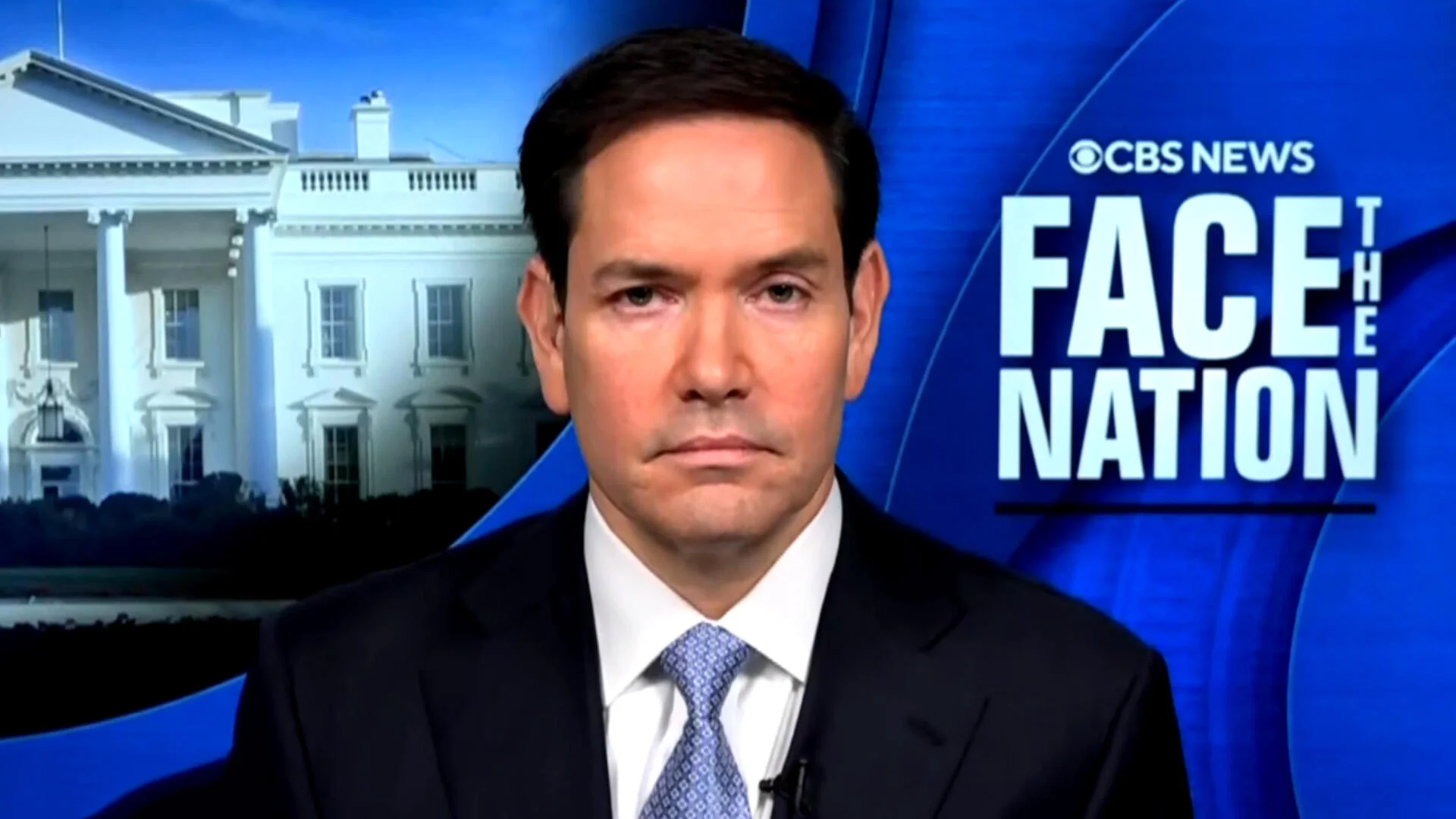
U.S. Senator Marco Rubio has revealed a lack of clarity regarding leadership in Tehran, stating that the United States currently does not know who is in charge of Iran. He indicated that there is direct communication between the United States and certain Iranian entities, raising questions about the nature of relations between the two countries.
Rubio's remarks come amid rising tensions between Iran and the United States, especially following a series of events in the region, including attacks on oil facilities and cyberattacks. These statements reflect a state of uncertainty in U.S. foreign policy towards Iran, as American officials seek to understand the internal dynamics in Tehran.
Details of the Event
During a recent event, Rubio confirmed that the United States is receiving conflicting information about who is in control in Iran. He explained that there are direct communication channels with certain Iranian entities, which allows the United States a better opportunity to understand the situation. These statements come at a sensitive time, as fears of potential military escalation in the region increase.
Rubio also noted that these communications may be necessary to avoid any unwanted escalation, especially given the rising tensions between Iran and the United States. This is considered important in the context of the diplomatic efforts being made by Washington to engage with Tehran.
Background & Context
Historically, relations between Iran and the United States have been marked by severe tensions since the Islamic Revolution in 1979. Since then, Iran has become a focal point in U.S. foreign policy, as Washington seeks to curb its influence in the region. In recent years, tensions have notably escalated, particularly after the U.S. withdrawal from the Iranian nuclear deal in 2018.
Several factors influence the relationship between the two countries, including Iran's nuclear program, its support for armed groups in the region, and cyberattacks targeting U.S. infrastructure. All these factors make it difficult for the United States to determine who is in charge in Tehran.
Impact & Consequences
Rubio's statements may influence U.S. foreign policy towards Iran, potentially prompting a reassessment of strategies for dealing with Tehran. If the United States continues to exchange messages with Iranian entities, it may open the door to new diplomatic opportunities, but it could also face criticism from some political circles that view this communication as undermining Washington's position.
Moreover, these remarks could increase pressure on the Iranian government, as such communications might be seen as a sign of weak leadership in Tehran. At the same time, Iran may exploit this situation to bolster its internal position by portraying the United States as an adversary seeking to interfere in its domestic affairs.
Regional Significance
The relationship between Iran and the United States significantly impacts the situation in the Arab region. Tensions between the two countries affect security and stability in nations such as Iraq, Syria, and Lebanon. Any escalation in relations could have negative repercussions for neighboring countries, increasing instability in the region.
Simultaneously, some Arab countries may seek to leverage these tensions to strengthen their relationships with either the United States or Iran, complicating the political landscape in the region. Under these circumstances, the situation in Tehran remains under scrutiny, as the world closely monitors developments.