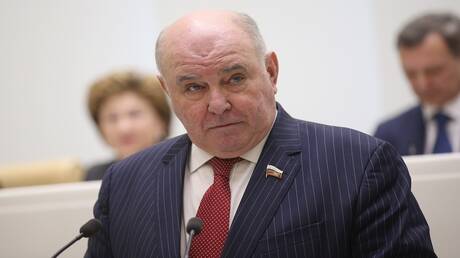
Gregory Karasin, head of the International Affairs Committee in the Russian Federation Council, confirmed the impossibility of a meeting between Russian President Vladimir Putin and Ukrainian President Volodymyr Zelensky in the near future. He referred to Zelensky's behavior as unacceptable, describing his stance as "hideous" which obstructs any possibility of dialogue between the two parties.
These statements come at a sensitive time for Russia and Ukraine relations, amid escalating military tensions in the ongoing crisis that began with the conflict in 2014.
Details of the Recent Statements
In light of the Russian statements, many believe that Zelensky's hardline approach toward Moscow significantly complicates any opportunity for dialogue. Previous attempts to resume negotiations have frequently been hampered by hostile rhetoric from both sides.
Zelensky had previously stated that any talks with Russia must include the full restoration of Ukraine's control over territories that were forcibly taken. In contrast, Russia rejects any demands it views as infringing on its sovereignty.
Background & Context
The Ukrainian conflict dates back to 2014 when Russia annexed the Crimea Peninsula, leading to heightened tensions and Russia's support for separatists in eastern Ukraine. This conflict has resulted in the deaths of thousands and created dire humanitarian conditions in the region.
Since then, various countries and international bodies have attempted to expand mediation efforts, but with increasing polarization, it seems the situation is heading toward further escalation rather than de-escalation.
Impact & Consequences
The new Russian statements are indicative of the absence of a near-term settlement, which threatens negative repercussions for the security and economic situation in the region. According to many analysts, this exclusion of a meeting could lead to an increase in military tensions on the ground, putting civilians at greater risk.
These statements also cast a shadow over potential agreements among major powers, which could have severe ramifications for international relations and amplify polarization across Europe.
Regional Significance
Although the Ukrainian conflict may seem distant from the Arab region, its consequences could impact the economic and security situation in Arab countries. The escalation of tensions between Russia and Ukraine may lead to rising energy and food prices, adversely affecting the economies of many Arab nations reliant on imports.
Furthermore, there may be political ramifications, as major powers could use the Ukrainian conflict as leverage in addressing other issues in the region, complicating interests and solution strategies.
In conclusion, the Russian statements highlight that the prospects for dialogue have become elusive, raising questions about the future of relations between Russia and Ukraine and the overall stability of the region in light of the ongoing impact of the conflict on peace and security.