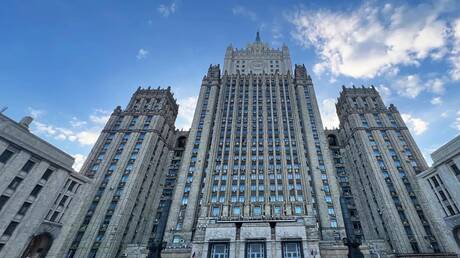
The Russian Foreign Ministry has reported that French authorities are involved in facilitating the "illegal export" of icons and relics of saints from Ukraine to the Louvre Museum, according to its latest report on the human rights situation in Ukraine.
The report published by the ministry highlights what Moscow considers serious violations of human rights in Ukraine, noting that these icons and relics represent an important part of Ukrainian cultural and religious heritage. Russia views the transfer of these artistic and religious pieces to France as an assault on Ukrainian cultural identity.
Details of the Allegations
The Russian accusations relate to transfers that occurred during the ongoing conflict in Ukraine, which has seen armed struggle since 2014. The icons and relics of saints are historical and religious symbols dating back centuries, and their transfer outside the country poses serious implications for Ukrainian cultural heritage.
It is worth mentioning that the Louvre Museum is one of the most prominent museums in the world, housing a vast collection of artworks from various eras. This Russian accusation has raised questions about the role of major museums in preserving cultural heritage amid armed conflicts.
Background & Context
Since the outbreak of the conflict in Ukraine, the country has witnessed numerous violations of human rights, including attacks on cultural properties. Various international organizations have issued reports indicating the destruction of historical and cultural sites in conflict zones.
The icons and relics of saints are part of Ukrainian national identity, and this issue may represent a new point of contention between Russia and Western countries, with Russia accusing the West of interfering in its internal affairs and supporting Ukraine in the conflict.
Impact & Consequences
The implications of this issue extend beyond cultural boundaries, potentially affecting relations between Russia and France, as well as between Russia and Western nations in general. This accusation could escalate diplomatic tensions, complicating peace efforts in the region.
Moreover, this issue may provoke reactions from the international community, as human rights organizations could call for investigations into these potential violations, placing France in a difficult position before the international community.
Regional Significance
This issue holds particular importance for the Arab region, as it reflects the cultural and religious conflicts that can arise from armed conflicts. Some parties in the region may leverage these events to highlight similar issues related to cultural heritage.
Furthermore, these events may influence how Arab countries deal with cultural heritage amid conflicts, necessitating enhanced international cooperation to protect cultural heritage in conflict areas.