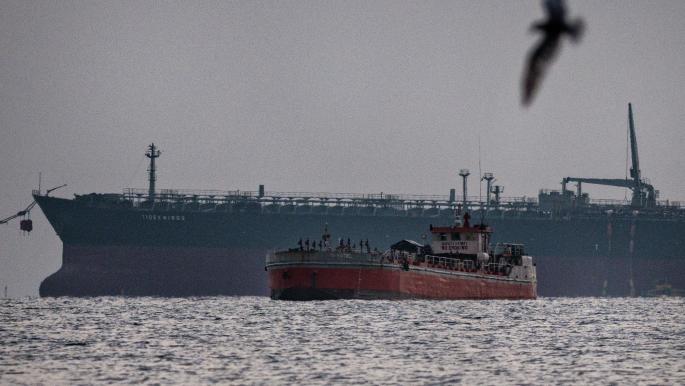
In April, Russian oil sales tax revenues reached $9 billion, a figure that indicates a notable recovery in revenues following the lifting of Western sanctions on the Russian energy sector. This increase comes at a time when the global market is witnessing a rise in oil prices, contributing to strengthening Russia's financial situation under current circumstances.
These revenues serve as an indicator of Russia's ability to adapt to the economic pressures resulting from the ongoing conflict in Ukraine, as it has managed to boost its revenues despite significant challenges. This investment success reflects Russia's capability to capitalize on the rise in global oil prices, thereby enhancing its financial position on the international stage.
Details of the Event
In more detail, reports indicate that the rise in oil prices resulted from increased global demand, along with production cuts from some producing countries. Russia, which is one of the largest oil producers in the world, has been able to exploit these conditions to its advantage, significantly contributing to the increase in its tax revenues.
This surge in revenues also reflects Russia's swift response to market changes, as it adjusted its production and marketing strategies to meet the growing demand. Additionally, the lifting of sanctions on certain sectors has contributed to improving its financial standing, allowing it to continue funding its military and economic activities.
Background & Context
Since the onset of the conflict in Ukraine, Russia has faced a series of economic sanctions that have impacted multiple sectors, including energy. However, Moscow has managed to navigate these sanctions by developing new trade relationships with other countries, particularly in Asia. This shift in trade strategies has helped Russia maintain a steady flow of oil revenues despite Western pressures.
Historically, oil revenues have always constituted a fundamental part of the Russian economy, heavily relying on them to finance the public budget. As the conflict continues, it has become essential for Russia to bolster these revenues to secure its economic stability.
Impact & Consequences
The implications of this revenue increase extend beyond mere financial figures, as it could influence Russia's domestic and foreign policy. With rising revenues, the Russian government may feel more empowered in decision-making, whether in military or economic matters.
Moreover, these revenues could strengthen Russia's position in international negotiations, potentially using them as leverage against Western nations. At the same time, these gains may lead to heightened tensions with sanctioning countries, complicating the geopolitical landscape in the region.
Regional Significance
For the Arab region, this development may have multiple ramifications. The rise in oil prices could lead to increased revenues for oil-producing countries in the Middle East, enhancing their economic stability. Conversely, this situation may increase competition among producing nations, including Russia and Arab countries.
Furthermore, the ongoing conflict in Ukraine may impact global oil prices, reflecting on Arab markets. Therefore, it is crucial to closely monitor these developments to understand how they might affect Arab economies.
In conclusion, the increase in Russian oil tax revenues signifies Russia's ability to adapt to challenging conditions. As the conflict persists, the question remains regarding how these revenues will impact Russian domestic and foreign policy, as well as the global economy.