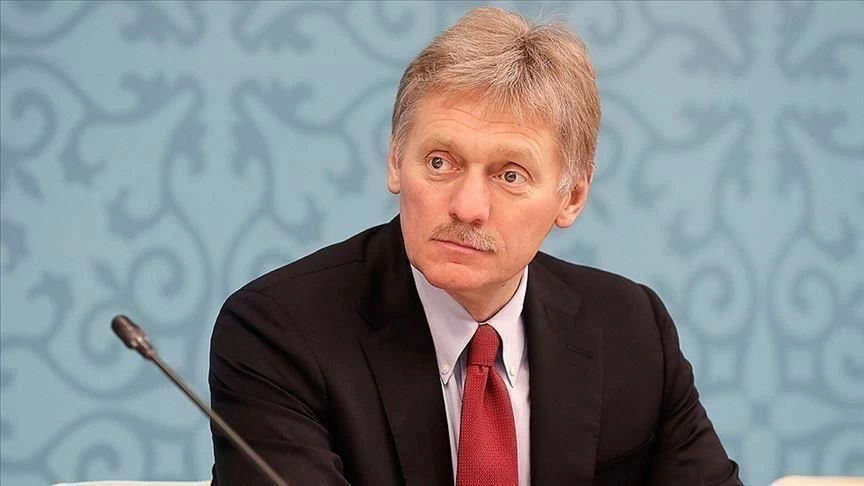
The Kremlin has reaffirmed Russia's commitment to the OPEC+ alliance, denying any intention to withdraw, following the announcement by the United Arab Emirates (UAE) of its exit from the Organization of the Petroleum Exporting Countries (OPEC) and the OPEC+ alliance. This statement was made by Kremlin spokesperson Dmitry Peskov, who clarified that Russia is not considering withdrawal from OPEC+ at this time, stressing Moscow's desire to maintain the coalition's framework despite recent changes in the organization's structure after the UAE's decision.
Peskov noted that the existing agreements within OPEC+ have proven effective in calming global oil markets, adding that the continuation of this framework remains a crucial factor in achieving balance and stability in the markets. This affirmation comes at a sensitive time when oil markets are experiencing significant fluctuations, highlighting the importance of cooperation among OPEC+ member states.
Details of the Event
On Tuesday, the United Arab Emirates officially announced its withdrawal from OPEC and OPEC+, effective May 1, 2026. This decision comes as the UAE seeks to enhance its independence in managing its oil production, which could impact global market dynamics.
The OPEC+ alliance, which includes 23 countries, including Russia and the UAE, has undergone notable changes in recent years, as member states' interests vary amid global economic challenges. Nevertheless, Russia still views the alliance as an effective means to stabilize oil markets.
Background & Context
The OPEC+ alliance was established in 2016 in response to declining global oil prices, with member countries convening to coordinate production to support prices. Since then, the alliance has demonstrated its effectiveness in achieving a relative balance in the market, despite the challenges it has faced, including the COVID-19 pandemic and its impact on global demand.
The UAE's withdrawal may raise questions about the future of OPEC+, especially given some countries' new trends toward increasing production independently. The UAE had previously announced plans to boost its production capacity, reflecting its desire to enhance its role in the global market.
Impact & Consequences
The UAE's withdrawal from OPEC+ could lead to significant changes in production and pricing strategies, as the UAE is considered one of the largest producers in the organization. This decision may open the door for other countries to consider similar options, potentially affecting price stability in the global market.
On the other hand, Russia, which is one of the prominent members of OPEC+, seeks to maintain market balance through cooperation with member countries. The affirmation of no withdrawal reflects Moscow's desire to enhance market stability, especially amid global economic challenges.
Regional Significance
The UAE's withdrawal from OPEC+ may impact economic relations among Arab countries, as the UAE is one of the economic powerhouses in the region. This decision could pave the way for increased competition among oil-producing countries in the region, leading to changes in production strategies.
Furthermore, Russia's continued participation in the alliance reflects the importance of cooperation among major energy-producing countries, which may contribute to enhancing stability in the region. Amid economic and political challenges, cooperation among Arab countries remains an urgent necessity to achieve common goals.