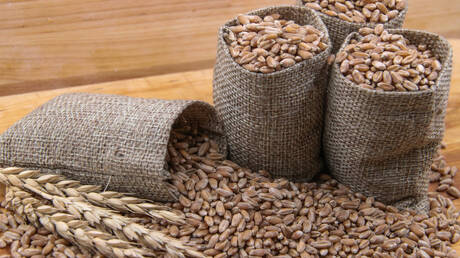
Russian Agriculture Minister Oksana Lut has declared that Russia will achieve record grain exports of 60 million tons during the 2025-2026 agricultural season. These figures confirm Russia's continued dominance as a leading wheat exporter worldwide.
This announcement comes at a time when global markets are experiencing intense competition among grain-producing countries, with Russia aiming to strengthen its position amid economic and political challenges. This significant investment success in the Russian agricultural sector reflects notable developments in recent years.
Details of the Achievement
According to reports, Russia has managed to attain this milestone due to improvements in agricultural techniques and an increase in wheat cultivation areas. Favorable climatic conditions have also contributed to enhanced productivity, enabling the country to meet the rising global demand for wheat.
Today, Russia is considered one of the largest wheat-exporting nations, primarily competing with countries like the United States and Canada. Government strategies have played a crucial role in enhancing the competitiveness of Russian agricultural products, making them the preferred choice for many importing nations.
Background & Context
Over the past few years, Russia has undergone a significant transformation in its agricultural sector, implementing numerous reforms that have helped increase production and improve quality. Both foreign and domestic investments have played an essential role in this transformation, contributing to Russia's strengthened position in global markets.
Historically, Russia has been regarded as one of the major agricultural countries, but following the collapse of the Soviet Union, the nation faced considerable challenges in this sector. Nevertheless, Russia has managed to regain its status thanks to effective agricultural policies and ongoing government support.
Impact & Consequences
These figures are a positive indicator for the Russian economy, reflecting the country's ability to achieve self-sufficiency and meet global market needs. Additionally, the increase in exports may improve Russia's trade balance and strengthen the national currency.
On the other hand, these figures could impact wheat prices in global markets, as the expected rise in Russian exports may stabilize or even lower prices, benefiting consumers in importing countries.
Regional Significance
Arab countries are among the largest importers of Russian wheat, with many nations relying on these supplies to meet their food needs. Consequently, the increase in Russian exports could lead to stabilized wheat prices in the region, contributing to enhanced food security in the Arab world.
In light of the economic challenges faced by some Arab nations, these supplies may help alleviate pressures on national budgets and promote economic stability.
The continued achievement of these record figures by Russia reflects the strength of the Russian agricultural sector and its ability to compete in global markets, thereby reinforcing its position as a key supporter of food security in many countries.