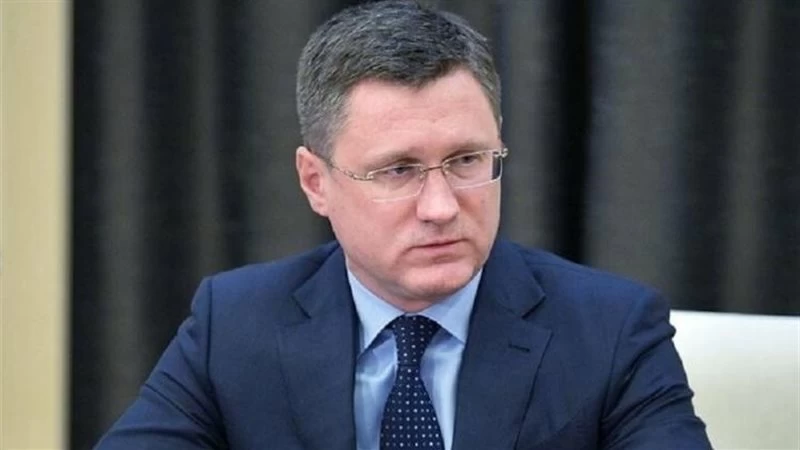
The Russian government has announced a decision to ban gasoline exports starting April 1, 2024, in a move aimed at addressing the increasing disruptions in the global oil market. Russian Deputy Prime Minister Alexander Novak confirmed that this decision comes amid significant fluctuations in oil prices, which have been directly affected by ongoing crises in the Middle East.
Novak explained that the rising demand for Russian energy resources in foreign markets remains a positive factor, despite the challenges facing the country. TASS reported that the ban will continue until July 31, 2026, reflecting the Russian government's concerns about the impact of global crises on the stability of the domestic market.
Details of the Ban
This step comes at a time when several regions in Russia, as well as parts of Ukraine under Russian control, are experiencing shortages of gasoline supplies. This shortage has arisen following Ukraine's escalation of attacks on Russian oil refineries, negatively impacting the country's ability to meet domestic market needs. The Russian government has reported that the volume of crude oil processing has remained at last year's levels, ensuring the stability of petroleum product supplies.
Last year, Russia exported approximately 5 million tons of gasoline, equivalent to about 117,000 barrels per day. However, the Russian government has imposed repeated restrictions on gasoline and diesel exports to curb rising fuel prices and address supply shortages.
Background & Context
Historically, Russia has experienced fluctuations in the oil market due to geopolitical crises, with Middle Eastern crises playing a pivotal role in influencing global oil prices. Since the onset of the conflict in Ukraine, pressures on Russia have increased, leading to a deterioration in energy supplies and rising prices in domestic markets.
These measures are part of the Russian government's strategy to cope with economic crises, as it seeks to protect the domestic market from global price fluctuations. This move also reflects the ongoing challenges Russia faces in maintaining stable energy supplies under current conditions.
Impact & Consequences
This ban on gasoline exports is expected to significantly impact the Russian economy, as many sectors rely on stable fuel supplies. Additionally, rising prices may exacerbate economic conditions in the country, increasing pressure on consumers.
On an international level, this move could lead to increased volatility in global oil prices, as other countries seek to compensate for the shortfall in Russian supplies. This situation may intensify competition among oil-exporting countries, affecting the stability of the global market.
Regional Significance
The Arab region is one of the largest oil producers in the world, and any changes in the global oil market could directly affect its economies. Under these circumstances, some Arab countries may benefit from rising oil prices due to the restrictions imposed on Russian exports.
However, these countries must be cautious of potential market fluctuations, as any deterioration in global economic conditions could negatively impact oil demand. Therefore, monitoring developments in the Russian market will be crucial for understanding future trends in the oil market.
In conclusion, this Russian step reflects the ongoing challenges the country faces amid global crises and underscores the importance of stability in the oil market for maintaining both local and global economies.