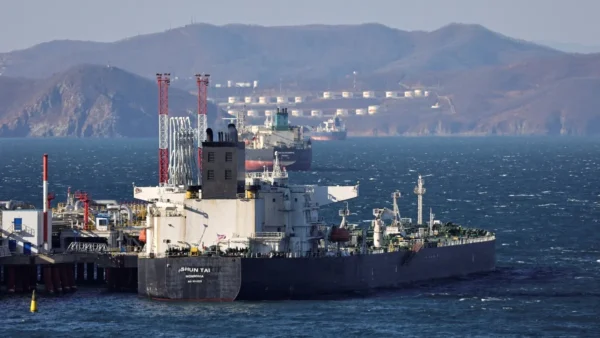
The Russian government has announced a ban on gasoline exports starting in April 2024, as part of its efforts to enhance the stability of the domestic market and ensure fuel availability for Russian consumers. This step comes at a sensitive time when global markets are experiencing significant fluctuations in energy prices, raising questions about the impact of this decision on international markets.
Russia, which is considered one of the largest oil producers in the world, seeks to protect its domestic markets from pressures arising from global crises. Russian officials have indicated that this decision aims to ensure the availability of gasoline at reasonable prices for local consumers, especially amid rising demand for fuel during the summer months.
Details of the Announcement
According to official data, Russia has seen a notable increase in gasoline consumption in recent years, prompting the government to take strict measures to meet local market needs. This decision follows a series of fuel price hikes that have affected Russian citizens, as the government aims to alleviate the financial burden on them.
The gasoline export ban may also impact some countries that rely on Russian imports, potentially leading to supply shortages and rising prices in global markets. Experts have pointed out that this decision could increase pressure on countries already facing high energy costs.
Background & Context
Historically, Russia has relied on its oil and gas exports as a primary source of revenue. However, changes in the global market, including sanctions imposed on Russia due to geopolitical conflicts, have led to a reassessment of its economic strategies. In recent years, the Russian government has attempted to boost domestic fuel consumption and reduce reliance on exports.
In 2022, Russia experienced a significant decline in its oil exports due to Western sanctions, prompting it to seek ways to compensate for this shortfall by strengthening the domestic market. This decision is part of this broader strategy.
Impact & Consequences
This decision is expected to have wide-ranging effects on global markets. The gasoline export ban could lead to price increases in countries that depend on Russian imports, potentially causing crises in some markets. Additionally, this decision may increase pressure on other producing countries to compensate for the supply shortfall.
Furthermore, this decision may provoke reactions from Western countries, which may view it as an unexpected move by Russia. This could escalate tensions between Russia and Western nations, potentially affecting future trade and political relations.
Regional Significance
For Arab countries, the ban on gasoline exports from Russia may open up new opportunities in the energy market. Oil-producing countries in the region could benefit from increased demand for fuel, which may lead to rising prices. Moreover, this decision could enhance the role of Arab countries as a primary energy supplier in global markets.
However, Arab countries must be cautious of the implications of this decision, as it may lead to increased tensions in global markets and affect their economic strategies. It is essential for Arab nations to monitor market developments and be prepared to adapt to any changes that may arise.
In conclusion, Russia's decision to ban gasoline exports represents a strategic step aimed at enhancing the stability of the domestic market, but it carries significant implications for global markets, warranting considerable attention from both producing and consuming nations alike.