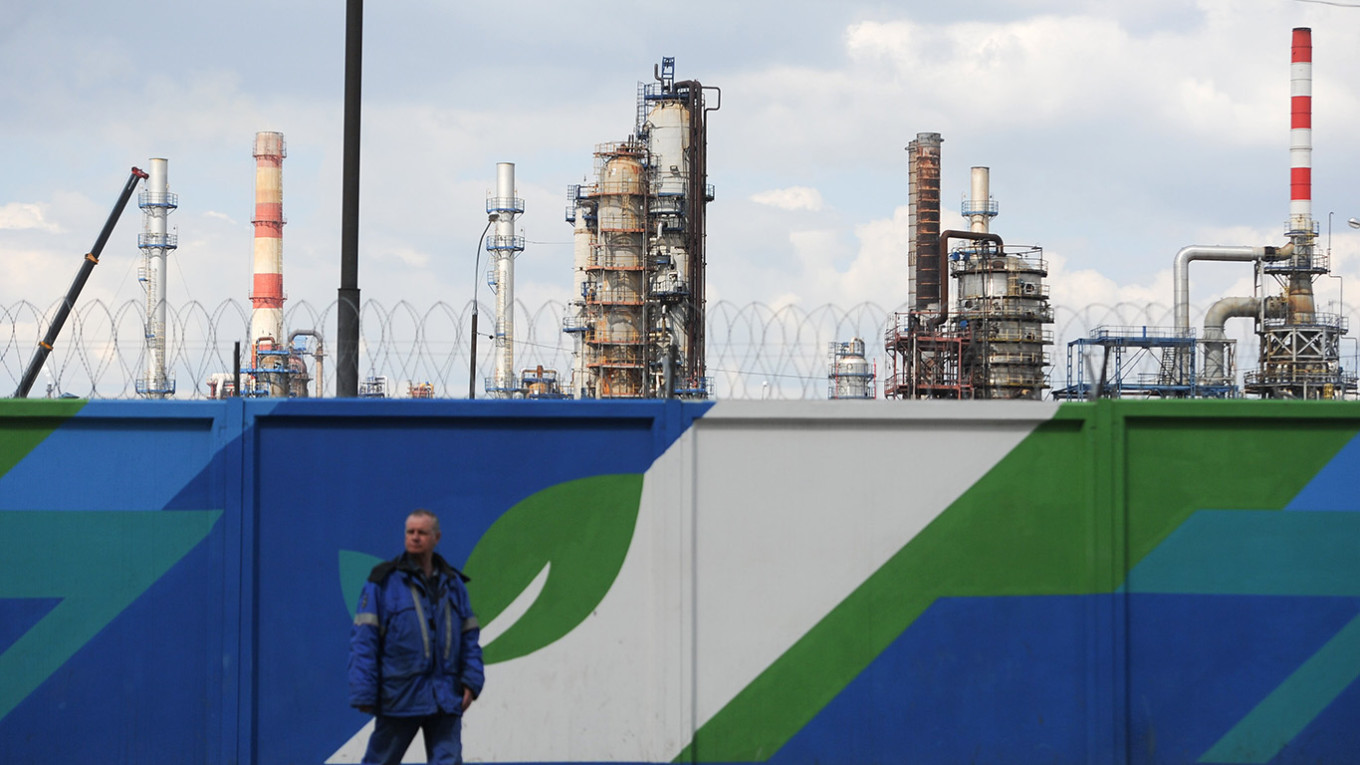
Russia has announced its decision to ban gasoline exports starting from early April, in a move aimed at enhancing the stability of local prices and ensuring supply in the domestic market. This decision comes at a time when global energy markets are experiencing sharp fluctuations due to the Israeli-American war on Iran.
This announcement was made in a statement from the Russian Cabinet following a meeting held on Friday, where the conditions of the local petroleum products market were discussed. Russian Deputy Prime Minister Alexander Novak emphasized the need for the Ministry of Energy to prepare a draft resolution to impose the gasoline export ban, indicating that this measure aims to stabilize prices and prevent unexpected increases.
Details of the Ban
Through this decision, Russia seeks to protect the domestic market from fluctuations that may arise from international crises. This ban comes at a time when global energy markets are witnessing rising prices due to ongoing conflicts in the region, particularly those related to Iran. These conflicts have significantly impacted oil and gas prices, leading to increased inflation levels in many countries.
On March 2, Iran announced restrictions on navigation in the Strait of Hormuz, threatening to attack any ships attempting to cross the strait without coordination. The Strait of Hormuz is a vital transit point through which approximately 20 million barrels of oil pass daily, resulting in increased shipping and insurance costs and rising oil prices, raising global economic concerns.
Background & Context
Since February 28, Israel and the United States have been waging a war against Iran, resulting in the deaths of hundreds, including Iranian Supreme Leader Ali Khamenei and other security officials. Iran has responded by launching missiles and drones towards Israel, targeting what it describes as American sites and interests in Arab countries. Some of these attacks have resulted in casualties, further escalating tensions in the region.
In light of these circumstances, the United States has taken steps to contain disruptions in global energy markets, issuing a temporary license allowing countries to purchase Russian oil shipments stranded at sea, in an attempt to alleviate pressures on global supplies. This license will permit the delivery and sale of Russian oil and petroleum products loaded onto ships before March 12, and will remain in effect until midnight on April 11 Washington time.
Impact & Consequences
The decision by Russia to ban gasoline exports is a strategic step aimed at protecting the domestic market from fluctuations resulting from international crises. This decision could significantly impact fuel prices in Russia, potentially increasing pressures on the Russian economy, especially amid rising global oil prices.
Additionally, this decision may affect countries that rely on Russian oil, potentially increasing tensions in trade relations. At the same time, it could lead to increased reliance on alternative energy sources in importing countries, which may alter the dynamics of the global energy market.
Regional Significance
This decision comes at a sensitive time for the Arab region, where many countries are suffering from the repercussions of ongoing conflicts in the Middle East. Rising oil prices may lead to increased inflation levels in Arab countries, impacting citizens' lives and increasing economic pressures.
Moreover, the escalation of tensions in the region could exacerbate economic crises in Arab countries, necessitating a swift and effective response from governments to address these challenges.
In conclusion, Russia's decision to ban gasoline exports represents an important step in the context of current crises, reflecting the significant challenges facing global energy markets amid ongoing conflicts.