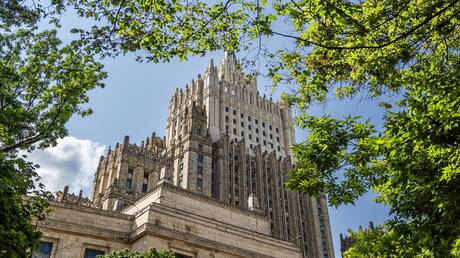
Russian Deputy Foreign Minister Georgy Borisенко emphasized the necessity of stopping US and Israeli operations against Iran, pointing out that these actions represent an obstacle to achieving peace and stability in the Gulf region. This statement was made during a press conference, where he noted that military escalation in the area threatens both regional and international security.
Borisенко added that the continuation of these operations intensifies tensions among the involved countries, negatively impacting the security situation in the Gulf. He stressed the importance of diplomatic dialogue as a means to resolve conflicts, urging all concerned parties to take tangible steps towards de-escalation.
Details of the Event
Borisensko's remarks come at a time when the Gulf is witnessing a notable escalation in military activities, with increasing US and Israeli maneuvers against Iran. Military reports have observed intensive naval and aerial movements in the region, raising concerns among many neighboring countries.
He also indicated that Russia is closely monitoring these developments and calls for the necessity of respecting the sovereignty of states and refraining from interfering in their internal affairs. He affirmed that any escalation in the region could lead to dire consequences for regional security.
Background & Context
Historically, relations between Iran and the United States have been marked by severe tensions since the Islamic Revolution in 1979. Since then, the United States has taken several steps against Iran, including imposing economic and military sanctions. In contrast, Iran seeks to enhance its influence in the region, which exacerbates tensions.
In recent years, Israeli military activities against Iran have increased, with Tel Aviv targeting Iranian nuclear facilities, considering them a threat to national security. These dynamics contribute to complicating the security landscape in the Gulf, necessitating intervention from major powers like Russia.
Impact & Consequences
The ongoing US-Israeli escalation against Iran could lead to large-scale military confrontation, affecting regional security and increasing the likelihood of armed conflicts. This escalation may also impact oil prices and financial markets, negatively influencing the global economy.
Moreover, military escalation could result in a greater influx of refugees into neighboring countries, increasing pressures on these nations and affecting their internal stability. Therefore, calls for de-escalation are deemed essential for maintaining regional security.
Regional Significance
Arab countries neighboring Iran, such as Iraq and Saudi Arabia, are among the most affected by the current tensions. Any military escalation could destabilize these nations, exacerbating the security and economic challenges they face.
Additionally, the escalation may affect relationships between Arab states and Iran, as some countries may lean towards strengthening their alliances with the United States in response to Iranian threats. Therefore, dialogue and understanding among all parties are crucial for achieving stability in the region.
In conclusion, the statements made by the Russian Deputy Foreign Minister reflect international concern over military escalation in the Gulf and emphasize the importance of dialogue as a means to resolve conflicts. Amid current tensions, hope remains pinned on diplomacy to achieve peace and stability in the region.